
Breaking into the bakery and pastry industry can be both exciting and challenging. Building the right experience not only sharpens your skills but also sets you apart in a competitive job market.
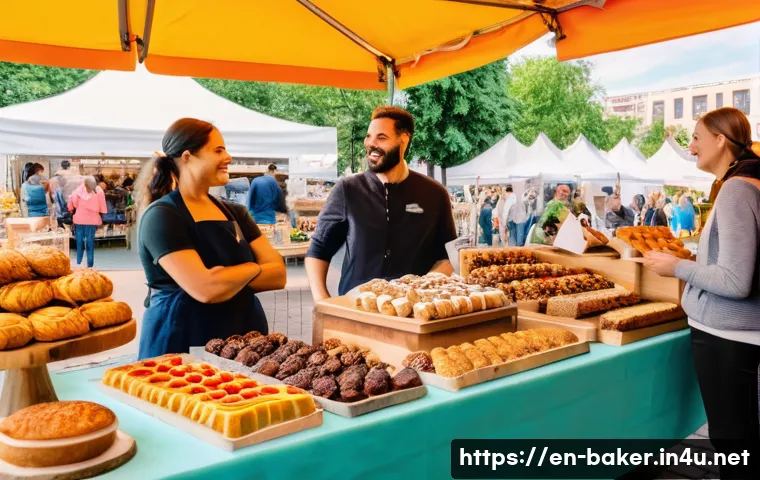
From mastering essential techniques to gaining hands-on experience in various bakery settings, your career journey shapes your opportunities. Networking and continuous learning also play a key role in landing your dream job.
If you’re serious about turning your passion into a profession, managing your career strategically is crucial. Let’s dive deeper to explore how you can effectively build your bakery career path!
Building Core Baking Skills Through Diverse Experiences
Exploring Different Bakery Environments
Working in various bakery settings—from artisan shops to large commercial bakeries—can dramatically enhance your understanding of the craft. Each environment offers unique challenges and learning opportunities.
For example, artisan bakeries often emphasize hand-crafted techniques and quality ingredients, pushing you to refine your precision and creativity. On the other hand, commercial bakeries focus on efficiency and volume, training you to work quickly without sacrificing consistency.
Experiencing this spectrum allows you to develop a versatile skill set that employers highly value. I personally found that shifting between these settings early in my career helped me adapt to different workflows and customer expectations seamlessly.
Mastering Foundational Techniques Before Specialty Skills
It’s tempting to jump straight into trendy pastry styles or elaborate cake decorating, but solidifying your foundational skills first is crucial. This includes mastering dough handling, fermentation control, and basic pastry creams.
These fundamentals are the backbone of any successful bakery product. When I started, dedicating time to perfecting croissants and sourdough bread dough taught me patience and attention to detail, which later made complex recipes more manageable.
Employers notice when you can consistently produce flawless basic items, which often leads to trust and more creative responsibilities.
Continuous Skill Improvement Through Practice and Feedback
The bakery world is incredibly hands-on, and real growth happens when you actively seek feedback and practice deliberately. Working alongside experienced bakers provides invaluable insights that no textbook can offer.
I remember a mentor pointing out subtle differences in dough texture that transformed my final product. Beyond the kitchen, attending workshops or online courses focused on new trends or techniques keeps your skills sharp.
The key is to stay curious and never settle, because baking trends and customer preferences evolve rapidly.
Navigating Industry Certifications and Education Paths
Evaluating Formal Baking Programs
Choosing whether to pursue formal education or learn on the job is a pivotal decision. Baking schools can provide structured learning, covering everything from food safety to advanced pastry techniques.
They often offer certification that can boost your resume, especially for high-end bakery or hotel positions. However, the cost and time commitment are considerable, so weigh these against your career goals.
I found that attending a reputable culinary school gave me a solid theoretical base and networking opportunities, but supplementing it with internships was essential for real-world experience.
Importance of Food Safety and Hygiene Certifications
In any food-related career, hygiene and safety certifications aren’t just formalities—they’re critical for career advancement. Many bakeries require certifications like ServSafe or local equivalents to ensure compliance with health regulations.
Holding these certifications shows professionalism and readiness to handle food responsibly. When I started applying for jobs, having my food handler’s card already in hand saved me from delays and gave me a slight edge over other candidates.
Balancing Self-Study with Formal Learning
Not all knowledge comes from classrooms or official courses. Many bakers advance their careers by self-teaching through books, videos, and experimenting at home.
This approach fosters creativity and personal style, which can distinguish you in a crowded job market. I used self-study to explore international pastry trends, which eventually helped me pitch unique product ideas during interviews.
Combining formal education with self-driven learning creates a well-rounded professional profile that employers appreciate.
Strategic Networking and Industry Connections
Leveraging Local Bakery Communities and Events
Engaging with your local bakery community can open doors you might never find through job boards. Attending industry meetups, farmers’ markets, or food festivals helps you meet experienced bakers, suppliers, and potential employers in a relaxed setting.
I recall striking up conversations at a local food fair that eventually led to a coveted apprenticeship. These face-to-face connections often lead to insider tips and job opportunities that aren’t publicly advertised.
Using Social Media to Showcase Your Work
In today’s digital age, your online presence can be as important as your in-person network. Posting your creations on platforms like Instagram or TikTok can attract attention from bakery owners and pastry chefs looking for fresh talent.
Consistently sharing high-quality photos and behind-the-scenes videos shows passion and dedication. When I started sharing my baking experiments online, I noticed bakery managers reaching out for collaborations or job inquiries, which was a game changer for expanding my professional reach.
Building Mentorship Relationships
Finding a mentor can accelerate your growth by providing personalized guidance and honest feedback. Mentors have been through the ups and downs of the industry and can help you avoid common pitfalls.
I was fortunate to have a mentor who encouraged me to pursue competitions and taught me how to handle high-pressure kitchen environments. These relationships require effort to build—show genuine interest, be reliable, and always express gratitude for their support.
Gaining Hands-On Experience Beyond the Kitchen
Understanding Bakery Operations and Management
Knowing how a bakery runs beyond baking itself can make you a more attractive candidate for leadership roles. This includes inventory management, supplier relations, customer service, and even marketing.
During my early career, volunteering to assist with stock orders and front-of-house tasks gave me a holistic view of business operations. This experience helped me communicate better with team members and anticipate challenges before they arose.
Participating in Competitions and Events
Competitions are a fantastic way to challenge yourself and gain visibility. They push you to innovate under pressure and receive feedback from judges who are industry experts.

When I entered a regional pastry contest, the experience boosted my confidence and expanded my network. Even if you don’t win, the exposure and learning from such events are invaluable for your professional growth.
Volunteering and Internships for Skill Expansion
Volunteering at charity bake sales or taking unpaid internships might not seem glamorous, but they can be stepping stones toward paid positions. These opportunities allow you to learn without the stress of full-time responsibility while building your resume.
I once interned at a high-end patisserie, and the skills I gained there directly led to my first salaried role. The key is to treat these experiences seriously and show commitment.
Tracking Career Progress and Setting Goals
Creating a Personal Skill Development Plan
A clear plan helps you stay focused and measure progress. Start by listing the skills you want to acquire and set realistic deadlines. I recommend revisiting your plan every few months to adjust based on new opportunities or interests.
For instance, if you realize you enjoy chocolate work more than bread baking, shift your goals accordingly. This flexibility keeps your career path aligned with your passion and market demand.
Documenting Your Achievements and Portfolio
Maintaining a portfolio of your work—whether photos, videos, or written descriptions—can impress employers and clients. This tangible proof of your abilities is far more persuasive than just a resume.
I keep a digital portfolio with before-and-after shots, competition entries, and client testimonials. Having this ready for interviews has often sparked meaningful conversations and set me apart from other candidates.
Seeking Feedback and Reflecting Regularly
Regular self-assessment and external feedback keep you honest about your strengths and areas for improvement. I schedule quarterly reviews with trusted colleagues or mentors to discuss my progress.
This habit has helped me identify gaps I might have missed and celebrate milestones, which is motivating. Embracing constructive criticism as a tool rather than a setback is vital for ongoing growth.
Understanding Market Trends and Consumer Preferences
Keeping Up with Dietary Trends and Innovations
The bakery industry is evolving with increasing demand for gluten-free, vegan, and low-sugar products. Staying informed about these trends allows you to adapt recipes and offer options that attract a broader customer base.
I experimented with gluten-free sourdough, which not only expanded my skills but also introduced me to a loyal niche market. Being proactive about trends shows employers that you’re forward-thinking and customer-oriented.
Analyzing Competitors and Local Market Needs
Understanding what nearby bakeries offer and what customers want can guide your career choices and product development. I once conducted informal surveys and visits to local bakeries to identify gaps in their offerings, which helped me propose new items to my employer that became best-sellers.
This strategic thinking is highly valued by bakery owners aiming to stay competitive.
Incorporating Seasonal and Cultural Influences
Bakeries that embrace seasonal ingredients or cultural celebrations often attract more customers and create unique selling points. Learning to craft products around holidays or local festivals can set you apart.
For example, mastering traditional holiday pastries or adapting recipes to incorporate seasonal fruits showed my versatility and respect for culinary heritage.
This sensitivity enhances both creativity and customer connection.
| Career Development Area | Key Activities | Benefits |
|---|---|---|
| Skill Building | Working in diverse bakery settings, mastering fundamentals, continuous practice | Versatile abilities, improved craftsmanship, employer trust |
| Education & Certification | Formal programs, food safety certifications, self-study | Professional credibility, compliance with regulations, expanded knowledge |
| Networking | Industry events, social media presence, mentorship | Job opportunities, insider knowledge, career guidance |
| Hands-On Experience | Operations exposure, competitions, internships | Business insight, confidence, practical skills |
| Career Planning | Skill development plans, portfolio creation, regular feedback | Goal alignment, professional growth, self-awareness |
| Market Awareness | Trend tracking, competitor analysis, seasonal product innovation | Customer relevance, product differentiation, increased sales |
글을 마치며
Building a successful baking career requires a blend of practical experience, formal education, and strategic networking. By continuously honing your skills and staying aware of market trends, you position yourself as a versatile and forward-thinking professional. Embracing both challenges and learning opportunities will not only improve your craft but also open doors to exciting career advancements. Remember, baking is as much about passion as it is about persistence and growth.
알아두면 쓸모 있는 정보
1. Gaining experience in different bakery environments helps you adapt quickly and build a broad skill set that employers value highly.
2. Mastering foundational baking techniques before moving on to specialty skills ensures consistency and builds confidence in your work.
3. Food safety certifications like ServSafe are essential for career progression and demonstrate professionalism in the industry.
4. Leveraging social media to showcase your baking creations can significantly expand your professional network and job opportunities.
5. Keeping track of evolving dietary trends and local market preferences allows you to innovate and cater to a wider range of customers.
핵심 포인트 요약
To thrive in the baking industry, focus on developing a strong foundation of skills through diverse hands-on experiences and continuous learning. Combining formal education with self-study and certifications enhances your credibility and marketability. Building genuine connections through networking and mentorship opens up valuable opportunities. Additionally, understanding the business side and staying ahead of market trends will help you stand out and achieve sustainable career growth. Consistent reflection and goal-setting keep your progress aligned with your passion and evolving industry demands.
Frequently Asked Questions (FAQ) 📖
Q: What are the essential skills I should focus on to start a career in bakery and pastry?
A: When starting out, mastering foundational skills like dough handling, proper mixing techniques, and temperature control is key. From my experience, understanding how ingredients interact and practicing consistently can make a huge difference.
Beyond technical skills, developing an eye for detail and creativity in presentation helps you stand out. Don’t overlook time management and teamwork either, as bakery environments often demand quick, coordinated efforts.
Q: How can I gain practical experience if I’m new to the bakery industry?
A: One of the best ways to build experience is through internships or entry-level positions at local bakeries or pastry shops. I found that even volunteering for seasonal events or assisting in small batch production gave me hands-on insights.
Also, consider enrolling in specialized baking courses or workshops where you can practice under professional guidance. Networking with industry pros and joining baking communities can open doors to apprenticeships or mentoring opportunities.
Q: How important is networking and continuous learning in advancing my bakery career?
A: Networking is absolutely vital. In my journey, connecting with fellow bakers, chefs, and suppliers provided not only job leads but also invaluable advice and support.
The bakery world thrives on relationships and word-of-mouth. Continuous learning keeps your skills fresh and introduces you to new trends, techniques, and equipment.
Attending industry events, reading trade magazines, and experimenting with recipes helped me stay competitive and inspired.