Diving into the world of baking can be both thrilling and challenging, especially when aiming to earn a professional certification on your own. From juggling work schedules to mastering complex recipes, self-studying for a baking license demands dedication and smart strategies.
I’ve walked this path myself, discovering tips and tricks that made the journey smoother and more rewarding. Whether you’re a passionate home baker or considering a career shift, understanding how to navigate the certification process independently is invaluable.
Let’s explore the key steps and insights that can help you succeed without a formal class. I’ll break down everything you need to know in the sections ahead!
Building a Solid Foundation with Essential Baking Knowledge
Understanding Ingredients and Their Roles
When I first started self-studying for my baking certification, I realized that knowing the ingredients wasn’t just about memorizing names but truly understanding their functions.
Flour, sugar, fats, leavening agents—each plays a crucial role in texture, flavor, and structure. For example, I learned that substituting one type of flour for another can dramatically affect the crumb of a cake or the chewiness of bread.
Experimenting in my own kitchen helped me grasp how hydration levels or fat content change outcomes. This foundational knowledge became my secret weapon, allowing me to adjust recipes confidently rather than just follow instructions blindly.
Mastering Basic Techniques Before Moving On
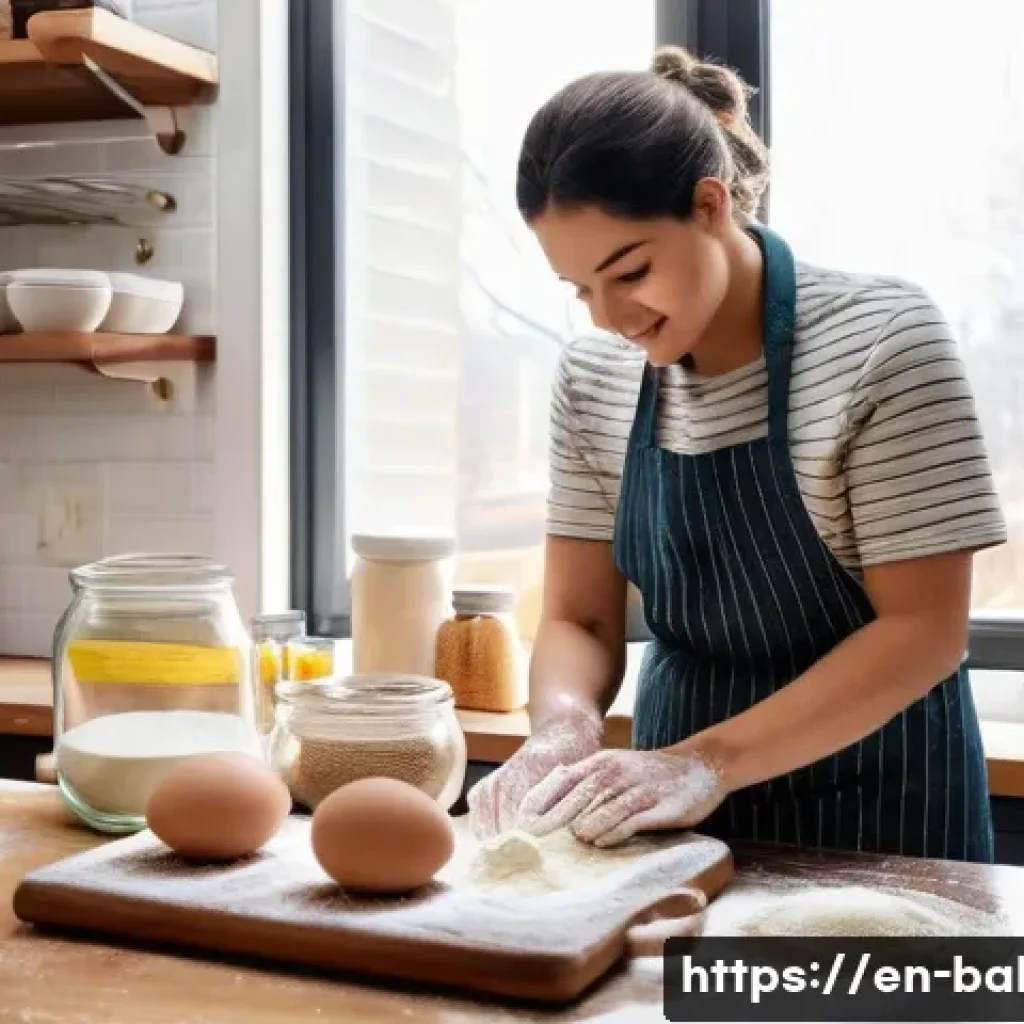
Jumping straight into complicated pastries can be tempting, but my experience taught me that mastering basics like kneading dough, folding batters, and temperature control is essential.
I spent weeks perfecting my bread dough texture, learning to identify when it was ready by feel and appearance, not just time. This tactile feedback is something no textbook can fully teach, so practicing repeatedly was key.
I also practiced piping techniques and egg foaming methods to build muscle memory. These small skills combined became the building blocks for tackling more complex recipes with confidence.
Utilizing Reliable Resources for Self-Study
Choosing the right study materials felt overwhelming at first, but I found success by mixing authoritative books, trusted online tutorials, and community forums.
I gravitated towards resources that explained the science behind baking, not just recipes, which helped deepen my understanding. Watching video demonstrations was a game-changer, especially for visualizing techniques like laminating dough or tempering chocolate.
Additionally, engaging with fellow bakers online provided practical tips and moral support during challenging moments. Curating a personalized study toolkit made learning both effective and enjoyable.
Effective Time Management for Solo Certification Prep
Creating a Realistic Study Schedule
Balancing a full-time job while preparing for my baking license required a well-structured plan. I started by breaking down the syllabus into manageable chunks and assigning specific topics to each week.
I kept evenings and weekends dedicated to hands-on practice, because baking is a skill best learned by doing, not just reading. This approach prevented burnout and kept my progress consistent.
I also allowed some buffer days for review or unexpected delays, which helped me stay flexible without losing momentum.
Incorporating Practical Baking Sessions
Theory alone won’t get you certified, so I made sure every study session included actual baking. I set mini-goals like perfecting a sourdough loaf or mastering French macarons, then analyzed the results critically.
Sometimes I failed spectacularly, but those failures taught me more than success ever did. Recording my experiments in a baking journal helped me track improvements and troubleshoot recurring issues.
This practical focus kept me engaged and made the whole process feel less like studying and more like a creative adventure.
Balancing Rest and Focus
One mistake I almost made was pushing myself too hard without breaks. Baking demands both physical and mental energy, so I scheduled regular rest days and lighter study periods.
On those days, I’d watch baking documentaries or read food science articles just to stay connected without pressure. This balance prevented overwhelm and kept my enthusiasm alive throughout the months of preparation.
Hands-On Techniques That Made a Difference
Perfecting Dough Handling and Shaping
Handling dough properly is an art in itself. I discovered that the way you knead, shape, and proof dough directly impacts the final product’s texture and appearance.
For instance, I learned to listen to the dough’s feel—whether it’s too sticky, too dry, or perfectly elastic. Shaping techniques like forming tight rolls or scoring bread required patience and practice, which I gained through repetitive baking sessions.
This tactile experience was invaluable during the practical exam and everyday baking.
Controlling Oven Temperatures and Baking Times
Oven accuracy can make or break your bake. I invested in a reliable oven thermometer and learned to adjust baking times based on altitude, pan type, and recipe variations.
Sometimes my first attempts were underbaked or overly browned, but tweaking temperature settings and rotating trays mid-bake helped me achieve consistent results.
Understanding how my specific oven behaved gave me an edge, especially during timed practical tests where precision matters.
Decorating and Finishing Touches
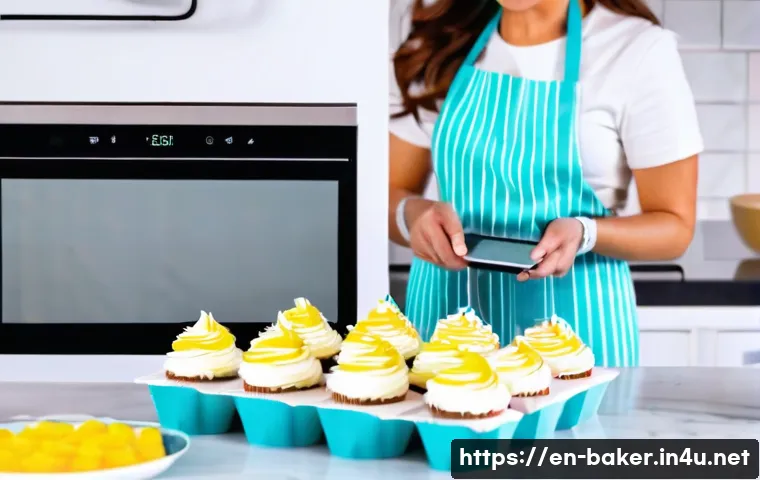
Beyond baking, presentation matters a lot, especially for certification standards. I practiced piping buttercream, glazing, and dusting with powdered sugar to elevate the appearance of my creations.
Learning simple decorating tricks boosted my confidence and made my bakes look professional. I even filmed myself practicing to critique my technique, which helped me identify small improvements like smoother piping lines or more even frosting layers.
Leveraging Technology and Community Support
Using Apps and Online Tools for Recipe Management
I found digital tools like recipe organizers and timers super helpful for streamlining my study process. Apps allowed me to tweak ingredient ratios on the fly and save notes for each bake.
This made it easy to replicate successful bakes or adjust based on previous feedback. Having everything in one place kept me organized and reduced the stress of juggling multiple recipes or techniques.
Engaging with Online Baking Communities
Joining baking forums and social media groups introduced me to a world of shared experiences and advice. When I hit roadblocks, fellow bakers often shared quick fixes or alternative methods that saved my bake.
These communities also kept me motivated by celebrating small wins and offering encouragement, which was crucial during moments of doubt. The sense of belonging to a supportive network made my self-study journey less lonely and more enriching.
Accessing Virtual Workshops and Tutorials
While I didn’t attend formal classes, I invested in several online workshops that offered deep dives into specific skills like sourdough or pastry lamination.
These sessions provided expert insights and allowed me to ask questions in real time, which bridged the gap between solo study and classroom learning.
The flexibility to learn at my own pace from home was a huge advantage, and revisiting recorded lessons helped reinforce tricky concepts.
Preparing for the Certification Exam with Confidence
Simulating Exam Conditions at Home
To get comfortable with the pressure of the certification exam, I simulated test conditions by timing myself and following exam guidelines strictly. This practice helped me manage time effectively and reduce anxiety on the real day.
I created a checklist of must-have skills and baked those recipes repeatedly until they became second nature. This approach not only improved my technical skills but also built mental resilience.
Reviewing Theory and Practical Components Thoroughly
Balancing theoretical knowledge with practical skills was essential. I reviewed food safety regulations, ingredient functions, and baking science regularly to ensure I could answer written questions confidently.
At the same time, I practiced key techniques until I could perform them flawlessly. This dual focus gave me peace of mind that I was well-rounded and ready for all parts of the exam.
Gathering Feedback and Adjusting Techniques
Before the exam, I invited experienced bakers to taste my creations and provide honest feedback. Their insights helped me refine flavor profiles, texture, and presentation.
Sometimes their critiques challenged me to rethink my approach, but that growth was invaluable. Incorporating this feedback made me feel more prepared and confident walking into the exam room.
Tracking Progress and Staying Motivated Throughout the Journey
Setting Milestones and Celebrating Achievements
Breaking the long journey into smaller milestones helped me stay motivated. Every time I mastered a new technique or passed a mock test, I rewarded myself with something simple—a new baking tool or a favorite treat.
These celebrations kept my spirits high and reminded me that progress, no matter how small, was worth acknowledging.
Keeping a Detailed Baking Journal
Documenting every bake, including successes and failures, was a game-changer. My journal included notes on ingredient substitutions, timing adjustments, and personal reflections.
Reviewing these entries helped me spot patterns and avoid repeating mistakes. This habit also made my study more intentional and less haphazard, which I believe contributed significantly to my success.
Maintaining a Positive Mindset Through Challenges
Baking certification prep isn’t always smooth sailing. I faced moments of frustration and self-doubt, but reminding myself why I started kept me going.
I focused on progress rather than perfection and embraced mistakes as learning opportunities. Surrounding myself with supportive friends and online communities also helped me maintain a positive outlook, which I believe is just as important as technical skills.
| Aspect | Strategy | Benefit |
|---|---|---|
| Ingredient Knowledge | Experiment with substitutions and functions | Builds confidence and recipe adaptability |
| Time Management | Structured weekly schedule with practice sessions | Prevents burnout and ensures steady progress |
| Practical Skills | Repeated hands-on baking with journaling | Improves technique and troubleshooting ability |
| Community Support | Engage in forums and online workshops | Provides motivation and expert insights |
| Exam Preparation | Simulate exam conditions and gather feedback | Reduces anxiety and refines skills |
Conclusion
Building a strong foundation in baking takes time, patience, and consistent practice. By understanding ingredients, mastering essential techniques, and leveraging community support, anyone can prepare confidently for certification. Remember, every mistake is a stepping stone to success, and staying motivated makes the journey enjoyable. With dedication and the right approach, achieving your baking goals is truly within reach.
Useful Information to Keep in Mind
1. Experimenting with ingredient substitutions helps you adapt recipes and develop a deeper understanding of baking chemistry.
2. Structuring your study schedule around realistic goals prevents burnout and maintains steady progress over time.
3. Hands-on practice combined with journaling your results sharpens your skills and helps troubleshoot issues effectively.
4. Engaging with online baking communities provides valuable advice, motivation, and a sense of connection during solo study.
5. Simulating exam conditions and seeking feedback refines both your technical ability and your confidence under pressure.
Key Takeaways for Success
Consistent practice and a solid grasp of ingredient functions are essential for baking mastery. Time management should balance study, practice, and rest to sustain enthusiasm and prevent fatigue. Leveraging technology and community support enriches learning and problem-solving. Finally, preparing for exams through realistic simulations and constructive feedback builds the confidence needed to perform at your best. Embracing these principles will set you up for lasting success in your baking certification journey.
Frequently Asked Questions (FAQ) 📖
Q: How can I effectively prepare for a professional baking certification on my own without attending formal classes?
A: Preparing for a baking certification independently requires a structured approach. Start by thoroughly researching the certification requirements and exam format.
Gather reputable resources such as baking textbooks, online tutorials, and video demonstrations from experienced bakers. Practice consistently, focusing on key skills like dough handling, cake decorating, and ingredient knowledge.
Time management is crucial—set a study schedule that fits around your daily commitments. Also, consider joining online baking communities or forums to exchange tips and get feedback.
Personally, I found that recreating professional recipes at home and recording my progress helped me identify areas needing improvement, making my study sessions more productive.
Q: What are some common challenges faced during self-study for baking certification, and how can I overcome them?
A: One of the biggest challenges is staying motivated without the structure of a classroom setting. It’s easy to procrastinate or feel overwhelmed by the volume of material.
To overcome this, break your study goals into smaller, manageable tasks and celebrate small wins along the way. Another hurdle is mastering practical skills without direct instructor feedback.
In this case, filming your baking process and comparing it to professional tutorials can highlight mistakes. If possible, seek out local workshops or short courses for hands-on experience, even if they’re not part of the certification.
I also recommend keeping a detailed baking journal—it’s a great way to track what works and what doesn’t, which deepens your understanding over time.
Q: How important is hands-on practice compared to theoretical knowledge when studying for a baking license independently?
A: Hands-on practice is absolutely critical and often outweighs theoretical knowledge in baking certifications. Baking is a craft where texture, timing, and technique matter just as much as knowing ingredients and recipes.
While theoretical study builds a solid foundation—like understanding chemical reactions in baking or safety standards—nothing replaces the muscle memory and intuition developed through actual baking.
From my experience, spending time experimenting with different dough consistencies or decorating techniques made me more confident during the practical exam.
Balancing both theory and practice is ideal, but if you have to prioritize, lean heavily into hands-on experience.