
Hey, my wonderful baking buddies! It’s me, your go-to kitchen confidante, ready to tackle those persistent baking mysteries that keep us up at night. Seriously, who hasn’t stared into a deflated cake or a stubbornly flat loaf, wondering where it all went wrong?
I know I have, and after countless hours (and maybe a few tears over burnt cookies!), I’ve learned that sometimes, the simplest answers are the most profound.
From the rise of complex sourdough techniques to perfecting gluten-free delights that actually taste good, the world of baking is constantly evolving, throwing new challenges our way.
But fear not! This isn’t just about recipes; it’s about understanding the ‘why’ behind the ‘what,’ especially when it comes to those niggling questions we all have.
I’ve rolled up my sleeves, dusted off my apron, and compiled a treasure trove of insights from my own kitchen adventures and the latest buzz in the baking community.
We’re talking about everything from why your chocolate chips sink to the secret behind that perfectly flaky pie crust. Let’s find out exactly how to master your baking game and conquer those common conundrums!
Why Your Cakes Are Crumbly (And How to Fix It!)
Oh, the heartbreak of a beautiful cake that just falls apart when you try to slice it! I’ve been there more times than I care to admit, standing over a plate of sad, broken crumbs, wondering where I went wrong. It feels like a betrayal, doesn’t it? After all that effort, mixing, baking, and the anticipation! From my own kitchen mishaps and countless hours experimenting, I’ve learned that crummy cakes often boil down to a few surprisingly common culprits that are totally fixable. It’s usually not a sign you’re a bad baker, but rather a little tweak needed in your technique or ingredients. Trust me, I’ve seen some pretty experienced bakers make these same mistakes, so you’re in good company. Let’s dive into the core reasons why your cakes might be giving you the cold shoulder and how we can turn those crumbles into masterpieces.
The Role of Fats and Liquids in Crumb Structure
One of the biggest lessons I’ve learned about cake texture is just how crucial the balance of fats and liquids is. Think of it like this: fat provides tenderness and moisture, while liquids hydrate the dry ingredients and help create that beautiful, delicate crumb. If your cake is too dry or crumbly, often it’s a sign of insufficient fat or liquid, or perhaps an imbalance between them. I remember one disastrous red velvet cake where I accidentally cut back on the buttermilk, thinking I was being clever. The result? A brick, not a cake! You want enough fat, like butter or oil, to coat those flour particles, preventing too much gluten development and keeping things moist. Too little, and your cake can end up dry and brittle. On the flip side, too much flour for the amount of liquid will also lead to dryness. Pay close attention to your recipe’s ratios; they’re there for a reason, and trust your gut – if the batter looks exceptionally thick or dry, it might need a tiny splash more liquid, assuming you haven’t drastically altered the recipe.
Don’t Overmix, Darling! The Gluten Trap
This is probably the most common advice you’ll hear in baking, and for good reason: overmixing is a crumb killer! When you mix flour with liquid, gluten starts to develop. In bread baking, we *want* that strong gluten network for chewiness. But in cakes? Not so much. We’re aiming for tenderness, a soft, melt-in-your-mouth texture. When I first started out, I used to think more mixing meant a smoother batter, but oh, was I wrong! Overmixing toughens the gluten, leading to a cake that’s dense, chewy, and, you guessed it, crumbly. My personal rule of thumb now is to mix the wet and dry ingredients just until combined, and then stop. A few small lumps are perfectly fine and will usually bake out. It’s about patience and a light hand. For instance, when adding dry ingredients to wet, I’ll often just fold them in gently with a spatula, rather than cranking up the mixer. It makes a huge difference, I promise you.
The Mystery of the Sinking Chocolate Chips and Fruit
There’s nothing quite like the disappointment of slicing into a supposedly chocolate chip-laden muffin or fruit-studded cake, only to find all the delicious bits have staged a mass exodus to the bottom. It’s like they’ve decided to form their own little club down there, leaving the top half feeling incredibly sparse. I’ve certainly had my share of these gravitational mysteries in the kitchen, and for a long time, I just figured it was part of the baking lottery. But after a bit of digging, experimenting, and, frankly, some very sad-looking baked goods, I’ve cracked the code! It turns out there are a couple of super simple tricks that can prevent your delightful additions from taking an unwanted submarine journey. You don’t need fancy equipment or a magic wand; just a slight adjustment in how you handle those tempting morsels.
A Light Dusting Does Wonders for Even Distribution
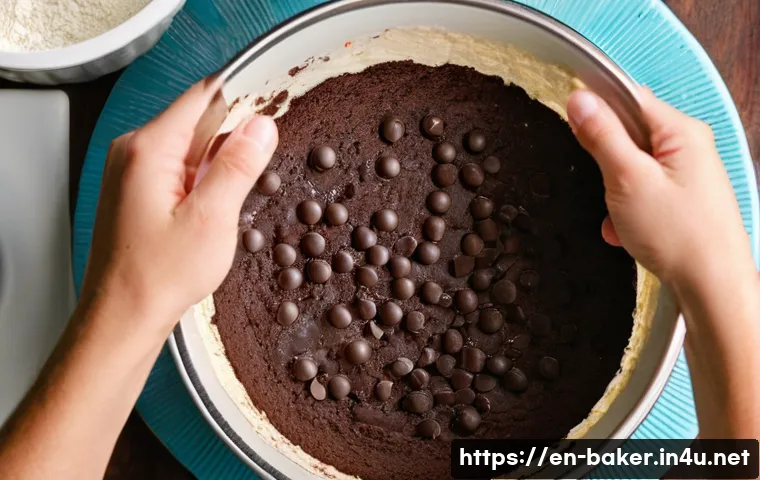
This trick is a total game-changer, and it’s so easy, you’ll wonder why you never thought of it! The main reason those chocolate chips or berries sink is that they’re denser than your batter. To give them a fighting chance, a quick pre-coating with a bit of flour or cocoa powder works wonders. Before adding your chips or fruit to the batter, toss them with a tablespoon or two of the dry ingredient you’re using in your recipe (flour for most things, cocoa powder if it’s a chocolate batter). This creates a light barrier that helps them suspend more evenly throughout the batter. I first learned this trick from an old baking show, and I was skeptical, but after trying it with a batch of blueberry muffins that always had a “blueberry bottom,” I was instantly converted. The blueberries stayed perfectly distributed! It’s such a small step, but the visual and textural improvement is immense. Just be sure not to overdo the dusting – a light coating is all you need.
Temperature Matters More Than You Think
Another often-overlooked factor in preventing sinkage is the temperature of your ingredients, particularly if you’re using frozen fruit. While it might seem convenient to toss frozen berries straight into your batter, doing so can actually contribute to them sinking. As the frozen fruit thaws in the warm batter, it releases moisture and becomes heavier, making it more prone to dropping to the bottom. My personal discovery with this came from a batch of raspberry loaves; the frozen raspberries just *vanished* downwards! What I’ve found works best is to let your frozen fruit thaw slightly and then pat it dry with a paper towel before coating it in flour. This removes excess surface moisture, making them less likely to release water into the batter and drag themselves down. For chocolate chips, ensure your batter isn’t overly thin; a thicker batter provides more resistance, helping those chips stay put. If your batter is very thin, chilling it slightly before adding the chips can also help.
Achieving That Perfect Golden-Brown Crust Every Time
Who doesn’t adore a perfectly golden-brown crust? Whether it’s on a rustic loaf of bread, a batch of fluffy dinner rolls, or a beautifully baked pie, that rich, inviting color isn’t just for show. It speaks volumes about flavor, texture, and proper baking. For years, I struggled with pale, sad-looking crusts, wondering how all those bakers on TV achieved such gorgeous results. My baked goods often looked a bit anemic, and I just couldn’t figure out the magic. But through trial and error, I’ve discovered that getting that enviable golden hue is less about luck and more about understanding a few key principles. It’s truly one of those details that elevate your baking from good to absolutely glorious. Let’s unlock the secrets to a crust that’s not just beautiful, but also incredibly delicious.
Sugar’s Browning Power in Your Baked Goods
One of the unsung heroes in the quest for golden-brown deliciousness is sugar. You might think of sugar primarily for sweetness, but in baking, it plays a vital role in browning, thanks to a process called caramelization and the Maillard reaction. When sugars in your dough or batter are exposed to heat, they begin to caramelize, developing those rich, complex flavors and, most importantly, that beautiful golden-brown color. I once tried to reduce sugar in a brioche recipe thinking it wouldn’t make a difference to the crust, and boy, was I wrong! The bread was delicious but remarkably pale. So, if your crusts are consistently lacking color, take a look at the sugar content in your recipe. A little sugar goes a long way in promoting that desirable browning. This isn’t just about granulated sugar; even natural sugars present in flour contribute. Ensuring an adequate amount of sugar in your recipe, and properly mixing it, is fundamental for achieving that coveted golden finish. It’s a sweet secret to a stunning crust!
The Magic of Egg Washes and Milk Brushes
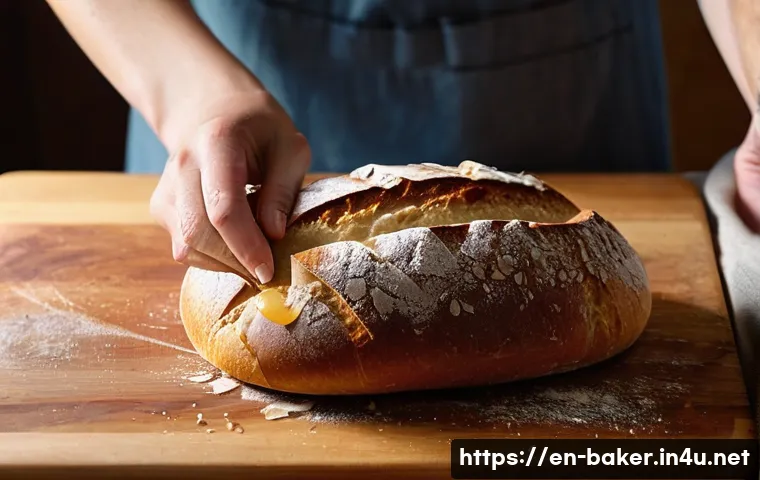
Beyond the ingredients within your dough, what you put *on* the surface before baking can make an enormous difference in crust appearance. This is where egg washes and milk brushes come into play, and they are total game-changers! An egg wash, typically made from a whisked egg (sometimes diluted with a bit of water or milk), provides a protein and sugar rich coating that, when baked, caramelizes beautifully and gives a glossy, deep golden finish. I swear by an egg wash for my croissants and braided challah bread – the shine and color are just unparalleled. For a slightly softer, less shiny, but still lovely golden crust, a simple milk wash (just brushing with milk before baking) works wonderfully, especially on rolls or rustic loaves. For an extra dark, super crispy crust on breads, a water mist or a steam oven can work wonders. Experiment to see what works best for your specific bake. It’s amazing how a simple brush of liquid can transform the visual appeal of your creations.
Demystifying Yeast: Getting Your Breads to Rise Beautifully
Ah, yeast! The tiny, living marvel that breathes life into our breads, transforming humble flour and water into something airy, chewy, and utterly irresistible. For many home bakers, myself included when I first started, yeast can feel a bit intimidating, shrouded in mystery. Will it activate? Will it rise? Is my water too hot, too cold? These questions used to plague me, leading to flat, dense loaves that were more doorstop than dinner. I’ve learned that understanding yeast isn’t about being a scientist; it’s about being a good host. Give it the right environment, and it’ll do its job beautifully. The joy of pulling a perfectly risen, fragrant loaf from the oven is truly one of the most rewarding experiences in baking, and it all starts with happy yeast. Let’s take the guesswork out of working with this amazing ingredient so you can bake with confidence.
Waking Up Your Yeast: The Perfect Temperature and Food
Think of yeast as tiny, sleepy organisms that need to be gently woken up and fed. They thrive in a warm, but not too hot, environment and love a little sugar to munch on. The ideal water temperature for activating most active dry yeast is around 105-115°F (40-46°C). If it’s too cold, the yeast will be sluggish and might not activate properly. Too hot, and you’ll kill them – a very common rookie mistake I made more than once! I use a kitchen thermometer religiously now; it removes all the guesswork. A pinch of sugar (just a teaspoon or so) added to the warm water gives the yeast an immediate food source, and you’ll see it get nice and foamy within 5-10 minutes, indicating it’s active and ready to work. If you don’t see that foamy action, your yeast might be old or dead, and it’s best to start fresh. This simple “proofing” step has saved me so much frustration!
Proofing Perfection: Patience is Key to a Beautiful Rise
Once your yeast is active and incorporated into your dough, the next critical step is proofing, which is essentially letting the dough rise. This is where patience truly becomes a virtue. Rushing the proofing process is a surefire way to end up with dense bread. Yeast needs time to ferment, produce carbon dioxide, and create those wonderful air pockets that give bread its light texture. The ideal proofing environment is a warm, draft-free spot. I often use my oven with just the light on, or a warm spot on my counter. Don’t just rely on time; learn to trust your eyes. The dough should roughly double in size and pass the “poke test” – gently press a floured finger into the dough; if the indentation springs back slowly, it’s ready. If it springs back immediately, it needs more time. If it collapses, it’s over-proofed. It’s a delicate balance, but with practice, you’ll develop an intuitive feel for it.
Sticky Situations: Preventing Dough from Sticking to Everything
Isn’t it infuriating when your perfectly mixed dough decides to stage a sticky rebellion, clinging to your hands, the counter, and every single utensil? It’s a mess-maker’s nightmare and can turn an otherwise joyful baking session into a frustrating clean-up operation. I’ve battled countless sticky doughs in my time, from overly hydrated pizza doughs to notoriously clingy cookie batters, and it always leaves me feeling a bit defeated. But fear not, my friends! There are tried-and-true strategies to tackle these sticky situations head-on, allowing you to handle your dough with confidence and keep your kitchen (mostly) clean. It’s about understanding the nature of dough and having the right approach. Let’s make those sticky encounters a thing of the past and reclaim our baking bliss!
Flour Power, But Not Too Much Though!
The first instinct when encountering sticky dough is usually to add more flour, and while a little can certainly help, it’s a fine line! Over-flouring your dough can quickly lead to a dry, tough, and crumbly end product, completely defeating the purpose of your bake. I’ve been guilty of this myself, frantically dusting my counter until the dough was no longer sticky but also no longer a joy to eat. The trick is judicious use. For kneading, a lightly floured surface is essential, but only enough to prevent sticking. Instead of constantly adding flour, try using a bench scraper to help lift and turn the dough. For particularly wet doughs, like some artisan bread doughs, a light oiling of your hands and the counter can be more effective than flour. It creates a barrier without altering the dough’s hydration. It’s all about finding that sweet spot where the dough is manageable without becoming dry and dense.
The Right Tools and Techniques for the Job
Sometimes, the stickiness isn’t just about the dough itself, but how you’re interacting with it. Using the right tools can make a monumental difference. A good quality silicone spatula is invaluable for scraping down bowls and handling sticky batters without everything clinging to it. For kneading bread dough, a sturdy bench scraper isn’t just for dividing; it’s excellent for keeping the dough moving and preventing it from permanently bonding with your countertop. I also swear by well-oiled hands for handling high-hydration doughs – it allows you to gently manipulate the dough without it becoming a second skin. Another technique I’ve found incredibly useful is the “stretch and fold” method for very wet doughs, which builds gluten strength without extensive messy kneading. Instead of fighting the stickiness, learn to work with it using these clever tools and techniques. You’ll be amazed at how much cleaner and easier your baking sessions become.
The Truth About Oven Temperatures: Your Secret Weapon
Our ovens are truly the unsung heroes of our kitchens, performing silent miracles as they transform raw ingredients into delectable treats. Yet, how many of us truly *know* our ovens? I used to just blindly trust the dial, setting it to 350°F and hoping for the best. The result? Sometimes a perfectly golden cake, other times a burnt offering, or a pale, underbaked disaster. It felt like a game of Russian roulette with my precious ingredients! But over the years, I’ve learned that understanding and mastering your oven’s true temperature is one of the most powerful tools in a baker’s arsenal. It’s not just about setting the temperature; it’s about consistent, accurate heat. This revelation changed my baking game entirely, turning inconsistent results into reliable successes. Let’s pull back the curtain on oven temperatures and ensure your bakes are always perfectly cooked.
Know Your Oven’s Personality: Get an Oven Thermometer!
Here’s a confession: for years, I didn’t own an oven thermometer. I thought my oven’s built-in gauge was perfectly accurate. Big mistake! Most oven thermostats can be off by as much as 25-50°F (15-30°C), and sometimes even more. Imagine setting your oven to 350°F, but it’s actually baking at 325°F or, worse, 375°F! That slight discrepancy can mean the difference between a perfectly baked cookie and a burnt puck, or a light cake and a dense brick. My most important baking tip, one that has truly transformed my results, is to invest in a simple, inexpensive oven thermometer. Keep it in your oven always. This little device will tell you the *true* temperature of your oven, allowing you to adjust your dial accordingly. For example, if your thermometer reads 325°F when your dial is at 350°F, you know to set your dial higher next time. It’s like having a secret spy giving you accurate intel.
Preheating is Non-Negotiable for Consistent Baking
How many times have you been tempted to pop your cookies or cake into the oven while it’s still preheating, thinking “it’ll get there eventually”? I’ve done it, and I’ve regretted it every single time. Preheating isn’t just a suggestion; it’s absolutely essential for consistent baking results. When you put an item into a cold or partially preheated oven, it throws off the entire baking timeline and temperature curve. The initial blast of heat is crucial for activating leavening agents, setting the crust, and achieving proper rise and texture. Without it, your baked goods can spread too much, become dense, or bake unevenly. Always allow your oven to fully preheat, and then give it an extra 10-15 minutes after the preheat indicator goes off to ensure the internal temperature is truly stable. My golden rule is to always preheat the oven *before* I even start mixing my batter, giving it ample time to reach and stabilize at the desired temperature. Trust me, that extra waiting time is worth it for perfect results.
Unlocking the Flaky Pastry Dream: Pies and Tarts Perfected
Ah, flaky pastry! The holy grail of pie and tart making. That delicate, shatteringly crisp texture that just melts in your mouth – it’s what separates a good pie from an absolutely unforgettable one. For years, my pastry efforts resulted in tough, crumbly, or soggy crusts, leaving me utterly bewildered. I’d watch baking shows with bakers effortlessly rolling out perfect sheets of dough, and I’d wonder if there was some secret handshake I was missing. It felt like an impossible dream to achieve that perfect flakiness myself. But after countless pounds of butter and many, many attempts, I’ve finally cracked the code on what truly makes pastry sing. It’s less about brute strength and more about gentle handling and understanding a few crucial scientific principles. You, too, can create pastry that will make everyone swoon. Let’s dive into the core principles of achieving that ethereal flakiness!
Cold Butter is Your Best Friend for Flaky Layers
If there’s one single piece of advice I could give you for achieving flaky pastry, it would be this: keep your butter COLD! I cannot stress this enough. Cold butter is the absolute cornerstone of flaky pastry. Here’s why: when you cut cold butter into flour, it creates little pockets of butter throughout the dough. As the pastry bakes, these tiny pieces of cold butter melt, releasing steam. That steam then puffs up, creating those glorious, distinct layers that define a truly flaky crust. If your butter is too warm, it melts into the flour too readily, resulting in a dense, tough, or crumbly dough instead of those beautiful layers. I’ve even started freezing my butter and grating it directly into the flour for some recipes, which really helps keep it cold and creates super small, evenly distributed pieces. It’s a bit of extra effort, but the difference in flakiness is honestly mind-blowing. Work quickly, and if your kitchen is warm, chill your flour and even your mixing bowl too!
The Art of the Roll-Out: Gentle Handling and Even Thickness
Once you’ve nailed the cold butter, the next crucial step in achieving flaky pastry is how you handle and roll out your dough. Many people, including my past self, tend to overwork pastry dough, especially when it feels a bit stubborn. However, excessive handling and heavy-handed rolling develop gluten, which is the enemy of flakiness and the friend of toughness. Your goal is to roll out the dough as quickly and gently as possible, using even pressure. Aim for an even thickness across the entire sheet of pastry; thin spots will cook faster and become brittle, while thick spots will remain raw or dense. I also find it helpful to turn the dough frequently as I roll, dusting lightly with flour only if absolutely necessary, to prevent sticking and ensure even expansion. Avoid stretching the dough, as this can cause it to shrink back during baking. Think of it as coaxing the dough, rather than forcing it, into submission. The more you practice, the more intuitive this gentle art becomes.
| Baking Challenge | Common Culprit | Quick Fix Tip |
|---|---|---|
| Crumbly Cake | Too little fat/liquid or overmixing | Ensure proper ratios; mix until *just* combined |
| Sinking Inclusions | Density difference; warm/wet additions | Lightly flour chips/fruit; pat frozen fruit dry |
| Pale Crust | Insufficient sugar or no surface treatment | Check sugar content; use egg/milk wash |
| Flat Bread | Inactive yeast or improper proofing | Proof yeast at correct temperature; allow full rise |
| Sticky Dough | Too much hydration; lack of technique | Use minimal flour; oil hands/scraper; use stretch & fold |
Demystifying Yeast: Getting Your Breads to Rise Beautifully
Ah, yeast! The tiny, living marvel that breathes life into our breads, transforming humble flour and water into something airy, chewy, and utterly irresistible. For many home bakers, myself included when I first started, yeast can feel a bit intimidating, shrouded in mystery. Will it activate? Will it rise? Is my water too hot, too cold? These questions used to plague me, leading to flat, dense loaves that were more doorstop than dinner. I’ve learned that understanding yeast isn’t about being a scientist; it’s about being a good host. Give it the right environment, and it’ll do its job beautifully. The joy of pulling a perfectly risen, fragrant loaf from the oven is truly one of the most rewarding experiences in baking, and it all starts with happy yeast. Let’s take the guesswork out of working with this amazing ingredient so you can bake with confidence.
Waking Up Your Yeast: The Perfect Temperature and Food
Think of yeast as tiny, sleepy organisms that need to be gently woken up and fed. They thrive in a warm, but not too hot, environment and love a little sugar to munch on. The ideal water temperature for activating most active dry yeast is around 105-115°F (40-46°C). If it’s too cold, the yeast will be sluggish and might not activate properly. Too hot, and you’ll kill them – a very common rookie mistake I made more than once! I use a kitchen thermometer religiously now; it removes all the guesswork. A pinch of sugar (just a teaspoon or so) added to the warm water gives the yeast an immediate food source, and you’ll see it get nice and foamy within 5-10 minutes, indicating it’s active and ready to work. If you don’t see that foamy action, your yeast might be old or dead, and it’s best to start fresh. This simple “proofing” step has saved me so much frustration!
Proofing Perfection: Patience is Key to a Beautiful Rise
Once your yeast is active and incorporated into your dough, the next critical step is proofing, which is essentially letting the dough rise. This is where patience truly becomes a virtue. Rushing the proofing process is a surefire way to end up with dense bread. Yeast needs time to ferment, produce carbon dioxide, and create those wonderful air pockets that give bread its light texture. The ideal proofing environment is a warm, draft-free spot. I often use my oven with just the light on, or a warm spot on my counter. Don’t just rely on time; learn to trust your eyes. The dough should roughly double in size and pass the “poke test” – gently press a floured finger into the dough; if the indentation springs back slowly, it’s ready. If it springs back immediately, it needs more time. If it collapses, it’s over-proofed. It’s a delicate balance, but with practice, you’ll develop an intuitive feel for it.
Wrapping Things Up
And there you have it, my fellow bakers! We’ve journeyed through some of the most common kitchen conundrums, from the heartbreak of crumbly cakes to the mystery of sinking chocolate chips and the quest for that perfect golden crust. I truly hope that by sharing my own trials, tribulations, and eventual triumphs, I’ve equipped you with the knowledge and confidence to tackle these challenges head-on. Remember, baking isn’t just about following a recipe; it’s a beautiful blend of art and science, and every “mistake” is just a valuable lesson in disguise. So, go forth, embrace the floury mess, trust your instincts, and most importantly, enjoy every single moment of creating something delicious. The journey of becoming a better baker is a continuous one, filled with learning, laughter, and, of course, plenty of scrumptious treats. Happy baking, friends!
Handy Tips for Your Next Bake
Here are a few nuggets of wisdom I’ve picked up along my baking adventures that I wish someone had told me sooner. These quick tips can really make a difference in your everyday baking life!
1. Invest in a reliable oven thermometer. Seriously, it’s a game-changer. Most built-in oven thermostats lie, and knowing your oven’s true temperature is the single best way to ensure consistent, perfectly baked results every time. It’s a small investment with a huge payoff.
2. Read your entire recipe from start to finish *before* you even pull out your mixing bowls. This helps you understand the process, identify any steps that require chilling or resting time, and ensures you have all your ingredients and equipment ready. No one likes a mid-bake panic!
3. Accuracy in measuring, especially for dry ingredients like flour, is crucial. If possible, weigh your ingredients using a kitchen scale rather than relying solely on volume measurements (cups). A cup of flour can vary wildly depending on how it’s scooped, leading to inconsistent textures.
4. Don’t be afraid to trust your senses. While recipes provide guidelines, learning to recognize how dough feels, how batter looks, and the aroma of something perfectly baked will elevate your skills far beyond just following instructions. Practice builds intuition!
5. Unless specified otherwise, ensure your ingredients like butter and eggs are at room temperature. This allows them to emulsify properly with other ingredients, creating a smoother, more uniform batter and a better texture in your final baked goods.
Key Takeaways for Baking Success
Mastering the art of baking truly comes down to a few core principles that, once understood, unlock a world of delicious possibilities. First, always respect your ingredients; their quality and proper handling are paramount. Second, pay close attention to technique – from gentle mixing to precise temperature control, small details make a colossal difference. Third, embrace patience; whether it’s proofing yeast or chilling pastry dough, good things truly do come to those who wait. And finally, never stop experimenting and learning. Each bake, whether a resounding success or a minor hiccup, offers invaluable experience that will continuously refine your skills and deepen your love for baking. Remember, every master chef started somewhere, and with these insights, you’re well on your way to becoming the confident, capable baker you aspire to be!
Frequently Asked Questions (FAQ) 📖
Q: Why do my cakes always sink in the middle, even when they look perfect coming out of the oven?
A: Oh, the heartbreak! You pull out that beautiful, golden-brown cake, admire its perfect rise for a moment, and then… poof! It starts to deflate right before your eyes, leaving a sad crater in the center.
I’ve been there so many times, staring at a cake that looked like it had given up on life. From my experience, this usually boils down to a few sneaky culprits, and it’s rarely just one thing.
First up, oven temperature. This is a big one. If your oven is too hot, the outside of your cake bakes and sets too quickly, forming a crust, while the inside is still raw and rising.
When you take it out, that underbaked center simply doesn’t have the structure to hold itself up, and down it goes. Conversely, if your oven is too cool, the leavening agents might run out of steam before the cake is fully cooked, leading to a similar collapse.
I always recommend using an oven thermometer, even if your oven has a digital display, because I’ve found that those built-in thermostats can be wildly inaccurate.
It’s a game-changer, trust me! Another common issue is opening the oven door too soon. I know it’s tempting to peek, especially when that delicious aroma fills your kitchen, but please resist the urge for at least the first two-thirds of the baking time!
A sudden rush of cold air can shock the delicate, rising structure of the cake, causing it to collapse. It’s like a little baking heart attack! And let’s talk about over-mixing or under-mixing.
If you over-mix, you develop too much gluten, which can make your cake tough and lead to a denser crumb that’s prone to sinking. If you under-mix, your ingredients aren’t properly incorporated, and pockets of leavening agents might not distribute evenly, leading to uneven baking and, yep, you guessed it, a sunken center.
I’ve learned to mix just until combined – for cakes, often that means barely seeing the last streak of flour disappear. For me, that’s the sweet spot!
Finally, too much leavening can also be a culprit. More isn’t always better when it comes to baking powder or baking soda. Too much can cause the cake to rise too rapidly and too high, creating a weak structure that can’t support its own weight once it cools.
It’s all about balance, my friends!
Q: How can I stop my chocolate chips (or berries!) from sinking to the bottom of my muffins or cakes?
A: Ah, the great sinking chocolate chip mystery! It’s happened to all of us. You bake a batch of glorious muffins, full of promise, only to find all those lovely chocolate chips or juicy berries huddled sadly at the very bottom.
It’s like they conspired against you! Over the years, after countless batches of “bottom-heavy” treats, I’ve found a simple, almost magical trick that makes a world of difference.
The secret? A light dusting of flour! Before you fold your chocolate chips, berries, nuts, or any other mix-ins into your batter, toss them with about a tablespoon or two of flour (from the measured amount in your recipe, not extra).
Give them a good shake in a bowl until they’re lightly coated. This thin layer of flour creates a bit of friction and helps them “stick” within the batter, preventing them from taking an express elevator to the bottom of your muffin tins or cake pan.
I personally always use this trick, especially with fresh berries, and I’ve noticed a significant improvement in how evenly they distribute throughout the bake.
Another factor that can contribute to sinking is the consistency of your batter. A very thin or runny batter will offer less resistance, making it easier for heavier inclusions to sink.
If your batter seems overly thin, you might want to double-check your measurements or consider if it’s a recipe that’s naturally very loose. Sometimes, a slightly thicker batter can help keep those goodies suspended.
Also, be mindful of over-mixing the batter once the mix-ins are added. Gently fold them in just until they are evenly distributed. Excessive stirring can push them down and also develop gluten, which, as we discussed, isn’t always our cake’s best friend.
Think gentle, loving strokes, not a vigorous paddle. So next time you’re baking, grab that flour, give those chips a gentle toss, and watch them defy gravity.
It’s a small step, but it delivers truly satisfying results!
Q: My cookies always spread too much and end up flat and crispy instead of chewy and thick. What am I doing wrong?
A: Oh, the elusive perfect cookie! This is a question near and dear to my heart because I spent years chasing that dream – the thick, chewy cookie with just the right amount of spread, not a flat, greasy disc.
There’s nothing more frustrating than expecting a plump, soft-baked delight and getting a brittle crisp instead. From my kitchen triumphs (and failures!), I’ve pinpointed a few key elements that can make or break your cookie’s texture.
Firstly, butter temperature is paramount. If your butter is too warm and soft (or even melted!), it will cause your cookies to spread excessively. Creaming butter and sugar together incorporates air, which is crucial for lift.
If your butter is too soft, it can’t hold that air, and your cookies will flatten out. My absolute go-to for perfect cookie dough is butter that’s softened, but still cool to the touch – think slightly pliable, not oily or squishy.
If you press it, your finger should make an indentation, but not sink right through. This is a game-changer, I swear! Secondly, refrigerating your dough is a step many skip, but it’s a golden rule for thicker cookies.
Chilling the dough solidifies the butter, which means it will melt more slowly in the oven, giving your cookies more time to set and rise before spreading out.
I usually chill my dough for at least 30 minutes, sometimes even overnight if I’m planning ahead. The flavors also meld beautifully, making the cookies even more delicious.
It’s worth the wait, trust me! Third, too much leavening agent, particularly baking soda, can contribute to spread. While baking soda helps with spread (it’s alkaline and reacts with acidic ingredients), too much can cause them to spread too much and too quickly.
Ensure you’re measuring precisely. And finally, don’t underestimate the power of a good baking sheet and parchment paper. Dark baking sheets can absorb more heat and cause cookies to spread faster and brown more quickly on the bottom.
I always opt for light-colored baking sheets and line them with parchment paper. This helps with even heat distribution and prevents sticking, giving your cookies a better chance at that perfect rise and texture.
I’ve found that a good quality baking sheet makes such a difference in consistency across batches. Stick with these tips, and you’ll be baking up bakery-worthy cookies in no time!