
Hey there, wonderful baking enthusiasts! You know that unique thrill of pulling a beautifully golden, fragrant creation from the oven? That’s the magic I live for, and honestly, it’s been quite the rollercoaster in my kitchen lately.
We’ve all been there – those moments of pure triumph when a recipe turns out even better than expected, and then, of course, the inevitable ‘oops’ moments that make for the best stories (and sometimes, the most delicious mistakes!).
As someone who spends a good chunk of my time covered in flour and sugar, I’ve got some recent baking adventures to spill, complete with all the real-life spills, laughs, and breakthroughs.
This past year, with everyone rediscovering the joy of home baking, I’ve really leaned into exploring new techniques and challenging myself, and I’ve learned so much that I just can’t wait to share.
From mastering the elusive croissant fold to rescuing a batch of cookies from certain disaster, every single practice session has been an episode in itself.
I truly believe these authentic, sometimes messy, experiences are what make us better bakers, and I’m excited for you to join me on this sweet journey.
We’re going to dive deep into my recent escapades, sharing what worked, what absolutely didn’t, and all the handy tips I picked up along the way. Ready to swap baking war stories and learn from my sweet (and sometimes sticky) experiences?
Let’s dive in!
The Croissant Conundrum: My Quest for Flaky Perfection
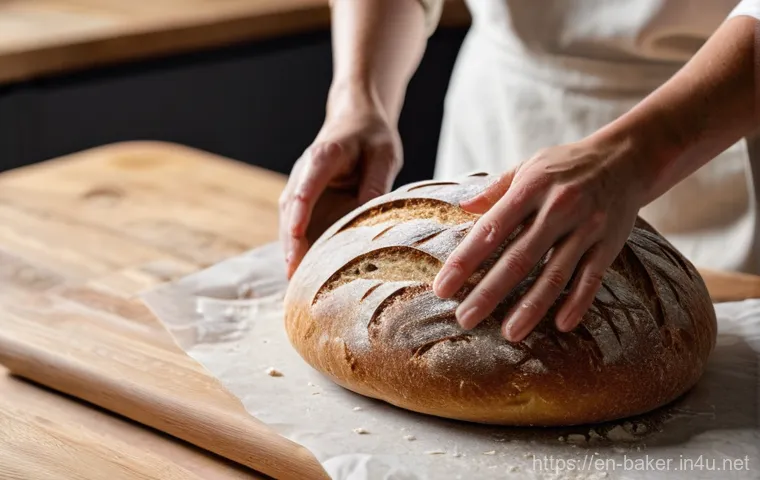
Oh, croissants. Just the word conjures up images of buttery layers, a delicate crisp, and that satisfying shattering sound when you take a bite. For the longest time, they were my Mount Everest of baking. I’d watch countless videos, read every article, and then inevitably end up with something that tasted good but looked… well, like a sad, dense roll. The past few months, however, have been a game-changer. I dedicated myself to cracking the croissant code, and let me tell you, it was a journey filled with triumph and, let’s be honest, a whole lot of butter leakage. I vividly recall one sweltering afternoon, thinking I could cheat the temperature by just working faster. Big mistake! The butter melted straight into the dough, resulting in a greasy, heavy mess that still haunts my baking dreams. But those failures, dear friends, taught me more than any perfectly executed batch ever could. It’s all about patience, precision, and understanding the science behind the magic. The feeling of pulling that first truly flaky, golden croissant from my oven was pure bliss, a moment I literally cheered for in my kitchen.
Lamination Lessons Learned the Hard Way
You know that critical step where you fold butter into dough repeatedly to create those glorious layers? That’s lamination, and it’s where most of my early croissant struggles happened. I quickly learned that the butter block needs to be just the right consistency – pliable but still cold and firm. Too cold, and it shatters; too warm, and it oozes. My breakthrough came when I started rolling out my butter block to the exact dimensions needed before chilling it again, rather than trying to pound a cold block into submission. It made such a difference! Also, the turns! The book says three single turns. I used to rush them, thinking “close enough” was fine. Nope. Each turn needs to be precise, the dough relaxed, and the temperature controlled. I even started setting a timer for the chill periods between turns, refusing to peek or rush. It felt overly strict at first, but the results were undeniable. My dough became easier to handle, and the layers were finally distinct.
Temperature is Your Best Friend (and Worst Enemy)
This is probably the single biggest lesson I took from my croissant saga. Ambient temperature, dough temperature, butter temperature – they all play a critical role. I learned to chill everything, and I mean everything, relentlessly. My kitchen tends to run a bit warm, so I started pre-chilling my flour and even my mixing bowl. During the rolling and folding process, if the dough started to feel even slightly warm or sticky, back into the fridge it went, no questions asked. I even invested in a small, inexpensive oven thermometer to make sure my proofing environment was perfectly controlled, usually around 75-80°F (24-27°C) with a bit of humidity. It’s a delicate dance, but mastering temperature control transformed my croissants from dense pastries into light, airy marvels.
Cookie Catastrophes and How I Turned Them Around
Who hasn’t had a cookie disaster? If you say you haven’t, you’re either lying or you’re a baking wizard who needs to share their secrets! For me, cookies are supposed to be simple, a comforting classic. But I’ve had my share of flat, greasy hockey pucks, burnt edges with raw centers, and cookies that fused into one giant, amorphous blob on the baking sheet. It’s frustrating when you follow a recipe to a T and still end up with something unrecognizable. I specifically remember trying a new chocolate chip cookie recipe that promised “bakery-style” results. I was so excited! But when they came out of the oven, they were flatter than pancakes, and the chocolate chips had all sunk to the bottom. I almost threw in the towel on that recipe, but my stubborn streak kicked in. I decided to experiment, tweaking one variable at a time until I figured out what went wrong. It turns out, that particular recipe needed a bit more flour and a much longer chill time for the dough. Now, those “bakery-style” cookies are a staple in my home, and I smile every time I see them spread just perfectly on the sheet.
The Spreading Saga: My Dough Chilling Revelation
Ah, the dreaded cookie spread! We’ve all seen it – those cookies that melt into thin puddles instead of holding their shape. For years, I thought it was just bad luck or a faulty oven. But then I discovered the magic of chilling my cookie dough, and it absolutely changed my cookie game. I used to just scoop and bake right after mixing, eager for that warm cookie fix. Now, I make it a habit to chill almost all my cookie dough, sometimes for as little as 30 minutes, but often overnight, especially for chocolate chip or peanut butter varieties. What I’ve learned is that chilling allows the fats to solidify and the flour to fully hydrate, which helps the cookies hold their shape better in the oven and prevents excessive spreading. Plus, it concentrates the flavors, making for a much richer, more delicious cookie. My pro-tip? Portion out your dough balls before chilling. It makes baking day so much faster and less messy!
Rescuing a ‘Lost’ Batch: My Go-To Fixes
Sometimes, despite all our best efforts, things still go a bit sideways. I’ve had cookies come out too soft, too hard, or just not quite right. Instead of tossing them, I’ve developed a few tricks for rescuing a “lost” batch. If cookies are too soft or cakey when they should be crisp, I’ll pop them back into a turned-off, still-warm oven for another 10-15 minutes to let them dry out a bit more. If they’re too hard, a classic trick is to place them in an airtight container with a slice of bread or an apple wedge overnight. The moisture from the bread or fruit gets absorbed by the cookies, softening them right up! For burnt edges, I carefully trim them off – not ideal, but better than throwing the whole batch away. And if cookies are just bland, a sprinkle of flaky sea salt right when they come out of the oven can miraculously elevate their flavor. It’s all about finding those little adjustments that save your hard work.
Sourdough Secrets: Befriending My Starter
Sourdough baking was another big adventure for me this year. It felt like joining a secret club with its own language: feeding schedules, hydration percentages, stretch and folds. My starter, whom I affectionately named “Bubbles,” became another member of my household. There were days when Bubbles seemed sluggish and unresponsive, and I’d fret over her like a worried parent. I remember vividly the first time my starter doubled within a few hours after a particularly robust feeding – it felt like a monumental achievement! The aroma alone, a slightly tangy, yeasty scent, is incredibly rewarding. My initial attempts at baking sourdough loaves were, shall we say, rustic. I had dense crumbs, flat loaves, and loaves that looked more like artisanal doorstops than bread. But through countless hours of experimentation and a lot of reading, I’ve finally started to understand the rhythm of sourdough and how to coax beautiful, open-crumbed loaves from Bubbles’ tireless work.
Understanding Your Starter’s Personality
Every sourdough starter has its own personality, and learning to read mine was key. I used to feed Bubbles on a strict 12-hour schedule, regardless of how she was looking or smelling. But I quickly learned that she thrives on intuition. Sometimes she needs a little more food, sometimes she’s happy with less. Temperature also plays a huge role; in warmer weather, she’s much more active and needs feeding more frequently. In cooler months, she might be content with a single feed a day. I started paying close attention to the bubbles, the consistency, and the aroma. A healthy, active starter will have plenty of bubbles, a pleasant tangy smell (not overly alcoholic or vinegary), and will consistently double or triple in volume after feeding. It’s like having a pet; you learn their quirks and how to keep them happy. This observation skill really improved my success rate, not just with the starter but with the final bread.
The Art of Folding and Shaping
Once your dough is mixed, the work isn’t over; in fact, some of the most crucial steps begin with the stretch and folds and shaping. For sourdough, these techniques are vital for developing gluten and achieving that airy, open crumb. My first few loaves were a testament to my poor shaping – they spread out instead of holding their dome, leading to those aforementioned doorstop loaves. What truly helped me was watching a lot of videos and practicing until I got a feel for the dough. It’s not about being aggressive; it’s about being firm yet gentle. The stretch and folds build strength, while the final shaping creates tension on the surface, which helps the loaf hold its shape as it bakes. I learned that a good preshape (a gentle rounding) and a proper final shape into a banneton are non-negotiable for a beautiful, well-risen loaf. It takes practice, but the tactile experience of feeling the dough transform in your hands is incredibly satisfying.
Beyond the Basics: Embracing New Baking Techniques
This year wasn’t just about perfecting classics; it was also about pushing my boundaries and diving into baking techniques I’d always found intimidating. I truly believe that growth happens outside our comfort zones, and my kitchen became a laboratory for all sorts of experiments. From making my own laminated doughs for viennoiserie beyond croissants to attempting elaborate entremets, I embraced the challenge. It wasn’t always smooth sailing, of course. I remember trying to temper chocolate for the first time for a fancy dessert. Let’s just say my first attempt resulted in dull, streaky chocolate that bloomed almost instantly. It looked like a science experiment gone wrong! But with each try, I learned a little more, adjusted my approach, and slowly but surely, started to see improvements. This journey has not only expanded my baking repertoire but also instilled a deeper appreciation for the artistry and precision that goes into professional-level pastry work. It’s thrilling to think about what I’ll try next!
Mastering the Mousse: Lightness and Flavor
Mousse, in its purest form, is a symphony of lightness and intense flavor. I used to think it was solely the domain of professional pastry chefs, but I decided to tackle it head-on. My first few tries were dense, heavy, and lacked that ethereal quality. I learned quickly that the key lies in the careful folding of whipped cream or meringue into the base. Overfolding, even slightly, can deflate all that precious air, resulting in a rubbery texture. I also discovered the importance of the right gelatin (or agar-agar for vegetarians) bloom and temperature integration. Getting the base mixture to the perfect temperature before folding in the aerating component is critical. It’s a delicate balance, but when you get it right, the result is truly spectacular – a velvety, melt-in-your-mouth experience that feels incredibly luxurious. I’ve found that using high-quality chocolate or fruit purées makes an enormous difference in the final taste.
The Allure of French Macarons: A Delicate Dance
Macarons were another conquest this year, and oh, what a challenging yet rewarding one! These delicate French confections with their crisp shells and chewy interiors are notoriously finicky. My early attempts often resulted in cracked tops, hollow shells, or no “feet” at all – the characteristic ruffled edge that makes a macaron a macaron. It was maddening! I learned that humidity is the enemy, egg whites need to be aged, and the “macaronage” process (folding the almond flour mixture into the meringue) is an art form in itself. Too much folding, and the batter is too runny; too little, and it’s too stiff. I spent weeks just trying to get the consistency right, practicing my piping technique, and perfecting the drying time before baking. The sheer joy of seeing those perfect little feet appear in the oven for the very first time was a moment of pure culinary exhilaration. They still challenge me, but now I understand their language a little better.
My Favorite Tools and How They Changed My Baking Game
You know, for years, I thought baking was all about technique and ingredients. While those are undeniably crucial, I’ve come to realize that having the right tools can elevate your baking experience from frustrating to fantastic. It’s like having a great co-pilot in the kitchen! I used to hobble along with a few basic essentials, but this past year, I slowly started investing in some items that have genuinely made a world of difference. It’s not about owning every gadget under the sun, but about having those few key pieces that simplify complex tasks or improve precision. I’m talking about things that save you time, reduce guesswork, and ultimately lead to more consistent, professional-looking results. Seriously, some of these items have felt like superpowers in my hands, transforming frustrating processes into enjoyable ones. If you’re serious about stepping up your baking game, take a peek at some of my game-changing essentials.
Precision Scales: Beyond the Measuring Cup
This might seem obvious to some, but I resisted getting a good digital kitchen scale for ages, relying solely on measuring cups and spoons. Big mistake! Baking, especially pastry and bread making, is a science where precision truly matters. Flour can be packed differently, and butter density varies. A cup of flour can weigh anywhere from 120g to 150g depending on how it’s scooped! My cheap scale wasn’t consistent. Upgrading to a more accurate digital scale that measures in grams and ounces, down to the decimal point, was a revelation. My bread loaves became more consistent, my cakes had better texture, and my macarons (those finicky little things!) finally started behaving. Weighing ingredients, especially flour and liquids, eliminates so much guesswork and ensures you’re following the recipe’s intent precisely. It’s truly a foundational tool for serious bakers.
The Stand Mixer: My Kitchen Workhorse
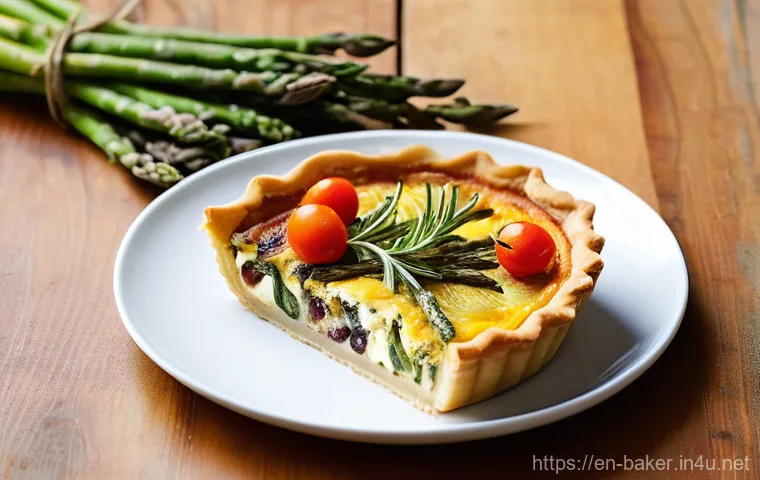
If you’re still hand-mixing everything, bless your heart! I was there once, and while it’s a good workout, a sturdy stand mixer is an absolute game-changer. From whipping egg whites to stiff peaks in minutes, to kneading dough for bread or brioche without breaking a sweat, it saves an incredible amount of time and effort. My stand mixer, which I affectionately call “The Beast,” has become an indispensable part of my kitchen. It ensures consistent mixing, incorporates air beautifully, and frees up my hands for other prep tasks. It’s a significant investment, yes, but for anyone who bakes regularly, it pays for itself in convenience, consistency, and sheer arm-saving power. I’ve even started experimenting with its attachments, like the pasta roller, which is a whole new adventure!
Navigating the Sweet and Savory Divide
My baking journey this year wasn’t exclusively about sugar and butter. I also ventured into the savory side, and it’s been a delightfully unexpected path. For a long time, I considered myself strictly a sweet baker. My comfort zone was cakes, cookies, and pastries. But a friend challenged me to make a savory tart for a potluck, and something clicked. The precision of baking, combined with the robustness of savory flavors, was incredibly appealing. I’ve discovered a whole new world of quiches, savory scones, focaccia, and even gourmet pizza crusts that are baked to perfection. It’s a wonderful way to use fresh herbs, seasonal vegetables, and different cheeses. Plus, serving something savory that came out of your oven often gets an even more surprised and appreciative reaction because it’s less common than a sweet treat. It’s broadened my understanding of dough, leavening, and flavor profiles in ways I never anticipated.
Flaky Pastries with a Savory Twist
Taking the techniques I learned from sweet pastry, like making rough puff pastry or a rich shortcrust, and applying them to savory creations has been incredibly fun. Imagine a perfectly flaky crust filled with caramelized onions, Gruyère cheese, and a hint of thyme – pure heaven! Or individual savory galettes with roasted cherry tomatoes, basil, and a drizzle of balsamic glaze. These bakes are fantastic for brunches, light lunches, or appetizers. I’ve found that working with savory fillings allows for a lot more improvisation and creativity compared to the often-strict formulas of sweet desserts. It’s taught me to be more intuitive with flavor pairings and to trust my palate. The texture contrast between a crisp, buttery pastry and a soft, flavorful filling is just irresistible. My favorite savory bake this season has been a wild mushroom and leek quiche with a homemade cheddar crust.
Artisanal Breads: More Than Just Loaves
Beyond traditional sourdough, I’ve delved into other artisanal savory breads. Think focaccia studded with rosemary and sea salt, or a rustic ciabatta perfect for dipping in olive oil. These breads are incredibly satisfying to make and even more so to share. I’ve experimented with different flours, from whole wheat to rye, and incorporated various inclusions like olives, sun-dried tomatoes, and herbs directly into the dough. The process of developing a robust gluten structure for a chewy interior and a beautiful, crusty exterior has become a passion. There’s something deeply comforting and primal about baking your own bread, and the aroma filling the house is simply intoxicating. It’s been a journey of learning hydration levels, shaping techniques for different types of dough, and understanding the nuances of steam in the oven for that perfect crust.
| Baking Challenge | My Go-To Solution | Why It Works |
|---|---|---|
| Flat Cookies | Chill dough for at least 30 minutes (preferably overnight). Add 1-2 tbsp more flour. | Solidifies fats, hydrates flour, prevents excessive spreading. Extra flour adds structure. |
| Dense/Heavy Cakes | Ensure ingredients are at room temperature. Don’t overmix batter after adding flour. | Room temp ingredients emulsify better. Overmixing develops gluten, making cakes tough. |
| Soggy Pie Crust | Blind bake crust thoroughly. Brush with egg wash before filling. | Removes excess moisture. Egg wash creates a barrier against filling liquid. |
| Dry/Crumbly Scones | Use very cold butter, cut into small pieces. Handle dough minimally. | Cold butter creates steam for flakiness. Overworking develops gluten, leading to toughness. |
| Cracked Macarons | Age egg whites. Let piped macarons dry until a skin forms. | Aged whites whip better. Skin allows steam to lift evenly, preventing cracks. |
Seasonal Swaps and Creative Kitchen Experiments
One of the most enjoyable aspects of my recent baking adventures has been embracing the changing seasons and letting them inspire my creations. There’s something truly special about baking with ingredients that are at their peak freshness and flavor. This approach has pushed me to be more creative and less reliant on standard recipes, often leading to delightful surprises. I love visiting local farmer’s markets and letting whatever catches my eye dictate what I’ll bake that week. In the spring, it might be a strawberry rhubarb pie; in the summer, a peach and blueberry cobbler; autumn calls for spiced apple cakes or pumpkin bread, and winter is perfect for citrus-infused treats or rich chocolate desserts. It’s a cyclical journey of flavors that keeps my baking fresh and exciting, and honestly, makes me feel more connected to the food I’m creating. Plus, it’s a fantastic way to support local producers and get the freshest possible ingredients!
Harvesting Flavors: From Garden to Oven
My small herb garden has become an unexpected source of inspiration for my baking. Fresh rosemary in a focaccia, lavender in shortbread, or basil infused into a lemon tart – these little additions elevate a bake from good to extraordinary. I’ve also started experimenting with preserving seasonal produce so I can enjoy those flavors year-round. Think homemade fruit compotes for fillings, roasted pumpkin purée for pies, or citrus zests dried and stored for a burst of brightness in winter. It’s a rewarding process that makes you feel incredibly self-sufficient and connected to your ingredients. There’s a distinct pride that comes from telling someone, “Yes, those berries in the tart came from my garden,” or “This jam was made with peaches from the orchard down the road.” It makes the final product taste even better, infused with effort and love.
Unconventional Pairings: Sweet and Unexpected
Beyond traditional seasonal pairings, I’ve been having a blast exploring more unconventional flavor combinations. This is where the real creativity kicks in! Who would have thought that a touch of black pepper could enhance a strawberry scone, or that olive oil could create an incredibly moist and flavorful cake? I’ve experimented with cardamom in my chocolate chip cookies, chili flakes in a dark chocolate brownie, and even a hint of miso in caramel sauce. Some experiments have been duds, of course, but many have resulted in surprisingly delicious and unique treats that have become new favorites. It’s all about being brave enough to try something new, even if it sounds a little strange at first. This adventurous spirit has not only made my baking more exciting but has also sharpened my palate and made me a more intuitive baker. It’s a wonderful way to keep things interesting in the kitchen.
Making Time for Memory-Making Bakes
In our busy lives, it’s so easy to see baking as just another chore or something to squeeze in when you have “extra” time. But this year, I’ve really tried to shift my perspective and view baking as an act of self-care and a way to create lasting memories. It’s not just about the end product; it’s about the process itself – the rhythmic kneading of dough, the comforting aroma filling the house, the quiet moments of focus. I’ve started scheduling “baking dates” with myself, intentionally blocking out time to try a new recipe or revisit a beloved classic, without the pressure of a deadline or a specific outcome. These moments have become incredibly grounding. And, of course, sharing these bakes with friends and family, seeing their faces light up as they take a bite of something you made with your own hands, is one of the purest joys in life. Baking isn’t just about food; it’s about connection, creativity, and love.
Baking as a Stress Reliever
You know that feeling of being totally engrossed in a task, where the outside world just melts away? For me, that’s baking. There’s something incredibly therapeutic about the methodical steps: measuring, mixing, kneading, waiting for dough to rise. It’s a mindful activity that demands your attention, pulling you away from screens and everyday stresses. When I’m having a particularly hectic week, I often find myself turning to a simple bread recipe or a batch of cookies, and the process itself acts as a wonderful stress reliever. The warmth of the oven, the transformation of simple ingredients into something delicious – it’s a tangible reward that brings a sense of accomplishment and calm. It’s my preferred form of meditation, a delicious kind of zen that leaves me with something tasty to share at the end.
Sharing the Sweetness: Gifts and Gatherings
While I love baking for myself and my immediate family, one of the greatest joys I’ve discovered this year is using my bakes as a way to connect with others. A freshly baked loaf of bread for a neighbor, a box of homemade cookies for a friend who’s having a tough week, or a celebratory cake for a birthday – these simple gestures carry so much meaning. It’s more than just a treat; it’s a tangible expression of care and thoughtfulness. I’ve found that these “gift bakes” are often the most rewarding. They spark conversations, bring smiles, and create connections. Hosting a small gathering where everything, from the appetizers to the dessert, comes from your own oven, is an incredibly fulfilling experience. It reinforces the idea that food is love, and sharing that love, one delicious bite at a time, is what truly makes baking special.
Wrapping Things Up
Well, friends, what a delicious journey we’ve been on! From chasing that perfect croissant crumb to befriending my sourdough starter and exploring the exciting world of savory bakes, this year has truly been a culinary adventure. Baking, for me, has evolved from a simple hobby into a profound source of joy, creativity, and connection. It’s a wonderful reminder that even in our fast-paced lives, taking the time to create something beautiful with our hands can bring immense satisfaction and incredible flavors to share with those we love.
Useful Baking Bits to Keep in Mind
Here are a few nuggets of wisdom I’ve gathered along the way that I truly believe can elevate anyone’s baking game, whether you’re a seasoned pro or just starting out:
1. Precision is Your Power: Ditch the measuring cups for dry ingredients and invest in a good digital kitchen scale. Seriously, weighing your flour and sugar makes a world of difference in consistency and ensures your bakes turn out exactly as the recipe intended.
2. Temperature Matters, Always: From your butter for flaky pastries to your dough for cookies and your oven for everything, controlling temperature is critical. Room temperature ingredients emulsify better, cold butter prevents spreading, and an accurately calibrated oven (check with a thermometer!) ensures even baking.
3. Don’t Rush the Chill: For cookies, pie crusts, and especially laminated doughs like croissants, chilling is not an optional step. It allows fats to firm up, gluten to relax, and flavors to deepen, leading to better texture and less spread.
4. Embrace Your Failures: Every flat cookie or dense loaf is a lesson waiting to be learned. Don’t be discouraged! Take notes, tweak one variable at a time, and you’ll often discover the solution that leads to your next baking triumph.
5. High-Quality Ingredients are Worth It: You really do taste the difference. Using fresh, good-quality flour, butter, eggs, and extracts can transform a good bake into an extraordinary one. It’s an investment in flavor!
Key Takeaways from My Kitchen Chronicles
Reflecting on this past year, my biggest takeaway is that baking is a continuous journey of learning, patience, and pure delight. It’s about more than just following a recipe; it’s about understanding your ingredients, trusting your intuition, and not being afraid to experiment. The true magic lies not just in the delicious final product, but in the process itself – the joy of creation, the shared moments, and the comforting aromas that turn a house into a home. So, go forth, bake with passion, and remember that every crumb tells a story!
Frequently Asked Questions (FAQ) 📖
Q: I’ve heard baking croissants is notoriously tricky. What’s your secret to mastering that elusive fold and getting those perfect flaky layers without them turning into dense bricks?
A: Oh, croissants! They are truly a labor of love, aren’t they? I’ve definitely had my fair share of “croissant catastrophes” in my kitchen, believe me.
The first time I tried, my “layers” looked more like a solid block of butter, and I was ready to throw in the towel. But I learned that the real magic is in the temperature and patience.
My biggest breakthrough was understanding that the butter block needs to be cold but pliable – not too hard it shatters, and not too soft it melts into the dough.
It’s a delicate dance! I usually take my butter out about 30 minutes before I start laminating, just enough so it bends without breaking. And when it comes to the folds, working quickly and keeping everything chilled is key.
I’ve even resorted to popping my dough back into the fridge for 15-20 minutes between folds, especially on a warmer day, just to keep that butter happy and distinct.
Don’t rush it; those rest periods are non-negotiable for relaxing the gluten and ensuring those beautiful, airy layers. It’s truly a journey, not a sprint, and every single time I make them, I learn something new about how my kitchen’s temperature and even my own rolling technique affect the final product.
So, give yourself grace, embrace the chill time, and don’t be afraid to experiment with your butter’s pliability – that’s where the real “aha!” moment happens!
Q: We all have those moments when a baking project just goes completely off the rails. You mentioned rescuing a batch of cookies from disaster. What are your top tips for salvaging a recipe that seems beyond hope?
A: Ah, the “oops” moments! They’re inevitable, right? And trust me, I’ve had so many that I’ve become a bit of a baking disaster recovery specialist in my own right.
My “rescue a batch of cookies” story actually involved a batch that spread way too much, looking more like thin, greasy pancakes than actual cookies! My first tip for salvaging almost anything is to not panic and assess the damage.
For those flat cookies, I learned a trick that saved them: I gently placed them back on a baking sheet and baked them for a few more minutes at a slightly lower temperature (around 300°F or 150°C) after they had cooled completely.
This often helps them crisp up without burning. If they’re slightly burnt on the bottom, a fine grater can actually scrape off the charred bits – seriously, it works wonders!
Another common one is a cake that sinks in the middle. While you can’t un-sink it, you can turn it into a trifle, cake pops, or even a delicious crumb base for another dessert!
I’ve found that repurposing is often the best plan. And if your dough is too tough, you likely overmixed it, developing too much gluten. Next time, mix just until combined.
The key is to be creative and remember that even “failed” bakes can often be transformed into something new and delicious, so never, ever throw it out immediately!
It’s all part of the learning curve, and honestly, some of my best “new” recipes have come from rescuing a disaster.
Q: For those of us looking to really level up our baking game and embrace new techniques, what’s your best advice for staying motivated and consistently improving, even when faced with discouraging failures?
A: This is such a great question, and it’s one I ask myself constantly! We’ve all been there, right? You pour your heart and soul into a bake, and it just doesn’t turn out.
My kitchen has seen its share of crumpled parchment paper and sighs of exasperation. But what I’ve truly learned over the years is that every single “fail” is just a stepping stone to something incredible.
My number one piece of advice? Embrace the process, not just the perfection. Seriously, those “oops” moments teach you so much more than when everything goes perfectly.
I keep a little baking journal where I jot down what I tried, what went wrong, and what I think happened. Did the oven temperature feel off? (Invest in an oven thermometer, by the way, they’re game-changers!) Was the butter too cold or too warm?
It’s like being a detective in your own kitchen! Also, don’t be afraid to break down a complex recipe into smaller, manageable steps. When I first tackled croissants, I focused solely on the butter block one day, then the dough the next, and only then did I attempt the lamination.
It makes the challenge feel less daunting. And most importantly, keep trying! Even professional bakers have failures; they just don’t always show them.
The more you practice, the more intuitive baking becomes, and the more confident you’ll feel experimenting and truly making recipes your own. So, don’t let a flat cake or a leaky croissant get you down; see it as valuable data for your next delicious adventure!