Hey baking enthusiasts and fellow foodies! You know, there’s a whole lot more happening in our favorite bakeries than just mixing dough and frosting cakes these days.
The sweet aroma of innovation is truly in the air, with cutting-edge technology rapidly transforming how our beloved treats are made, from the smallest local patisserie to the busiest commercial kitchens.
I’ve personally seen how smart equipment and clever software are revolutionizing everything from ingredient precision and workflow efficiency to creating those stunning, intricate decorations we all marvel at.
It’s an incredibly exciting time to be in or around the baking world, as these advancements are not only boosting productivity and consistency but also opening up entirely new possibilities for creativity and customization.
So, if you’re eager to discover which essential tech tools are becoming the new gold standard in the baking industry, let’s dive into the delicious details right now!
The Unseen Hands: Robotics and Automation Reshaping the Bakery Floor

Automated Mixing and Dough Handling for Flawless Consistency
You know, for years, getting that perfectly consistent batch of dough felt like a baker’s personal quest, a secret touch only years of experience could impart.
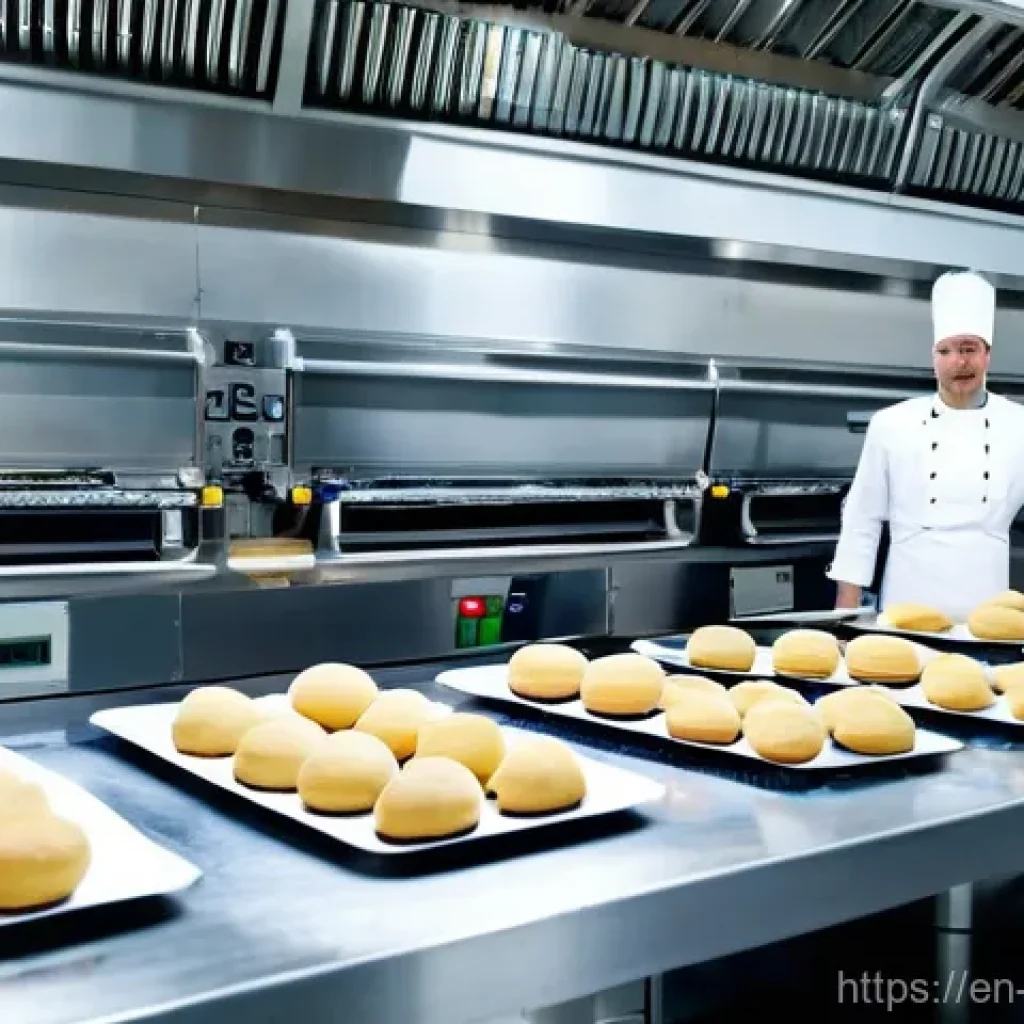
But what I’ve found from visiting some incredible modern bakeries is that sophisticated automation is now taking the guesswork out of it. We’re talking about robotic arms that precisely measure and mix ingredients, ensuring every single batch of bread, pastry, or cookie dough is exactly the same, every single time.
It’s not about replacing the artisan; it’s about freeing them up from repetitive, physically demanding tasks. Imagine a robot carefully kneading dough to perfection, hour after hour, never tiring, never missing a beat.
This means fewer errors, less waste, and honestly, a much happier baking crew who can focus on the creative aspects, like developing new recipes or perfecting their finishing touches.
I remember seeing a small bakery in Brooklyn install a new automated mixer, and the owner told me it completely transformed his day-to-day. He went from spending hours on back-breaking kneading to overseeing quality and engaging with customers, which is what he truly loves.
It’s a game-changer for scaling up without losing that homemade feel, and I’ve seen it drastically improve employee morale while also boosting output, which is a win-win in my book.
Precision Panning and Packaging Systems: Speeding Up the Sweet Journey
And it doesn’t stop at the dough! Once those delicious creations are ready for the oven, or cooling down, getting them onto trays and into packaging used to be a frantic, hand-intensive process, especially for larger operations.
But now, with precision panning systems, pastries and cookies are automatically placed onto baking sheets with incredible accuracy and speed. This isn’t just about going fast; it’s about reducing product damage and ensuring uniform baking.
Then, on the other end, automated packaging machines are swooping in, gently but efficiently wrapping and boxing everything up. From delicate croissants to chunky cookies, these systems handle them with care, making sure they look as good on the shelf as they did coming out of the oven.
For businesses looking to expand their reach, this kind of tech is absolutely vital. I recently chatted with a baker who used to dread the post-bake packaging rush; now, he says his automated system not only saves him hours but also ensures his products arrive at cafes and grocery stores looking pristine, which, let’s be honest, is half the battle in enticing customers.
It genuinely boosts customer satisfaction and reduces returns, which is huge for the bottom line, keeping those loyal customers coming back for more.
Sweet Science: Smart Ingredient Management for Optimal Flavor
AI-Powered Recipe Optimization for Peak Taste
Forget the days of endless trial and error for that perfect flavor profile! Seriously, this is one area where I’ve seen technology just blow minds. AI-powered recipe optimization is becoming a baker’s secret weapon.
These clever systems analyze vast amounts of data – everything from ingredient interactions and customer feedback to environmental factors like humidity – to suggest tweaks and improvements that would take a human baker years to discover.
It’s not about replacing intuition entirely, but rather augmenting it with incredibly precise scientific insights. I’ve heard stories from pastry chefs who’ve used these tools to fine-tune a cake recipe, achieving a level of moistness or a balance of sweetness they never thought possible.
They can even predict how ingredient substitutions might affect the final product, helping bakeries save money by efficiently using what they have on hand without compromising quality.
It’s like having a super-smart culinary chemist on your team, always pointing you towards the most delicious outcome. The results? Happier customers and recipes that truly stand out in a crowded market.
Automated Inventory and Supply Chain Integration: Never Run Out!
There’s nothing worse than being in the middle of a big order and realizing you’re out of vanilla extract, right? Or, on the flip side, having tons of expensive butter spoiling because you over-ordered.
This is where automated inventory systems are a lifesaver. These systems track every single ingredient, from flour sacks to sprinkles, in real-time. They can even predict future needs based on sales data and upcoming promotions, automatically placing orders with suppliers when stock runs low.
When I spoke to a bakery owner in Portland, he told me that integrating his inventory with his suppliers had drastically cut down on waste and rush-order fees.
He’s now able to negotiate better prices because he can commit to larger, more predictable orders. It’s not just about saving money, though; it’s about peace of mind.
Knowing you’ll always have what you need, exactly when you need it, frees up so much mental energy that can be put back into creating amazing treats. Plus, it improves the freshness of ingredients by ensuring a quicker turnover, which, as we all know, directly translates to better tasting baked goods.
Bringing Art to Life: Digital Decoration Techniques
3D Food Printing for Intricate Designs and Customization
Okay, prepare to be amazed, because 3D food printing is utterly transforming how bakeries approach decoration. We’re talking about creating incredibly intricate, edible designs that would be impossible to replicate by hand, or at least, not without days of painstaking work.
Imagine delicate sugar lace patterns, complex geometric shapes for cake toppers, or even custom brand logos printed directly onto cookies or fondant. This technology isn’t just for fancy, high-end patisseries anymore; it’s becoming more accessible, allowing smaller businesses to offer truly unique and personalized products.
I’ve personally witnessed the jaw-dropping effect these customized creations have on customers – there’s something truly special about seeing your name or a specific design etched perfectly onto a dessert.
It’s a fantastic way to differentiate a bakery and command a higher price point for those bespoke items. It also drastically reduces the time and skill required for complex decoration, opening up new possibilities for creative expression for any baker.
Automated Glazing and Frosting Robots for Picture-Perfect Finishes
If you’ve ever tried to perfectly glaze 200 donuts by hand, you know the struggle is real. Achieving that consistent, mirror-like sheen or that perfectly smooth frosting swirl across hundreds of items is a true art form. But guess what? Robots are stepping in to lend a helping hand, or rather, a helping nozzle! Automated glazing and frosting systems ensure every single pastry gets the exact same amount of topping, distributed flawlessly. This not only guarantees a uniform, professional appearance but also reduces waste from uneven application. I recently saw a system where a robot was drizzling intricate patterns onto cupcakes with a speed and precision that was simply astounding. It’s perfect for high-volume bakeries that need to maintain impeccable presentation standards across thousands of products daily. This kind of automation ensures that every item looks like it came straight out of a magazine, which, let’s be honest, makes them far more appealing to customers and helps drive those impulse purchases.
The Brains Behind the Bake: Software for Success
Cloud-Based Recipe Management for Seamless Operations
Remember the days of worn-out recipe binders filled with handwritten notes and sticky pages? Well, those days are quickly becoming a thing of the past thanks to cloud-based recipe management systems. This isn’t just about digitalizing recipes; it’s about creating a centralized, accessible hub for every single formula your bakery uses. Imagine being able to access any recipe, adjust quantities, and even track ingredient costs from any device, anywhere. If I’m a baker with multiple locations, I can ensure every single branch is using the exact same, up-to-date recipe, guaranteeing consistency across the board. Plus, with version control, you never have to worry about losing a successful tweak or accidentally overwriting a perfected formula. I’ve talked to countless bakers who say this technology has saved them countless headaches, improved their product consistency, and made training new staff so much easier. It’s a foundational tool for any modern bakery looking to streamline operations and maintain quality, ultimately boosting their reputation and customer trust.
Production Planning and Workflow Optimization for Peak Efficiency
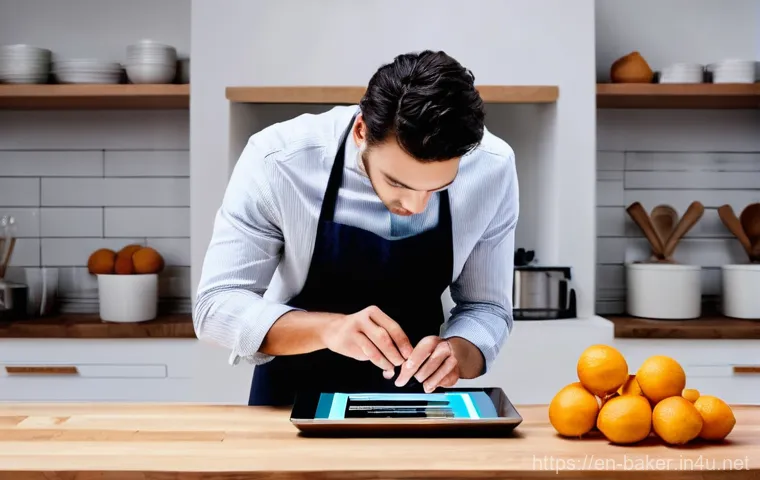
Running a bakery, especially a busy one, feels like a constant juggling act, doesn’t it? From managing orders and staff schedules to ensuring ingredients are prepped and ovens are ready, it’s a lot to keep track of. That’s where production planning and workflow optimization software swoops in to save the day. These systems take all the guesswork out of daily operations. They can analyze incoming orders, predict demand, and then generate the most efficient production schedule possible. This means knowing exactly how much of each item to bake, when to start each batch, and even how to best utilize your oven space. I saw a small patisserie adopt one of these systems, and the owner was absolutely thrilled. She told me it completely eliminated bottlenecks, drastically reduced overtime hours for her staff, and cut down on product waste from overproduction. It’s about working smarter, not just harder, and ensuring every minute and every ingredient is used to its fullest potential, leading to higher profit margins and a less stressed team.
Beyond the Bake: Ensuring Freshness and Shelf Life
Smart Temperature Control Systems for Optimal Storage
Maintaining the perfect temperature for ingredients and finished products is absolutely critical in baking, isn’t it? A few degrees too warm or too cold can mean the difference between fresh, delicious pastries and a spoiled batch. This is where smart temperature control systems are game-changers. These aren’t just fancy thermostats; they are intelligent networks of sensors and controls that constantly monitor and adjust the environment in your refrigerators, freezers, and proofing rooms. They can send alerts to your phone if a temperature drifts out of range, allowing for immediate action to prevent spoilage. I know of a dessert shop that saved thousands of dollars in spoiled product during a heatwave because their smart system alerted the owner to a failing freezer motor overnight. This level of proactive monitoring not only ensures product safety and quality but also extends shelf life, meaning less waste and more deliciousness for your customers. It’s a vital investment for maintaining consistent product quality and profitability.
Atmospheric Packaging Innovations to Keep Things Pristine
Once your beautiful baked goods are ready to leave the bakery, the journey to the customer’s plate shouldn’t diminish their quality. That’s why atmospheric packaging innovations are becoming so popular. We’re talking about specialized packaging that controls the environment inside, like modified atmosphere packaging (MAP) that uses a specific gas mix to slow spoilage, or vacuum sealing for maximum freshness. These techniques are particularly beneficial for products with a shorter shelf life, like artisan breads or delicate cakes. I recently tasted a scone that had been shipped across the country using one of these advanced packaging methods, and it tasted as fresh as if it had just come out of the oven! This technology isn’t just for large-scale operations; smaller bakeries are also adopting it to expand their delivery radius and ensure their products maintain their peak quality, which is crucial for customer satisfaction and building a strong brand reputation. It helps to ensure that all the hard work put into baking isn’t undone during transit or on the shelf.
Data-Driven Delights: Analytics for the Modern Bakery
Customer Preference Tracking and Trend Spotting for Smarter Menus
You know, baking isn’t just about what you love to create; it’s about what your customers love to eat. And in today’s world, we have incredible tools to figure that out with precision. Data analytics allows bakeries to track customer preferences, sales trends, and even predict what flavors or items will be popular next season. Imagine knowing, with a good degree of certainty, that pumpkin spice everything will fly off the shelves in the fall, or that vegan pastries are a growing demand in your area. This information is gold! It helps bakeries optimize their menus, ensuring they’re always offering what people want, when they want it, which directly impacts sales and customer loyalty. I’ve seen smaller bakeries use simple point-of-sale data to discover their unexpected best-seller and then capitalize on it, leading to a significant boost in revenue. It’s like having a crystal ball for your bakery’s future, guiding your creative efforts towards maximum profitability and ensuring you’re always ahead of the curve.
Efficiency Metrics and Waste Reduction for a Healthier Bottom Line
Every baker knows that waste can eat into your profits faster than hungry customers can eat a fresh batch of cookies. This is where data analytics truly shines in helping reduce waste and improve overall efficiency. By tracking metrics like ingredient usage, production yields, and unsold inventory, bakeries can identify exactly where inefficiencies lie. Is too much dough being left on the mixer? Are certain items consistently being overproduced? Analytics can pinpoint these issues, allowing for targeted adjustments. For example, a bakery might discover that baking smaller batches more frequently for certain items drastically cuts down on leftovers, or that adjusting a recipe slightly reduces ingredient consumption without impacting taste. I’ve personally been amazed by how even small adjustments, guided by data, can lead to significant savings over time. It’s about getting the most out of every single ingredient, every minute of labor, and every kilowatt of energy, which not only benefits the environment but also makes your business much more sustainable and profitable in the long run.
| Technology Category | Key Benefits for Bakeries | Impact on Customer Experience |
|---|---|---|
| Robotics & Automation | Increased consistency, reduced labor for repetitive tasks, higher production volume, minimized errors. | Uniform product quality, faster service, wider availability of favorite items. |
| Smart Ingredient Management | Optimized recipes, reduced ingredient waste, accurate inventory, efficient ordering. | Consistently delicious products, wider variety of innovative flavors, fresher ingredients. |
| Digital Decoration | Intricate designs, bespoke customization, enhanced visual appeal, reduced manual effort for complex art. | Highly personalized treats, unique and visually stunning products for special occasions. |
| Software Solutions | Streamlined operations, efficient scheduling, accurate recipe management, better staff coordination. | Reliable product availability, consistent quality across locations, faster order fulfillment. |
| Advanced Preservation | Extended shelf life, maintained freshness, reduced spoilage, expanded delivery/distribution. | Fresher products delivered to more locations, safer food, wider selection available for longer. |
| Data Analytics | Informed menu decisions, reduced waste, improved operational efficiency, better understanding of market trends. | Tailored product offerings, innovative new items, fair pricing due to reduced operational costs. |
Concluding Thoughts
Wow, what a journey we’ve had exploring the incredible world of robotics and automation in bakeries, right? Honestly, when I first started digging into this, I was amazed by how much technology is reshaping a craft that feels so rooted in tradition. But what I’ve genuinely come to appreciate, and what I hope you’ve felt too, is that this isn’t about replacing the heart and soul of baking. Instead, it’s about empowering every single baker to achieve new levels of precision, consistency, and creativity. From those perfectly kneaded doughs thanks to automated mixers, to the intricate edible art created by 3D printers, and even the peace of mind brought by smart inventory systems – technology is truly a baker’s best friend. It frees up time from repetitive tasks, reduces waste, and allows artisans to focus on what they do best: innovating and bringing joy through their delicious creations. I really believe we’re standing at the cusp of a golden age for bakeries, where tradition meets cutting-edge innovation, leading to more delightful experiences for all of us who cherish a good baked treat. The future of baking is looking incredibly sweet, and I’m so excited to see what amazing things bakers will whip up next!
Useful Information to Know
1. Don’t fear the tech, embrace the benefits: I’ve heard many bakers express hesitation about bringing robots into their kitchens, fearing it might dilute their craft. But from what I’ve witnessed, these tools are designed to enhance, not diminish. They take over the most physically demanding and repetitive tasks, allowing you or your team to pour more energy into recipe development, customer interaction, and the artistic finishing touches that truly make a product shine. Think of it as having an incredibly efficient, tireless assistant who ensures every base is perfectly covered, freeing you up for the creative magic that only a human can provide.
2. Prioritize where automation makes the biggest impact: When considering which technologies to adopt, take a close look at your current workflow. Where are your biggest bottlenecks? Is it inconsistent product quality? High labor costs for repetitive tasks like panning or packaging? Excessive ingredient waste? Focusing on these specific pain points first will help you identify the automation solutions that will deliver the most immediate and significant return on investment, making the transition feel truly impactful and worthwhile rather than just an expense that doesn’t quite fit your needs.
3. Invest in thorough training for your team: Integrating new technology isn’t just about the machines; it’s absolutely about the people who will operate them. I’ve seen firsthand how crucial comprehensive training is. When staff feel confident and competent with new systems, they’re far more likely to embrace the change, troubleshoot minor issues, and leverage the technology to its fullest potential. This not only smooths the transition but also empowers your team, turning potential apprehension into excitement for developing new skills and experiencing streamlined processes, which can actually boost overall job satisfaction.
4. Leverage data for smarter business decisions: Modern bakery software and automated systems generate a wealth of data – from ingredient consumption rates and peak sales times to customer preferences. Don’t let this valuable information go to waste! Analyzing these insights can provide a clearer picture of your operational efficiency, highlight popular products, and even forecast demand for seasonal items. This data-driven approach allows you to optimize purchasing, refine recipes, reduce waste, and tailor your menu to what your customers truly crave, leading to a healthier bottom line and, most importantly, happier patrons who feel truly understood.
5. Look for scalable and adaptable solutions: The bakery industry is constantly evolving, with new trends and demands emerging regularly, and so should your technology. As your business grows or market preferences shift, you’ll want systems that can grow and adapt with you. When researching automation or software, consider solutions that offer modular components or easily upgradeable features. This flexibility ensures that your initial investment remains relevant and valuable for years to come, allowing you to scale up production, diversify your product range, or integrate new functionalities without having to completely replace your core infrastructure every time you want to make an improvement.
Key Takeaways
In wrapping things up, it’s clear that the modern bakery is a dynamic blend of tradition and innovation, a truly exciting space to be in! The adoption of smart robotics and advanced software isn’t just about keeping up with the times; it’s about forging ahead, pushing the boundaries of what’s possible in baking. We’ve seen how these tools dramatically improve consistency and quality, making sure every muffin, loaf, or cake meets those high standards we all appreciate. Furthermore, by automating mundane and repetitive tasks, bakers are liberated to explore new creative avenues, developing exciting flavors and stunning designs that truly captivate customers and set businesses apart. This technological shift also brings a fantastic boost to operational efficiency, significantly cutting down on waste and leading to more sustainable, profitable businesses that can thrive in a competitive market. Ultimately, embracing these technological advancements isn’t about losing the human touch but magnificently enhancing it, allowing bakeries to deliver even more delicious, beautiful, and consistent products to a wider audience, solidifying their cherished place in our hearts and on our plates. It’s truly a win-win for everyone involved!
Frequently Asked Questions (FAQ) 📖
Q: What are some of these “cutting-edge technologies” exactly, and how are they changing daily operations in bakeries?
A: Oh, this is where it gets really exciting! From what I’ve seen and heard from friends in the industry, the big players right now are automation, AI, and even 3D printing.
Automated kneading systems, for instance, are a total game-changer, ensuring every batch of dough has that perfect, consistent texture without the manual labor, which means bakers can churn out more delicious goodies faster.
And smart ovens? They’re basically culinary geniuses with AI built in, adjusting temperature and humidity in real-time based on what’s baking inside, ensuring everything comes out impeccably consistent.
I remember when getting that perfect golden crust felt like a magic trick, but now, these ovens make it a science! Beyond the production line, AI is also stepping into recipe development, helping bakers optimize existing recipes or even suggest entirely new flavor combinations by analyzing popular ingredients and trends.
Then there’s 3D printing, which is absolutely mind-blowing for creating intricate chocolate decorations or customized pastry shapes. I’ve been blown away by the level of detail it allows, pushing the boundaries of edible art!
These tools don’t just speed things up; they reduce human error, minimize waste, and ensure a higher standard of quality across the board.
Q: Is this technology only for big commercial bakeries, or can smaller, local patisseries benefit too?
A: That’s a fantastic question, and one I hear a lot! It’s easy to think of these innovations as being out of reach for your beloved local patisserie, but that’s really not the case anymore.
While large industrial bakeries certainly adopt extensive automation and robotics for high-volume production, smaller bakeries are absolutely finding ways to integrate smart tech effectively.
For instance, a small bakery might not need a massive automated production line, but a smart oven with AI features can drastically improve consistency and free up the baker’s time to focus on creative tasks or customer service.
I’ve seen smaller operations benefit immensely from modular and space-saving equipment that offers flexibility without requiring a huge footprint. Even more accessible tools like digital scales and precision temperature-controlled equipment are transforming how small-batch pastries are made, ensuring accuracy that was once only achieved through years of intuition.
Plus, with the rise of mobile point-of-sale (POS) systems and online ordering platforms, even the coziest local shop can enhance customer experience and reach a wider audience, streamlining their front-of-house operations.
So, no, it’s definitely not just for the big guys – the sweet spot is finding the right scalable solutions that fit your business model and budget.
Q: Beyond just efficiency, how are these tech tools actually boosting creativity and allowing for new types of baked goods?
A: This is probably my favorite part of the whole tech-in-baking revolution! For me, baking has always been an art, and now technology is giving us a whole new palette to work with.
Think about it: when the repetitive, time-consuming tasks like kneading and precise temperature control are handled by machines, bakers are freed up to truly innovate.
We’re seeing things like AI-powered recipe generators suggesting unconventional but delicious flavor pairings or ingredient adjustments I would never have thought of.
Then there’s 3D printing, which allows for intricate designs and customized shapes that were practically impossible just a few years ago. Imagine designing a bespoke cake decoration on a computer and having it printed in edible sugar or chocolate – it’s like magic!
This isn’t just about making existing treats better; it’s about opening up entirely new frontiers for customized, personalized products. I’ve personally experimented with some incredible new textures and forms that these tools make possible.
It’s truly empowering for bakers to push boundaries, experiment with molecular gastronomy techniques, and bring fantastical edible creations to life, all while ensuring consistency that allows them to scale their unique vision.