Dreaming of a career in baking or simply wanting to elevate your home kitchen skills with a professional seal? The path to becoming a certified baker or pastry chef often feels like navigating a dense, delicious jungle, especially when you start looking at the sheer variety of certifications out there.
I remember feeling completely overwhelmed myself, wondering if I truly needed a full-blown culinary degree or if a specialized certificate would be enough to open the doors to my ideal role.
It’s not just about learning to whip up a perfect soufflé anymore; the industry is rapidly evolving, with a surging demand for plant-based alternatives and sustainable practices, pushing traditional programs to adapt, sometimes slowly.
You might be weighing up a local community college program against a prestigious culinary institute, or perhaps even an increasingly popular online course that promises industry recognition.
Each option presents its own unique challenges, from the technical precision required for artisanal bread to the delicate artistry of intricate cake decoration, and honestly, the perceived difficulty can vary wildly depending on what you’re aiming for and the specific program’s focus.
So, how do you even begin to compare them and make an informed decision?
Let’s dive deeper and truly understand the landscape of bakery and pastry certifications. The path isn’t always linear, and it certainly isn’t one-size-fits-all, which is something I learned pretty quickly when I first started researching.
It felt like every school had a different name for essentially the same thing, making the entire process incredibly confusing. But trust me, once you break it down, it becomes much clearer.
Unpacking the Different Tiers of Baking Education
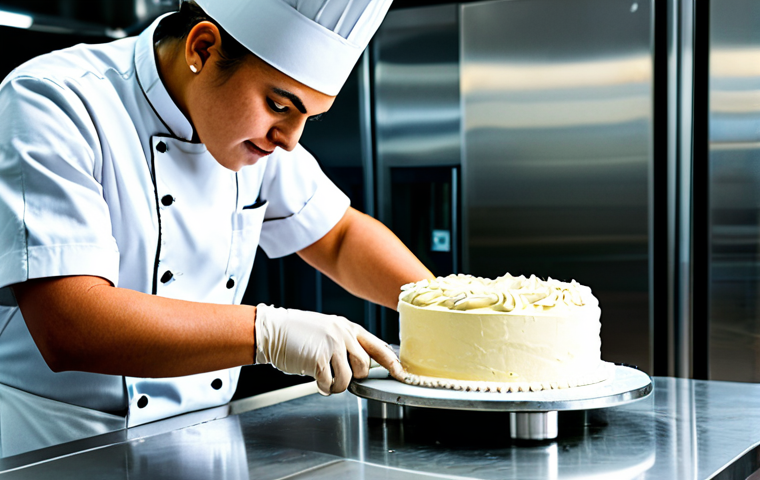
When you’re first looking at certifications, it’s easy to get lost in the jargon. You’ll see everything from “diplomas” to “associate degrees” to “professional certificates,” and honestly, for a while, I just wanted someone to tell me which one was “the best.” What I discovered, though, is that “best” really depends on *your* goals.
Are you aiming to be a head pastry chef at a Michelin-starred restaurant, or do you dream of opening a charming local bakery specializing in artisan bread?
These different aspirations often require vastly different educational investments in terms of time, money, and depth of curriculum. For instance, a quick certificate might get your foot in the door at a smaller establishment, giving you the fundamental skills, but an associate’s degree dives much deeper into the business side, menu planning, and advanced techniques.
It’s about more than just mastering a recipe; it’s about understanding the entire ecosystem of a professional kitchen. The distinctions can be subtle yet profoundly impactful on your career trajectory, so it’s crucial to understand what each program truly offers beyond its catchy title.
Decoding Program Types: From Quick Certifications to Comprehensive Degrees
There’s a whole spectrum of educational pathways for aspiring bakers and pastry chefs, each designed with different career outcomes in mind.
- Professional Certificates: These are typically shorter, focused programs (think 3-9 months) that teach foundational skills like bread baking, cake decorating basics, or patisserie fundamentals. I’ve seen many folks use these as a rapid entry point into the industry or to specialize quickly. They’re great if you already have some kitchen experience but want to formalize your skills or pivot into a specific niche.
- Diplomas/Culinary Arts Programs: Stepping up, these programs often run for 1-2 years and offer a more comprehensive curriculum. They cover a broader range of techniques, delve into kitchen management, sanitation, and sometimes even basic business principles. This is where you might start to feel like a real chef, with hands-on experience across multiple stations.
- Associate’s Degrees (A.A.S. or A.O.S.): These 2-year programs integrate culinary arts with general education courses. They’re excellent for those looking for a more well-rounded education, preparing them not just for the kitchen but also for managerial roles, catering, or even food service entrepreneurship. This was the path I eventually leaned towards because I wanted a broader understanding beyond just the technical skills.
- Apprenticeships: Often overlooked, these involve learning directly on the job under an experienced chef. While not always leading to a formal “certification” in the traditional sense, some structured apprenticeships (especially in Europe or highly specialized bakeries) can lead to industry-recognized credentials. It’s intense, hands-on, and you truly learn by doing, often at a faster pace than in a classroom setting, because you’re constantly immersed in a real working environment.
My Personal Dive Into the Program Maze: Finding the Right Fit
When I was first exploring this world, the sheer number of options felt like trying to pick a single perfect pastry from an entire bakery display – overwhelming, yet exciting.
I remember visiting a few local community colleges, then touring a more prestigious culinary institute. The vibe was so different! The community college felt practical, down-to-earth, and accessible, while the institute had this air of intense professionalism and competitive energy.
I spent weeks weighing the pros and cons, talking to alumni, and even shadowing a local baker for a day to see what the day-to-day really looked like.
What truly resonated with me was the balance between hands-on technique and the underlying theory – why certain ingredients react the way they do, the science of fermentation, not just how to follow a recipe.
It wasn’t about picking the “easiest” or “hardest” program; it was about finding the one that genuinely ignited my curiosity and felt aligned with my long-term vision of not just baking, but understanding the craft at a deeper level.
Beyond the Kitchen: The Financial and Time Commitment of Culinary Education
Let’s be real, education costs money, and culinary school is no exception. It’s easy to get swept up in the dream of creating beautiful confections, but the practicalities of tuition, materials, and living expenses can be a serious reality check.
When I first looked at the tuition fees for some of the top culinary schools, my jaw practically hit the floor. It’s not just about the sticker price; you have to factor in everything else that goes along with it, from specialized tools and uniforms to ingredients for practice at home.
And then there’s the time component – are you ready to dedicate a significant portion of your life, potentially putting other things on hold, to truly immerse yourself in this demanding field?
It’s a huge decision, and one that requires a clear-eyed look at your finances and lifestyle.
The Financial Weight of Your Culinary Dreams
Investing in a culinary education is a significant financial undertaking, but it’s an investment in yourself and your future.
- Tuition Fees: These vary wildly. Community college programs might range from a few thousand dollars to $15,000-$20,000 for a certificate or diploma, while private culinary academies can easily climb to $30,000-$60,000+ for a comprehensive program. And let’s not even get started on the truly elite institutions, which can be even more.
- Materials and Supplies: You’ll need a good set of knives, uniforms, non-slip shoes, textbooks, and sometimes even specific ingredients for at-home practice. These costs can add up, easily hitting several hundred to over a thousand dollars throughout your program.
- Living Expenses: Unless you’re living at home, you’ll need to factor in rent, utilities, food, transportation, and personal expenses. These can be the most significant part of your budget, especially if you’re studying in a major city.
- Scholarships and Financial Aid: This is where I really dug in. Many culinary schools offer scholarships, and there are industry-specific grants available from organizations like the James Beard Foundation or Women Chefs & Restaurateurs. Don’t be afraid to apply for everything you qualify for; it can make a huge difference.
I remember spending hours sifting through scholarship applications, writing essays about my passion for baking, and even doing a small bake sale to try and raise some initial funds.
Every little bit helped, and it truly made me appreciate the value of the education I was pursuing.
Time Investment: Balancing Life and Learning
Beyond the money, time is perhaps your most valuable asset when pursuing a culinary education.
- Full-time Immersion: Many programs are designed for full-time students, meaning 20-40 hours a week of classes, lab work, and practice. This can feel like a full-time job in itself, especially with the added pressure of mastering intricate techniques.
- Part-time Flexibility: Some schools offer part-time evening or weekend classes, which are great for those balancing work or family commitments. However, be prepared for the program to take significantly longer to complete.
- Online Programs: The rise of online culinary education offers unprecedented flexibility. While hands-on practice is crucial, many online programs structure their curriculum around at-home practice, video demonstrations, and virtual chef feedback. This can be a lifesaver for people who can’t relocate or have demanding schedules.
- Sacrifices and Rewards: Be honest with yourself about the sacrifices you might need to make. Late nights practicing dough work, early mornings for bread proofing, or missing social events might be part of the journey. But the reward of creating something truly delicious and mastering a skill you love is, in my experience, absolutely worth it.
I remember missing a few family gatherings because I had a crucial bake to perfect for a class critique. It wasn’t easy, but the feeling of accomplishment when my cake came out perfectly was an incredible payoff.
The Core Curriculum: What You’ll Actually Learn (And Bake!)
You might think culinary school is all about learning recipes, but it’s so much more than that. It’s about understanding the science behind the art, the precision required for perfection, and the creative spirit that transforms ingredients into edible masterpieces.
When I started, I was excited about making beautiful desserts, but I quickly realized how much I needed to learn about food safety, ingredient sourcing, and even the basic business side of running a kitchen.
It’s truly a holistic education that prepares you for the multifaceted demands of the culinary world.
Essential Skills Beyond Simply Following a Recipe
While you’ll certainly learn countless recipes, a good program will instill a foundational understanding of culinary principles.
- Sanitation and Food Safety: This is non-negotiable. You’ll learn HACCP principles, proper storage, temperature control, and cross-contamination prevention. Honestly, it’s not the most glamorous part, but it’s the most critical for public safety and professional success.
- Ingredient Science: Understanding why gluten develops, how leavening agents work, or the role of emulsifiers in a ganache elevates you from a recipe follower to a true artisan. This was one of my favorite parts because it unlocked so much understanding for me.
- Knife Skills and Tool Proficiency: Precision knife cuts are fundamental. You’ll also become adept with stand mixers, ovens, proofers, and specialized pastry tools. Speed and accuracy are key in a professional kitchen.
- Plating and Presentation: The visual appeal of food is just as important as its taste. You’ll learn techniques for garnishing, plating, and creating eye-catching displays that make your creations irresistible.
Specialization Tracks: From Artisanal Bread to Vegan Pastries
The culinary world is constantly evolving, and good programs keep pace by offering specializations.
- Artisanal Bread Baking: This track delves deep into sourdough starters, fermentation, regional breads, and the art of the perfect crust and crumb. It’s a true craft that requires immense patience and feel.
- Advanced Patisserie and Confections: Think intricate chocolate work, sugar pulling, complex mousses, entremets, and classical French desserts. This is where artistic flair truly shines.
- Vegan and Plant-Based Baking: With the surging demand for plant-based options, many programs now offer specialized courses on substituting eggs, dairy, and other animal products without compromising on taste or texture. I saw this growing so much during my time in school, and it’s a fantastic area to specialize in.
- Gluten-Free Baking: Mastering baking without gluten, often using alternative flours and binders, is another highly sought-after skill. It’s challenging but incredibly rewarding.
The True Measure of Difficulty: It’s Not Just About Baking Skills
The perceived “difficulty” of a baking or pastry certification isn’t just about how hard it is to make a perfect croissant (which, trust me, is hard enough!).
It’s also about the mental fortitude, consistency, and resilience required to succeed. There are days when nothing goes right, your soufflé collapses, or your tempering chocolate just won’t cooperate.
Those are the moments when your dedication is truly tested. It’s a physically demanding environment too, with long hours on your feet, often in hot kitchens, requiring both strength and stamina.
The difficulty lies in pushing through those challenges and maintaining a passion for the craft, even when it feels like everything is working against you.
Technical Precision Versus Artistic Flair
Culinary arts demand both scientific accuracy and boundless creativity, often simultaneously.
- The Precision of Baking: Baking is often called a science, and for good reason. Exact measurements, precise temperatures, and specific timing are crucial. A slight error in weighing flour or proofing time can ruin an entire batch. Mastering this level of consistent precision is incredibly difficult and takes endless practice.
- The Artistry of Pastry: Once the foundational techniques are mastered, the true artistry comes into play. Decorating a cake, creating an intricate sugar sculpture, or assembling a multi-layered dessert requires a keen eye for aesthetics, a steady hand, and a highly developed sense of design. It’s about transforming ingredients into a visual and gustatory experience.
- Balancing Both: The real challenge is often in balancing these two seemingly opposing forces. You need the precision to ensure your foundation is perfect, and then the artistic flair to elevate it into something truly extraordinary. It’s a constant dance between the methodical and the imaginative.
I remember one instance in class where my macarons just wouldn’t form the perfect “feet” – a tiny ridge at the base of the cookie. It drove me absolutely crazy! I tried everything, adjusting my mixing, my piping, my oven temperature. It was a perfect example of how a seemingly small technical detail could completely derail the artistic vision. It took me a full week of consistent practice at home to finally get it right, and the feeling of victory was immense.
The Mental Game: Pressure, Passion, and Perseverance
Beyond the technical skills, succeeding in a demanding culinary program requires a resilient mindset.
- Handling Pressure: Culinary school environments are often fast-paced and high-pressure, simulating real-world kitchen conditions. Deadlines for assignments, timed practical exams, and the expectation of perfection can be incredibly stressful. Learning to perform under pressure is a skill in itself.
- Developing Resilience: You will make mistakes. Your bread won’t rise, your chocolate will seize, your custard will curdle. Learning to embrace these failures as learning opportunities and bouncing back quickly is vital. Perseverance is key in a field where perfection is the goal but rarely achieved on the first try.
- Maintaining Passion: There will be long days, repetitive tasks, and moments of exhaustion. Keeping your passion alive and remembering why you started this journey is essential to pushing through the tough times. It’s easy to get burnt out if you’re not deeply committed.
Beyond Graduation: Post-Certification Pathways and Your Culinary Future
Getting that certificate or degree is a huge accomplishment, but it’s really just the beginning of your professional journey. What happens next? The beauty of a culinary education is that it opens up a surprising number of doors, not just in traditional bakeries or restaurants, but also in catering, food styling, product development, and even starting your own business.
It’s a dynamic industry, and your certification acts as a highly valued key, signaling to potential employers and clients that you possess a foundational understanding and a commitment to your craft.
I’ve seen classmates go on to work in some incredible places, while others, like me, decided to forge their own path.
Opening Doors: Job Prospects and Networking
Your certification acts as a stamp of approval, signaling your foundational skills to potential employers.
- Traditional Roles: Many graduates start as pastry cooks, bakers’ assistants, or line cooks in hotels, restaurants, or dedicated bakeries. These entry-level positions are crucial for gaining real-world experience and honing your skills under professional guidance.
- Specialized Niches: Opportunities also exist in highly specialized areas like chocolatiering, artisan bread making, or even creating custom cakes for events. The more you specialize, the more unique your skill set becomes, often leading to higher demand.
- Networking is Key: Your instructors and fellow students are your first professional network. Attending industry events, joining professional associations, and leveraging social media can connect you with mentors and job opportunities. I landed my first paid gig through a connection I made at a school event.
- Internships and Externships: Many programs include mandatory internships or externships. These are invaluable for gaining practical experience, making industry contacts, and often lead directly to job offers upon graduation. Don’t underestimate their importance!
Entrepreneurial Ventures: From Home Baker to Business Owner
For many, the ultimate dream is to be their own boss, and a culinary certification provides a strong foundation.
- Cottage Food Operations: In many states, you can start a small-scale baking business from your home kitchen, selling directly to consumers or at farmers’ markets. This is a great low-overhead way to test the waters.
- Opening a Bakery/Café: This is a much larger undertaking, requiring significant capital and business acumen. However, your culinary training gives you a deep understanding of product quality, consistency, and kitchen operations.
- Online Presence and Content Creation: With platforms like Instagram, TikTok, and YouTube, you can build a brand around your baking skills, offer online classes, or even sell digital recipes. Your certification lends credibility to your online content.
- Food Product Development: Some graduates find roles in test kitchens for food companies, developing new recipes or improving existing products. It’s a fascinating blend of culinary arts and food science.
I always had a vision of being my own boss, and my pastry training gave me the confidence and the technical skills to finally take the leap. It’s challenging, no doubt, but incredibly rewarding to see your creations come to life and build something from the ground up.
Choosing Your Culinary Path: What to Consider Before Enrolling
Making the decision to pursue a baking or pastry certification is a significant one, and it’s not a choice to be made lightly. It requires introspection, research, and a clear understanding of your personal and professional aspirations.
You need to consider not just the curriculum, but also the school’s culture, its alumni network, and how its philosophy aligns with your own vision for your culinary career.
It’s about more than just finding a program; it’s about finding the right fit for your unique journey.
Aligning Your Goals with Program Offerings
Before you commit, take time to reflect on what you truly want out of your education and career.
- What Kind of Baker Do You Want to Be? Do you dream of artisanal bread, intricate wedding cakes, or large-scale production? Different programs excel in different areas. For example, some schools have a strong emphasis on classical French pastry, while others might focus more on modern American baking or even sustainable practices.
- Where Do You See Yourself in Five Years? If you aspire to management, look for programs with strong business and leadership components. If you want to open your own place, seek out entrepreneurship classes. This forward-thinking approach will help you select a program that truly supports your long-term vision.
- Research Faculty and Alumni: Look into the backgrounds of the instructors – do they have real-world experience in the areas you’re interested in? What have alumni gone on to do? Their successes can be a good indicator of a program’s effectiveness.
I spent a lot of time researching what alumni from different schools were doing. It gave me a realistic picture of the career paths available and helped me narrow down my choices.
It was a really critical step in making sure my investment would truly pay off in the long run.
Trusting Your Gut: Why Personal Fit Matters Most
Beyond the statistics and curriculum details, your personal connection to a program is incredibly important.
- Visit Campuses: If possible, visit the schools in person. Sit in on a class, talk to current students, and get a feel for the environment. Does it feel collaborative or highly competitive? Is the kitchen space clean and well-equipped? The “vibe” of a place can tell you a lot.
- Talk to Admissions and Financial Aid: Don’t hesitate to ask every question you have about tuition, payment plans, scholarships, and career services. A good admissions team will be transparent and helpful.
- Consider Your Learning Style: Are you a visual learner who needs hands-on demonstrations? Do you thrive in a lecture setting? Some programs are more theory-heavy, while others are almost entirely practical. Choose one that aligns with how you learn best.
- The ‘Feel’: Ultimately, a big part of the decision comes down to intuition. Does the program excite you? Do you feel a genuine connection to its philosophy? Sometimes, the “right” choice just feels right in your gut.
For me, it was that feeling of excitement and belonging when I stepped into the school’s professional kitchen during a tour. It just clicked. That initial feeling of “this is where I need to be” was a huge part of my decision-making process.
| Certification Type | Typical Duration | Focus Areas | Ideal for | Average Cost (USD) |
|---|---|---|---|---|
| Professional Certificate | 3-9 months | Foundational techniques, specific skills (e.g., bread, cake decorating) | Quick entry, specialization, hobbyists | $5,000 – $15,000 |
| Diploma/Culinary Arts Program | 1-2 years | Comprehensive techniques, kitchen operations, basic management | Broader skill set, aspiring cooks/chefs | $15,000 – $30,000 |
| Associate’s Degree (A.A.S./A.O.S.) | 2 years | Culinary arts + general education, business, management | Management roles, well-rounded education, entrepreneurship | $30,000 – $60,000+ |
| Apprenticeship (Structured) | Varies (1-3 years) | On-the-job training, specific craft mastery | Hands-on learners, traditional artisans | Low to no tuition (paid, but often low wage) |
Closing Thoughts
So, is a baking or pastry certification worth it? From my own journey, the answer is a resounding yes, but only if you approach it with clarity, dedication, and a deep understanding of what you want to achieve.
It’s more than just a piece of paper; it’s an intensive immersion into a craft that can transform your passion into a lifelong career. The skills you gain, the connections you make, and the confidence you build are truly invaluable.
It’s a challenging but incredibly rewarding path, one that lets you create beauty and joy, one delicious bite at a time.
Good to Know
1. Networking is Your Secret Ingredient: Seriously, the people you meet in culinary school – instructors, guest chefs, and especially your classmates – can become your future colleagues, mentors, or even business partners. Build those relationships from day one!
2. Internships Aren’t Optional, They’re Essential: If your program offers an internship or externship, grab it with both hands. It’s where the real-world learning happens, where you apply your skills under pressure, and often, where you land your first job. Nothing beats hands-on experience in a professional setting.
3. Start Small, Think Big: If opening your own business is the dream, consider starting with a cottage food operation. Many states have laws that allow you to bake and sell certain items from your home kitchen. It’s a fantastic way to test recipes, build a customer base, and understand the market without the massive overhead of a full bakery.
4. The Learning Never Stops: The culinary world is constantly evolving with new trends, techniques, and dietary needs. Even after graduation, staying curious, experimenting with new ingredients, and attending workshops will keep your skills sharp and your creativity flowing. Don’t ever stop learning.
5. Passion Fuels Perseverance: There will be tough days, long hours, and frustrating failures. Your passion for baking is what will carry you through these moments. Nurture it, remember why you started, and let it be the constant fire that keeps your culinary dreams alive.
Key Takeaways
Choosing a baking or pastry certification is a significant investment in time and money, but it opens diverse career paths from traditional kitchens to entrepreneurial ventures.
Programs vary in depth and duration, so aligning your personal and professional goals with the right curriculum is crucial. Beyond technical skills, success demands resilience, precision, and passion.
Ultimately, it’s a journey of continuous learning and hands-on experience, where personal fit and networking are as important as the culinary techniques themselves.
Frequently Asked Questions (FAQ) 📖
Q: Do I really need a full culinary degree, or will a shorter certificate be enough to kickstart my baking career?
A: Oh, believe me, this was the first question that plagued me when I started looking into this whole delicious world. It’s easy to feel like you need to go “all in” with a four-year degree, especially when you see those fancy chef coats.
But from what I’ve seen, and honestly, from my own experience dabbling in this, it really, truly depends on your end game. If you’re dreaming of being a lead pastry chef in a Michelin-starred restaurant, or perhaps opening a highly specialized, innovative patisserie right out of the gate, then a comprehensive culinary degree often gives you that broad, deep foundation in everything from advanced techniques to business management.
It’s a huge investment of time and money, no doubt, but it can open doors to those higher-tier positions quicker. However, if your vision is to be an amazing artisanal bread baker at a beloved local shop, or to specialize in stunning custom cakes from your home kitchen, or even to get your foot in the door at a bustling neighborhood bakery, a focused certificate program can be incredibly powerful.
Many people I know started with a certificate, gained practical experience, and then specialized further if they felt the need. It’s often a much quicker and more affordable path to getting hands-on, marketable skills.
Think of it this way: a degree gives you a wide, robust toolkit, while a certificate gives you a highly specialized, very sharp set of essential tools for a specific craft.
Both are valid, it just boils down to what you want to do with them.
Q: Considering the cost and time, how do I figure out if a local community college program or a fancier, more expensive culinary institute is the right fit for me?
A: I remember looking at those brochures, my jaw practically on the floor at the tuition fees for some of those big-name culinary academies! It’s not just the tuition either, it’s the cost of living if you have to relocate, the specialized equipment, the ingredients… it adds up fast.
Here’s what I learned through talking to various chefs and program grads: a community college program, like the one I almost went for, often offers a fantastic foundation at a fraction of the cost.
They tend to be very practical, focusing on the core skills you’ll actually use every single day in a bakery or commercial kitchen. You might not get the same “luxury” ingredients or an immediate connection to a high-end restaurant network, but you’ll learn the fundamentals, often from instructors who have years of solid, real-world experience.
Plus, they can be much more flexible for those who are working or have family commitments. On the flip side, those prestigious institutes definitely have their allure.
They often boast state-of-the-art kitchens, smaller class sizes, and, critically, an incredibly powerful alumni network and direct pipelines to top-tier establishments.
For some, that “pedigree” opens doors faster and to higher-profile positions. But honestly, I’ve seen incredibly talented bakers come out of both types of programs.
The key is to visit both if you can, talk to current students and alumni, and really assess what kind of learning environment suits your personality and financial situation.
Are you self-motivated enough to build your own network from a community college, or do you thrive in a highly structured, competitive environment where connections are handed to you?
Your learning style and budget are just as important as the school’s reputation.
Q: Beyond just the basics, what specific, niche certifications or skills are employers actually looking for in today’s rapidly changing bakery and pastry scene?
A: It’s not just about whipping up a perfect croissant anymore, is it? The game has seriously changed, and if you want to stand out, you’ve got to offer something more.
From what I’ve observed, especially over the past few years, employers are desperate for people with specialized skills that address current consumer trends and dietary needs.
For example, a certification in plant-based baking or vegan pastry is gold right now. Seriously, the demand for delicious dairy-free and egg-free options is through the roof, and it’s a skill set not every traditional program fully covers.
Similarly, gluten-free baking expertise is incredibly valuable – it’s a whole different science, and doing it well is a real art. Beyond dietary restrictions, I’ve seen a huge surge in interest for true artisan bread making, especially sourdough, with a focus on natural leavening and heritage grains.
Knowing the ins and outs of fermentation, hydration, and the science behind a perfect crust and crumb is a massive plus. Another niche is chocolate artistry or advanced sugar work; these aren’t just pretty, they require extreme precision and can elevate a menu or product line significantly.
Even something like a certification in food safety management (like ServSafe in the US) that goes beyond the basic handler permit, shows a deeper understanding and commitment to best practices, which employers absolutely love.
It’s about demonstrating that you’re not just a good baker, but you’re adaptable, aware of market shifts, and committed to producing safe, high-quality products that cater to everyone.
📚 References
Wikipedia Encyclopedia
구글 검색 결과
구글 검색 결과
구글 검색 결과
구글 검색 결과
구글 검색 결과