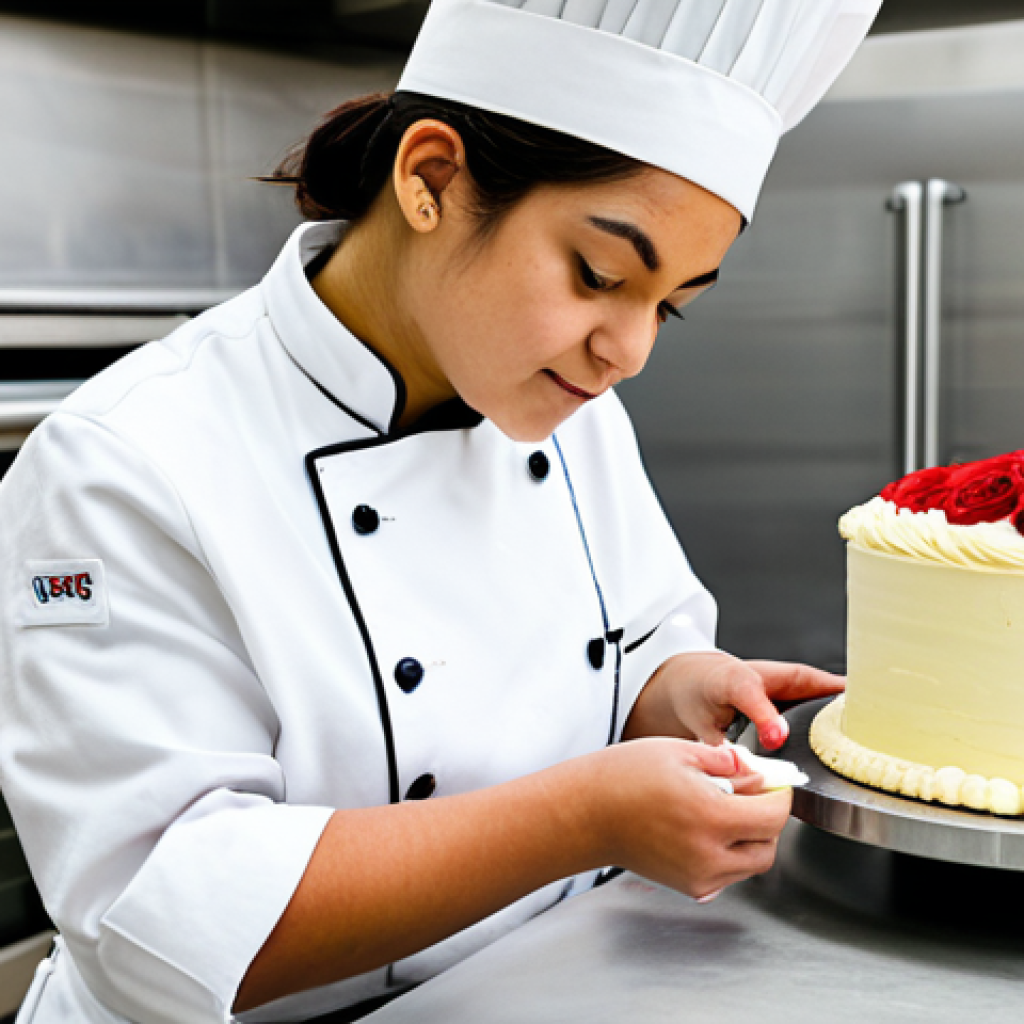
Ever since I decided to whip up more than just basic cookies, the world of pastry arts has completely captivated me. The idea of mastering the science behind baking, creating edible masterpieces that not only taste amazing but look stunning too, is incredibly appealing.
I’ve been looking into professional culinary programs, and it turns out there are tons of amazing options for those wanting to dive deep into the world of pastry.
Recent trends show a huge surge in specialized pastry programs, focusing on everything from vegan baking to elaborate cake decorating techniques, reflecting our evolving tastes and dietary needs.
Experts are even predicting that personalized pastry experiences will become the norm, with bakers catering to individual dietary restrictions and flavor preferences.
It’s a future where your dessert is as unique as you are! Let’s get into the nitty-gritty and find out more about these fascinating programs.
Alright, diving right into the world of pastry education and careers, here’s what you need to know:
Finding Your Sweet Spot: Navigating Pastry Program Options
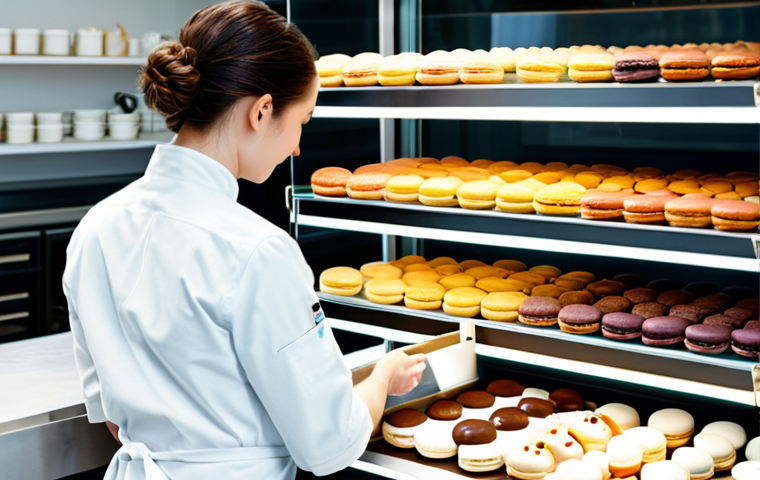
Choosing the right pastry program is a bit like selecting the perfect ingredient – it needs to complement your goals and aspirations. I remember when I was starting out, I felt overwhelmed by the sheer number of options.
There are culinary schools, community colleges, and specialized pastry academies, each offering unique curriculums and experiences.
The Classic Culinary School Route
For a comprehensive foundation, a traditional culinary school often includes a strong pastry arts component. These programs typically cover a wide range of culinary skills, from savory dishes to baking and pastry.
I’ve seen graduates from these programs excel in restaurant kitchens, combining their pastry expertise with broader culinary knowledge. They are like the Swiss Army knives of the food world, capable of handling anything that comes their way.
Specialized Pastry Academies: A Deep Dive
If you’re laser-focused on mastering the art of pastry, specialized academies are your best bet. These institutions offer intensive, hands-on training in all things sweet.
I’ve heard incredible stories from alumni who’ve gone on to open their own bakeries or become renowned pastry chefs at luxury hotels. They often get to work with cutting-edge techniques and equipment, gaining an edge in the competitive pastry world.
Community Colleges: A Budget-Friendly Start
For those on a tighter budget, community colleges can provide a fantastic entry point into the world of pastry. These programs are often more affordable and offer flexible schedules, making them ideal for working adults or those juggling other commitments.
I know a few people who started with community college programs and then transferred to culinary schools for more advanced training. It’s a smart way to dip your toes in without breaking the bank.
Decoding the Curriculum: What to Expect in Pastry School
The curriculum of a pastry program is like a recipe book for success, outlining the skills and knowledge you’ll need to excel in the field. When I was researching schools, I realized that each program has its own unique blend of courses, but there are some core elements you can expect to find.
The Science of Baking: Understanding Ingredients and Techniques
At its core, pastry is a science, and a good program will teach you the fundamentals of how ingredients interact. From understanding gluten development to mastering the art of meringue, you’ll learn the why behind every technique.
I remember one instructor who always emphasized the importance of precision – a single gram of difference could make or break a recipe!
Hands-On Practice: Mastering Essential Skills
Of course, no pastry program would be complete without plenty of hands-on practice. You’ll spend hours in the kitchen, honing your skills in everything from bread baking to cake decorating.
I’ve seen students transform from clumsy beginners to confident artisans, their creations becoming more and more impressive with each passing week.
The Business of Baking: Entrepreneurship and Management
Beyond the technical skills, many programs also incorporate courses on entrepreneurship and management. You’ll learn about menu planning, cost control, and marketing, preparing you for the realities of running your own bakery or pastry business.
I’ve heard success stories of graduates who used this knowledge to launch thriving businesses, proving that a good business sense is just as important as baking talent.
Sweet Success: Career Paths After Pastry School
Once you’ve completed your pastry education, a world of delicious opportunities awaits. The pastry field is diverse and dynamic, with roles ranging from traditional bakery positions to innovative restaurant concepts.
Bakeries and Cafés: The Classic Route
Many pastry graduates find their first jobs in bakeries and cafes, gaining experience in a fast-paced environment. I remember one pastry chef telling me that working in a bakery is like a trial by fire – you have to be quick, efficient, and able to handle the pressure.
But it’s also incredibly rewarding, as you get to see the joy your creations bring to customers every day.
Restaurants and Hotels: Fine Dining Experiences
For those with a taste for elegance, restaurants and hotels offer the opportunity to create elaborate desserts and contribute to a fine dining experience.
I’ve always admired pastry chefs who can create stunning plated desserts that are both visually appealing and delicious. These roles often require a high level of creativity and attention to detail.
Entrepreneurship: Owning Your Own Sweet Empire
Of course, many pastry graduates dream of opening their own bakeries or pastry shops. This path requires a lot of hard work and dedication, but it also offers the freedom to create your own vision and build a brand from scratch.
I’ve seen entrepreneurs transform their passion for pastry into thriving businesses, becoming beloved figures in their communities.
Building Your Portfolio: Showcasing Your Skills
A portfolio is your culinary resume, a visual representation of your skills and experience. When I was starting out, I didn’t realize how important a portfolio was until I saw how it helped my classmates land their dream jobs.
Documenting Your Creations: High-Quality Photos
First and foremost, your portfolio needs to showcase your best creations through high-quality photos. I’ve learned that good lighting and composition can make all the difference in how your pastries are perceived.
Invest in a good camera or smartphone and learn some basic photography techniques.
Highlighting Diverse Skills: Bread, Cakes, and More
Make sure to include a diverse range of pastries in your portfolio, demonstrating your versatility and expertise. From delicate macarons to elaborate cakes, showcase your ability to master different techniques and styles.
I’ve seen portfolios that focus too heavily on one area, which can limit your appeal to potential employers.
Adding Personal Touches: Showcasing Your Style
Finally, don’t be afraid to add personal touches to your portfolio, showcasing your unique style and creativity. Whether it’s a signature recipe or a unique decorating technique, let your personality shine through.
I’ve always believed that the best pastry chefs are those who can infuse their creations with their own individual flair.
Financing Your Dreams: Understanding Tuition and Costs
Let’s face it: culinary education can be a significant investment. When I was exploring pastry programs, the cost was definitely a major factor in my decision-making process.
Tuition fees, supplies, and living expenses can quickly add up, but there are ways to make your dreams of pastry school more affordable.
Scholarships and Grants: Free Money for Education
One of the best ways to reduce the cost of pastry school is to apply for scholarships and grants. Many culinary schools and organizations offer financial aid to deserving students.
I’ve seen students receive substantial scholarships based on their academic merit, financial need, or culinary talent. Do your research and apply for as many opportunities as possible.
Student Loans: Borrowing for Your Future
If scholarships and grants aren’t enough to cover the cost of pastry school, you may need to consider taking out student loans. There are various types of student loans available, both federal and private.
I’ve learned that it’s important to understand the terms and conditions of each loan before borrowing, including interest rates and repayment options.
Working While Studying: Balancing Education and Employment
Another way to finance your pastry education is to work part-time while studying. Many students find jobs in restaurants, cafes, or bakeries, which not only provide income but also valuable experience.
I’ve known students who worked as servers or dishwashers to support themselves through pastry school. It can be challenging to balance work and studies, but it’s a worthwhile investment in your future.
Staying Ahead of the Curve: Trends in Pastry Arts
The pastry world is constantly evolving, with new trends and techniques emerging all the time. As a pastry professional, it’s important to stay up-to-date on the latest developments to remain competitive and relevant.
Vegan and Gluten-Free Baking: Catering to Dietary Needs
One of the biggest trends in recent years has been the rise of vegan and gluten-free baking. More and more people are adopting plant-based diets or have dietary restrictions, creating a demand for delicious and innovative vegan and gluten-free pastries.
I’ve seen pastry chefs create incredible vegan desserts that are just as satisfying as their traditional counterparts.
Artisanal and Sustainable Ingredients: Quality and Ethics
Consumers are also becoming more conscious of the ingredients used in their food, seeking out artisanal and sustainable options. Pastry chefs are increasingly sourcing local and organic ingredients, supporting small farmers and reducing their environmental impact.
I’ve tasted pastries made with locally sourced honey and fruit that were simply bursting with flavor.
Innovative Techniques: Molecular Gastronomy and Beyond
Finally, pastry chefs are constantly pushing the boundaries of innovation, experimenting with new techniques and ingredients to create unique and memorable desserts.
From molecular gastronomy to 3D printing, the possibilities are endless. I’ve seen pastry chefs create edible sculptures that are both visually stunning and delicious.
| Program Type | Typical Duration | Estimated Cost | Career Focus |
|---|---|---|---|
| Culinary School (with pastry focus) | 2-4 years | $30,000 – $80,000+ | Restaurant pastry chef, catering, culinary management |
| Specialized Pastry Academy | 6 months – 2 years | $15,000 – $50,000 | Bakery pastry chef, cake designer, chocolate specialist |
| Community College | 1-2 years | $5,000 – $15,000 | Entry-level bakery positions, café pastry work |
These are just a few highlights of the exciting world of pastry education and careers. The path to becoming a successful pastry chef is challenging but incredibly rewarding, offering the chance to create delicious art that brings joy to people’s lives.
Alright, diving right into the world of pastry education and careers, here’s what you need to know:
Finding Your Sweet Spot: Navigating Pastry Program Options
Choosing the right pastry program is a bit like selecting the perfect ingredient – it needs to complement your goals and aspirations. I remember when I was starting out, I felt overwhelmed by the sheer number of options. There are culinary schools, community colleges, and specialized pastry academies, each offering unique curriculums and experiences.
The Classic Culinary School Route
For a comprehensive foundation, a traditional culinary school often includes a strong pastry arts component. These programs typically cover a wide range of culinary skills, from savory dishes to baking and pastry. I’ve seen graduates from these programs excel in restaurant kitchens, combining their pastry expertise with broader culinary knowledge. They are like the Swiss Army knives of the food world, capable of handling anything that comes their way.
Specialized Pastry Academies: A Deep Dive
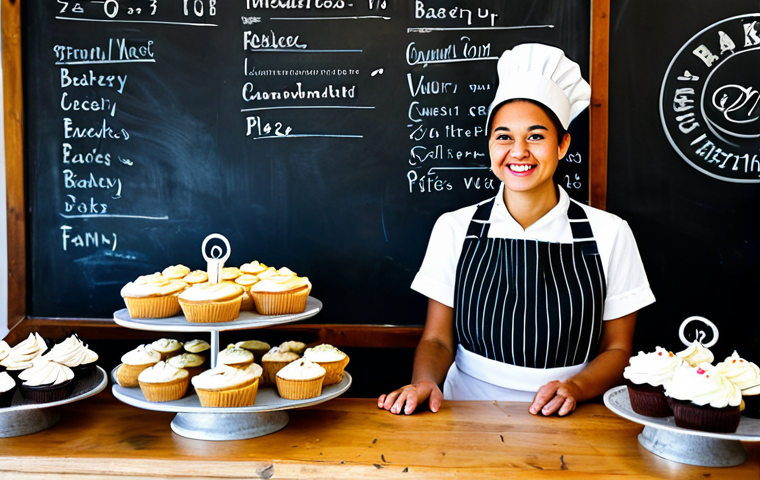
If you’re laser-focused on mastering the art of pastry, specialized academies are your best bet. These institutions offer intensive, hands-on training in all things sweet. I’ve heard incredible stories from alumni who’ve gone on to open their own bakeries or become renowned pastry chefs at luxury hotels. They often get to work with cutting-edge techniques and equipment, gaining an edge in the competitive pastry world.
Community Colleges: A Budget-Friendly Start
For those on a tighter budget, community colleges can provide a fantastic entry point into the world of pastry. These programs are often more affordable and offer flexible schedules, making them ideal for working adults or those juggling other commitments. I know a few people who started with community college programs and then transferred to culinary schools for more advanced training. It’s a smart way to dip your toes in without breaking the bank.
Decoding the Curriculum: What to Expect in Pastry School
The curriculum of a pastry program is like a recipe book for success, outlining the skills and knowledge you’ll need to excel in the field. When I was researching schools, I realized that each program has its own unique blend of courses, but there are some core elements you can expect to find.
The Science of Baking: Understanding Ingredients and Techniques
At its core, pastry is a science, and a good program will teach you the fundamentals of how ingredients interact. From understanding gluten development to mastering the art of meringue, you’ll learn the why behind every technique. I remember one instructor who always emphasized the importance of precision – a single gram of difference could make or break a recipe!
Hands-On Practice: Mastering Essential Skills
Of course, no pastry program would be complete without plenty of hands-on practice. You’ll spend hours in the kitchen, honing your skills in everything from bread baking to cake decorating. I’ve seen students transform from clumsy beginners to confident artisans, their creations becoming more and more impressive with each passing week.
The Business of Baking: Entrepreneurship and Management
Beyond the technical skills, many programs also incorporate courses on entrepreneurship and management. You’ll learn about menu planning, cost control, and marketing, preparing you for the realities of running your own bakery or pastry business. I’ve heard success stories of graduates who used this knowledge to launch thriving businesses, proving that a good business sense is just as important as baking talent.
Sweet Success: Career Paths After Pastry School
Once you’ve completed your pastry education, a world of delicious opportunities awaits. The pastry field is diverse and dynamic, with roles ranging from traditional bakery positions to innovative restaurant concepts.
Bakeries and Cafés: The Classic Route
Many pastry graduates find their first jobs in bakeries and cafes, gaining experience in a fast-paced environment. I remember one pastry chef telling me that working in a bakery is like a trial by fire – you have to be quick, efficient, and able to handle the pressure. But it’s also incredibly rewarding, as you get to see the joy your creations bring to customers every day.
Restaurants and Hotels: Fine Dining Experiences
For those with a taste for elegance, restaurants and hotels offer the opportunity to create elaborate desserts and contribute to a fine dining experience. I’ve always admired pastry chefs who can create stunning plated desserts that are both visually appealing and delicious. These roles often require a high level of creativity and attention to detail.
Entrepreneurship: Owning Your Own Sweet Empire
Of course, many pastry graduates dream of opening their own bakeries or pastry shops. This path requires a lot of hard work and dedication, but it also offers the freedom to create your own vision and build a brand from scratch. I’ve seen entrepreneurs transform their passion for pastry into thriving businesses, becoming beloved figures in their communities.
Building Your Portfolio: Showcasing Your Skills
A portfolio is your culinary resume, a visual representation of your skills and experience. When I was starting out, I didn’t realize how important a portfolio was until I saw how it helped my classmates land their dream jobs.
Documenting Your Creations: High-Quality Photos
First and foremost, your portfolio needs to showcase your best creations through high-quality photos. I’ve learned that good lighting and composition can make all the difference in how your pastries are perceived. Invest in a good camera or smartphone and learn some basic photography techniques.
Highlighting Diverse Skills: Bread, Cakes, and More
Make sure to include a diverse range of pastries in your portfolio, demonstrating your versatility and expertise. From delicate macarons to elaborate cakes, showcase your ability to master different techniques and styles. I’ve seen portfolios that focus too heavily on one area, which can limit your appeal to potential employers.
Adding Personal Touches: Showcasing Your Style
Finally, don’t be afraid to add personal touches to your portfolio, showcasing your unique style and creativity. Whether it’s a signature recipe or a unique decorating technique, let your personality shine through. I’ve always believed that the best pastry chefs are those who can infuse their creations with their own individual flair.
Financing Your Dreams: Understanding Tuition and Costs
Let’s face it: culinary education can be a significant investment. When I was exploring pastry programs, the cost was definitely a major factor in my decision-making process. Tuition fees, supplies, and living expenses can quickly add up, but there are ways to make your dreams of pastry school more affordable.
Scholarships and Grants: Free Money for Education
One of the best ways to reduce the cost of pastry school is to apply for scholarships and grants. Many culinary schools and organizations offer financial aid to deserving students. I’ve seen students receive substantial scholarships based on their academic merit, financial need, or culinary talent. Do your research and apply for as many opportunities as possible.
Student Loans: Borrowing for Your Future
If scholarships and grants aren’t enough to cover the cost of pastry school, you may need to consider taking out student loans. There are various types of student loans available, both federal and private. I’ve learned that it’s important to understand the terms and conditions of each loan before borrowing, including interest rates and repayment options.
Working While Studying: Balancing Education and Employment
Another way to finance your pastry education is to work part-time while studying. Many students find jobs in restaurants, cafes, or bakeries, which not only provide income but also valuable experience. I’ve known students who worked as servers or dishwashers to support themselves through pastry school. It can be challenging to balance work and studies, but it’s a worthwhile investment in your future.
Staying Ahead of the Curve: Trends in Pastry Arts
The pastry world is constantly evolving, with new trends and techniques emerging all the time. As a pastry professional, it’s important to stay up-to-date on the latest developments to remain competitive and relevant.
Vegan and Gluten-Free Baking: Catering to Dietary Needs
One of the biggest trends in recent years has been the rise of vegan and gluten-free baking. More and more people are adopting plant-based diets or have dietary restrictions, creating a demand for delicious and innovative vegan and gluten-free pastries. I’ve seen pastry chefs create incredible vegan desserts that are just as satisfying as their traditional counterparts.
Artisanal and Sustainable Ingredients: Quality and Ethics
Consumers are also becoming more conscious of the ingredients used in their food, seeking out artisanal and sustainable options. Pastry chefs are increasingly sourcing local and organic ingredients, supporting small farmers and reducing their environmental impact. I’ve tasted pastries made with locally sourced honey and fruit that were simply bursting with flavor.
Innovative Techniques: Molecular Gastronomy and Beyond
Finally, pastry chefs are constantly pushing the boundaries of innovation, experimenting with new techniques and ingredients to create unique and memorable desserts. From molecular gastronomy to 3D printing, the possibilities are endless. I’ve seen pastry chefs create edible sculptures that are both visually stunning and delicious.
| Program Type | Typical Duration | Estimated Cost | Career Focus |
|---|---|---|---|
| Culinary School (with pastry focus) | 2-4 years | $30,000 – $80,000+ | Restaurant pastry chef, catering, culinary management |
| Specialized Pastry Academy | 6 months – 2 years | $15,000 – $50,000 | Bakery pastry chef, cake designer, chocolate specialist |
| Community College | 1-2 years | $5,000 – $15,000 | Entry-level bakery positions, café pastry work |
Wrapping Up
Embarking on a pastry career is an exciting journey filled with opportunities for creativity and growth. From choosing the right program to mastering essential skills and staying current with industry trends, there’s a lot to consider. Remember, with passion, dedication, and a sprinkle of hard work, you can create a sweet future for yourself in the world of pastry. Now, go bake the world a better place!
Good to Know
1. Network with professionals: Attend industry events and connect with chefs to learn about opportunities.
2. Practice consistently: The more you bake, the better you’ll become at mastering techniques and flavors.
3. Stay inspired: Follow pastry blogs, chefs, and social media accounts for inspiration and new ideas.
4. Perfect your portfolio: Ensure your portfolio showcases your best work and reflects your unique style.
5. Consider internships: Internships provide real-world experience and can lead to full-time job offers.
Key Takeaways
Choosing the right pastry program is crucial for your career aspirations.
A strong portfolio showcasing your skills is essential for job opportunities.
Staying updated with the latest trends in pastry arts keeps you competitive.
Networking and gaining practical experience are vital for success.
Financing your education requires planning and exploring various options.
Frequently Asked Questions (FAQ) 📖
Q: What kind of career options open up after completing a specialized pastry program?
A: Honestly, the possibilities are as delightful as the pastries themselves! After finishing a pastry program, you could become a pastry chef at a high-end restaurant, start your own bakery or dessert shop (a dream of mine!), work as a food stylist for magazines or TV, or even become a chocolatier crafting exquisite chocolates.
Plus, with the rise in popularity of baking shows, you might even find yourself competing on one someday! I’ve also seen some grads become pastry instructors, sharing their knowledge with the next generation of bakers.
Q: Are these pastry programs really worth the investment, considering the cost and time commitment?
A: That’s a totally valid question. I wrestled with that myself! From what I’ve gathered, a good pastry program isn’t just about learning recipes; it’s about understanding the ‘why’ behind baking.
It’s the difference between following a recipe and creating your own. Plus, these programs often offer networking opportunities with industry professionals, which can be invaluable when you’re trying to break into the field.
It’s an investment in your passion, sure, but it’s also an investment in your future career if you’re serious about making a living doing what you love.
Think of it like this: a well-made cake costs more for a reason – the quality of ingredients and the skill of the baker!
Q: With so many programs available, how do I choose the right pastry program for me?
A: Okay, this is the big one! When I started looking, I felt totally overwhelmed. First, figure out what you’re most passionate about: is it cake decorating, artisan breads, or maybe chocolate?
Then, research programs that specialize in those areas. Don’t just look at the curriculum; check out the instructors’ backgrounds and see if they have real-world experience.
Visit the school if you can, or at least connect with current students or alumni to get their honest opinions. Finally, think about location and cost.
A prestigious school in a big city might offer amazing opportunities, but it also comes with a hefty price tag. It’s all about finding the right fit for your goals, your budget, and your personality.
Good luck with your decision!
📚 References
Wikipedia Encyclopedia
구글 검색 결과
구글 검색 결과
구글 검색 결과
구글 검색 결과
구글 검색 결과