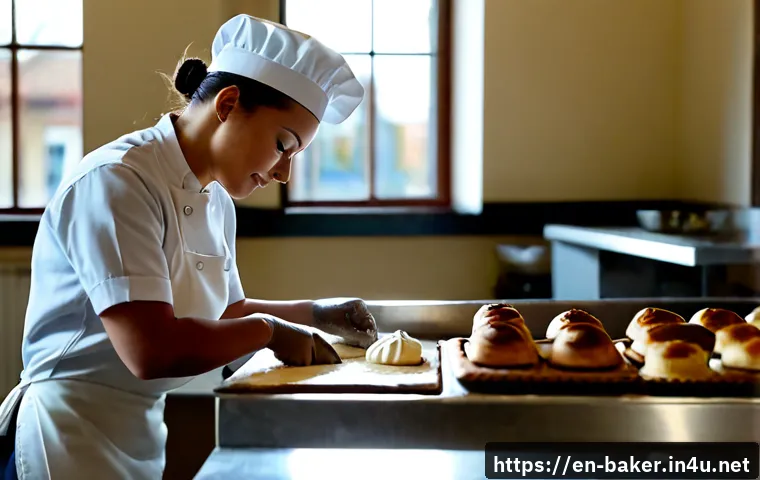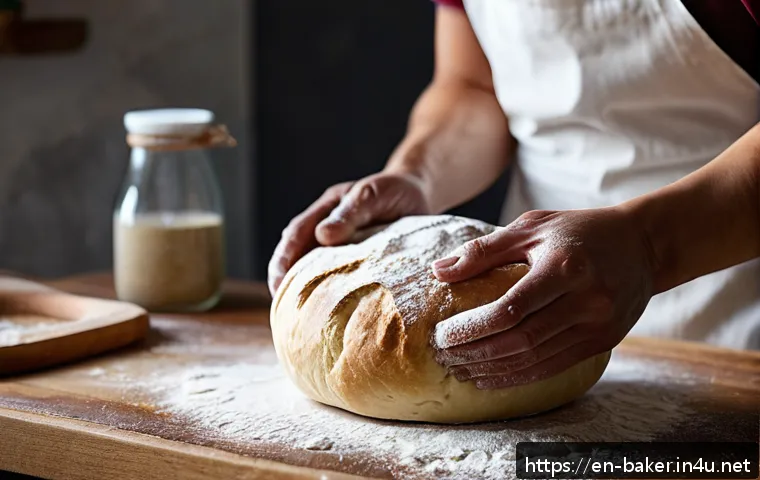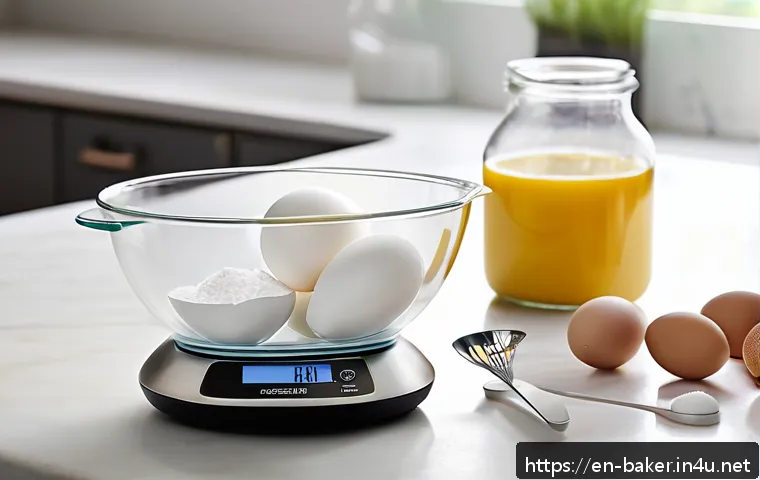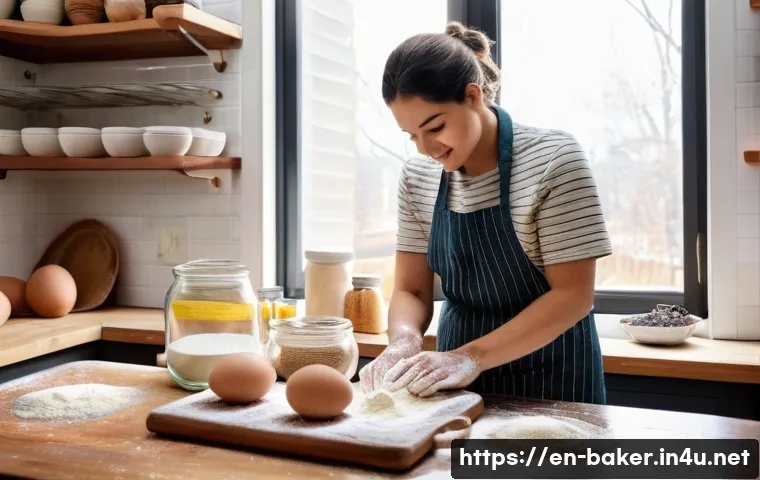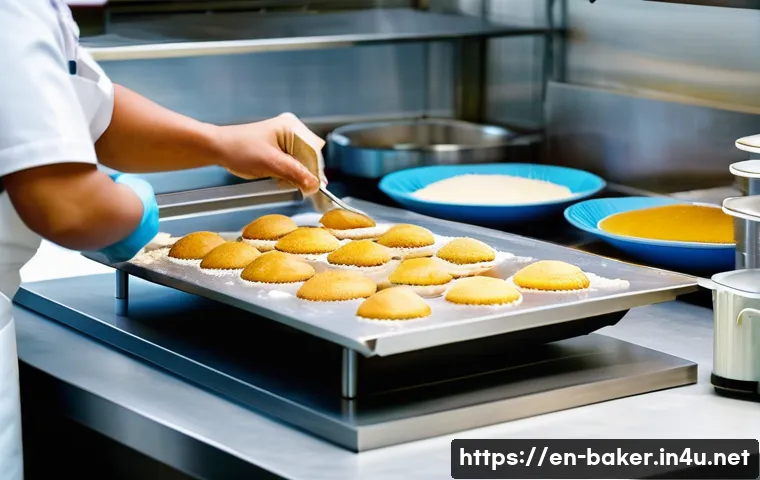
Crafting the perfect pastry or bread is both an art and a science, and recipe developers play a crucial role in this delicious journey. They blend creativity with precise measurements, experimenting with ingredients to achieve that ideal texture and flavor.
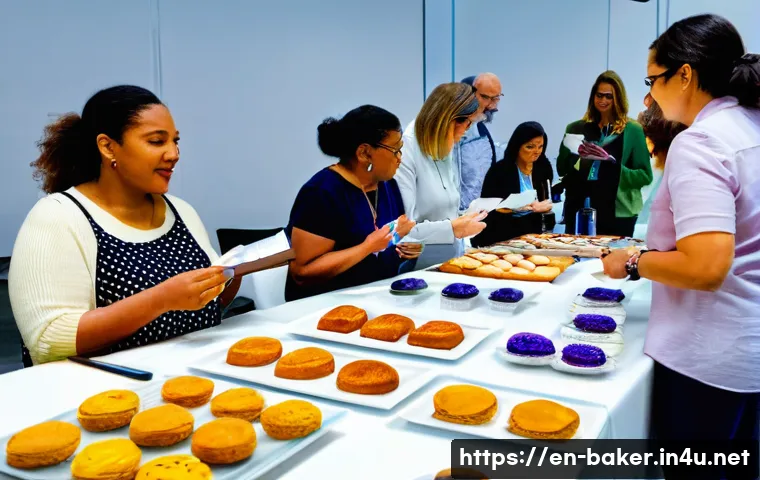
Beyond just baking, these experts consider trends, dietary needs, and production efficiency to create recipes that delight customers and meet business goals.
Having hands-on experience in test kitchens, they refine each detail to ensure consistent results. Curious about what goes into the daily life of a bakery recipe developer?
Let’s dive in and explore the details together!
Balancing Creativity with Precise Formulation
Experimenting with Ingredient Ratios
One of the most fascinating parts of recipe development is the constant tinkering with ingredient proportions. From flour types to fat content, every tweak can drastically alter the final product.
I’ve often found myself adjusting hydration levels by just a few percentage points to get that perfect crumb in bread or the right flakiness in pastries.
This trial-and-error process requires patience and a keen eye because even small changes can affect texture, rise, and flavor balance. It’s not just about throwing ingredients together; it’s about understanding how each element interacts and complements the others.
Incorporating Flavor Profiles and Trends
Staying ahead means blending traditional flavors with current trends. For instance, incorporating superfoods like matcha or turmeric into doughs is popular now, but the challenge is maintaining the expected texture and baking properties.
I’ve personally had to adjust baking times and temperatures when adding new ingredients to prevent dryness or over-browning. Balancing innovative flavors while keeping the product approachable for a broad audience is a tightrope walk, but it’s incredibly rewarding when customers respond positively.
Ensuring Consistency Through Detailed Documentation
Consistency is king in bakery production. I make it a point to meticulously document every test batch, noting exact ingredient weights, environmental conditions, and timing.
This detailed record-keeping is what allows recipes to be scaled up from a test kitchen to full production without losing quality. It also helps when troubleshooting issues like dough that’s too sticky or bread that doesn’t rise properly.
The discipline of precise documentation ensures that each batch delivers the same delightful experience to customers.
Navigating Dietary Restrictions and Health Trends
Formulating Gluten-Free and Vegan Options
The demand for allergen-friendly recipes is growing rapidly, and recipe developers must get creative to meet these needs without sacrificing taste or texture.
Developing gluten-free breads, for example, involves substituting traditional flours with alternatives like rice, almond, or oat flours, and adjusting binders to mimic gluten’s elasticity.
I’ve found that combining multiple gluten-free flours and adding ingredients like psyllium husk helps create a more satisfying crumb. Similarly, crafting vegan pastries means replacing butter and eggs with plant-based fats and emulsifiers, which can be tricky but very fulfilling when done right.
Balancing Nutrition and Indulgence
It’s a delicate dance to create recipes that are both health-conscious and indulgent. Reducing sugar or fat content can affect not only flavor but also the structure and shelf life of baked goods.
Through extensive testing, I’ve learned to use natural sweeteners and healthy fats that maintain moisture and richness. This way, customers don’t feel like they’re missing out on anything indulgent while making healthier choices.
Achieving this balance often requires multiple iterations and taste tests to get the right harmony.
Adapting to Regional Preferences
Health trends vary widely by region, so tailoring recipes to local tastes is essential. For example, low-sugar options might be more popular in some areas, while others prioritize organic or non-GMO ingredients.
I always research regional consumer data and sometimes run small focus groups to understand these preferences better. This localized approach makes recipes more appealing and commercially viable, as it respects cultural nuances and dietary habits.
Optimizing Recipes for Production Efficiency
Streamlining Ingredient Sourcing and Costs
Developing recipes isn’t just about taste; it’s also about cost-effectiveness and supply chain reliability. I frequently analyze ingredient availability and pricing to ensure that recipes remain profitable without compromising quality.
For example, substituting rare or expensive ingredients with more accessible alternatives can keep costs down. I’ve worked closely with suppliers to secure consistent sources of key ingredients, which is vital for maintaining steady production schedules.
Scaling Recipes from Test Kitchen to Commercial Bakery
Scaling up is a complex challenge. What works in a small batch often behaves differently when baked in large ovens or mixed in industrial mixers. I’ve learned that adjustments in mixing times, baking temperatures, and proofing durations are necessary during scale-up.
Pilot runs are essential to identify these changes early. My hands-on involvement during this phase ensures that the final product matches the original vision and meets production timelines.
Minimizing Waste and Enhancing Shelf Life
Reducing waste is a priority both for sustainability and cost control. I experiment with ingredient combinations and preservatives that extend shelf life without artificial additives.
For example, incorporating natural antioxidants or adjusting moisture content can significantly improve freshness. I also design recipes that allow for efficient use of leftover dough or scraps, turning potential waste into secondary products like croutons or biscotti.
Mastering the Art of Sensory Evaluation
Conducting Taste Tests and Feedback Sessions
An essential part of recipe development is gathering real-world feedback. I organize taste panels with diverse participants to evaluate flavor, texture, and appearance.
Observing their reactions and listening to detailed comments helps me understand how the recipe performs across different palates. Sometimes, a subtle tweak in sweetness or crust crispness makes a big difference in consumer satisfaction.
This iterative feedback loop is critical to refining recipes.
Training Sensory Teams for Consistency
To maintain high standards, I’ve trained sensory evaluation teams on how to assess baked goods systematically. We use standardized scoring sheets covering attributes like aroma, mouthfeel, and aftertaste.
This structured approach removes subjectivity and provides actionable insights. It’s rewarding to see how trained evaluators can pinpoint subtle flaws or strengths that casual tasters might miss, guiding continuous improvement.
Leveraging Technology in Sensory Analysis
Modern tools like texture analyzers and electronic noses complement human sensory panels. I’ve incorporated these technologies to measure parameters such as crumb firmness or volatile aroma compounds, which correlate with perceived quality.
Combining objective data with subjective feedback provides a comprehensive understanding of the product. This blend of science and human perception ensures that recipes not only look good on paper but also deliver an exceptional eating experience.
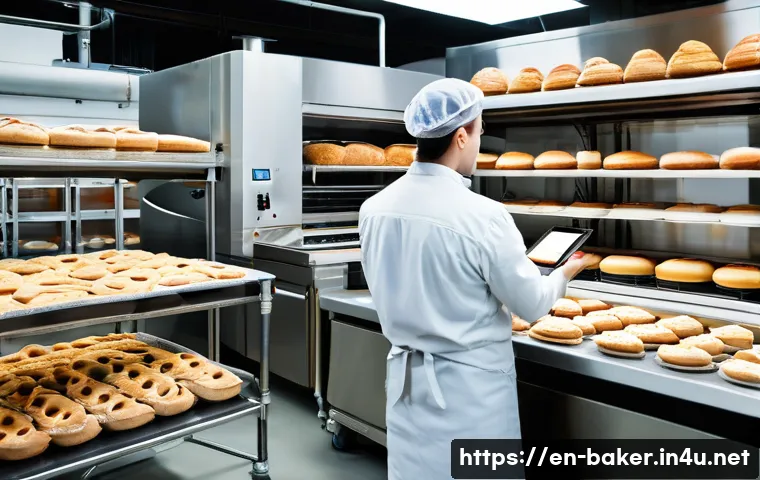
Collaborating Across Departments for Seamless Launches
Working with Marketing and Product Teams
Recipe development doesn’t happen in isolation. Close collaboration with marketing teams ensures that new products align with brand messaging and customer expectations.
I often participate in brainstorming sessions to understand market positioning and suggest recipe adjustments that support promotional themes. This partnership helps create cohesive campaigns that highlight unique product attributes, driving stronger customer interest.
Coordinating with Production and Quality Control
Ensuring smooth production is a team effort. I work hand-in-hand with manufacturing staff to troubleshoot any issues during initial runs and adjust processes accordingly.
Quality control teams provide critical data on product consistency and safety, informing recipe tweaks. This cross-functional communication minimizes delays and helps maintain high standards from the first batch to full-scale production.
Managing Timelines and Deliverables
Meeting deadlines is crucial in fast-paced bakery environments. I develop detailed project plans outlining testing phases, approvals, and launch dates.
Prioritizing tasks and maintaining clear communication with all stakeholders keeps projects on track. My experience has taught me that flexibility is key—sometimes unexpected challenges arise, and quick problem-solving ensures timely delivery without sacrificing quality.
Understanding Ingredient Science for Better Results
Role of Leavening Agents and Fermentation
Leavening is at the heart of bread and pastry texture. Understanding how yeast, baking soda, and baking powder work differently helps me tailor recipes for specific outcomes.
For example, yeast fermentation not only produces gas for rise but also develops flavor over time. I’ve experimented with varying fermentation lengths to achieve deeper complexity or quicker turnaround, depending on production needs.
Impact of Fats and Sugars on Texture
Fats contribute tenderness and flakiness, while sugars affect sweetness and moisture retention. I’ve found that switching from butter to oils or shortening changes the mouthfeel significantly.
Similarly, different types of sugar—granulated, brown, honey—alter browning and crumb softness. Balancing these ingredients is a delicate science that I approach with both intuition and testing.
Water Quality and Temperature Effects
Water might seem simple, but its mineral content and temperature can influence dough development. Hard water can strengthen gluten, while soft water may result in weaker doughs.
Temperature control during mixing and proofing is equally critical. I always monitor these variables closely during recipe trials to ensure predictable and optimal results.
Using Data Analytics to Refine Recipes
Tracking Batch Performance Metrics
Collecting data on bake times, yields, and customer feedback allows me to identify patterns and areas for improvement. For instance, if a particular batch shows inconsistent volume or texture, I investigate possible causes such as ingredient variance or environmental changes.
Over time, this data-driven approach helps fine-tune recipes for maximum reliability.
Applying Consumer Insights to Product Development
Analyzing sales trends and customer reviews provides valuable clues about preferences and potential gaps in the product line. I use this information to prioritize new recipe concepts or reformulations that better meet market demands.
This strategic use of consumer data ensures that product development efforts are aligned with business goals.
Leveraging Software for Recipe Management
Modern recipe management tools enable precise control over ingredient specifications, allergen tracking, and version history. I rely on these platforms to collaborate with teams, update formulations, and ensure regulatory compliance.
Using technology streamlines workflows and reduces errors, allowing me to focus more on creativity and quality.
| Key Factors in Recipe Development | Considerations | Impact on Final Product |
|---|---|---|
| Ingredient Ratios | Flour type, hydration, fat content | Texture, rise, crumb structure |
| Dietary Restrictions | Gluten-free, vegan, low-sugar | Flavor adjustments, binding, moisture |
| Production Scaling | Batch size, equipment, timing | Consistency, efficiency, cost |
| Sensory Evaluation | Taste panels, texture analysis | Consumer satisfaction, quality control |
| Collaboration | Marketing, production, quality control | Product success, smooth launch |
| Ingredient Science | Leavening, fats, sugars, water quality | Flavor, texture, appearance |
| Data Analytics | Batch metrics, consumer insights | Recipe refinement, market fit |
In Closing
Developing recipes is a dynamic journey that blends creativity with scientific precision. Through continuous experimentation, collaboration, and data analysis, it’s possible to craft products that delight customers and meet business goals. Embracing both tradition and innovation ensures recipes remain relevant and successful in a competitive market.
Useful Information to Keep in Mind
1. Small changes in ingredient ratios can have a significant impact on texture and flavor, so patience and detailed testing are key.
2. Catering to dietary restrictions like gluten-free and vegan options requires thoughtful substitutions to maintain quality.
3. Scaling recipes from test kitchens to large production demands adjustments in timing and equipment to preserve consistency.
4. Sensory evaluation, combining human feedback and technology, is essential for refining product appeal.
5. Collaborating closely with marketing, production, and quality control teams helps ensure smooth product launches and customer satisfaction.
Key Takeaways for Successful Recipe Development
Recipe development thrives on balancing innovation with precision, ensuring every ingredient and process contributes to the desired outcome. Documenting experiments thoroughly supports consistency, while adapting to dietary trends and regional preferences expands market reach. Efficient scaling and waste reduction boost profitability, and leveraging sensory feedback alongside data analytics sharpens product quality. Ultimately, strong cross-department collaboration is vital for turning creative ideas into commercially successful baked goods.
Frequently Asked Questions (FAQ) 📖
Q: What skills are essential for a bakery recipe developer to succeed?
A: A bakery recipe developer needs a unique blend of creativity and scientific understanding. Precision in measuring ingredients and knowledge of baking chemistry are crucial to achieve consistent results.
Hands-on experience in test kitchens helps refine techniques and troubleshoot issues. Additionally, staying updated with food trends, dietary restrictions, and production methods ensures their recipes are both innovative and practical for commercial use.
Communication skills are also vital since developers often collaborate with chefs, marketers, and suppliers.
Q: How do bakery recipe developers balance creativity with meeting business goals?
A: From my experience, recipe developers constantly juggle artistic expression and business realities. While creativity drives the development of unique flavors and textures, they must also consider cost-efficiency, ingredient availability, and production scalability.
For instance, a recipe might taste amazing but needs adjustments to reduce expensive ingredients or simplify steps for mass production. Developers often test multiple iterations, seeking that sweet spot where the product delights customers without compromising profitability or operational feasibility.
Q: What does a typical day look like for a bakery recipe developer?
A: A typical day is a dynamic mix of experimentation, analysis, and collaboration. Mornings might start in the test kitchen, baking and tweaking recipes based on previous results or new ideas.
Afternoons often involve documenting formulations, analyzing ingredient performance, or consulting with quality control teams to ensure consistency. Developers also spend time researching market trends and customer feedback to inspire new creations.
It’s a hands-on, detail-oriented role that requires both patience and passion to bring delicious products from concept to bakery shelves.