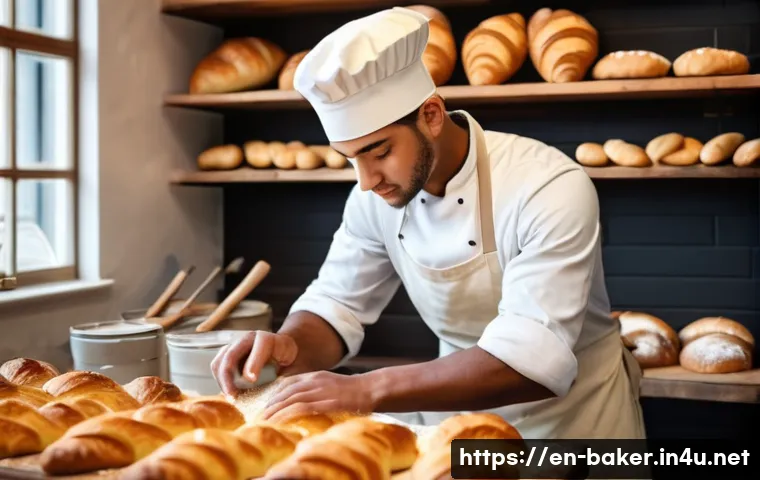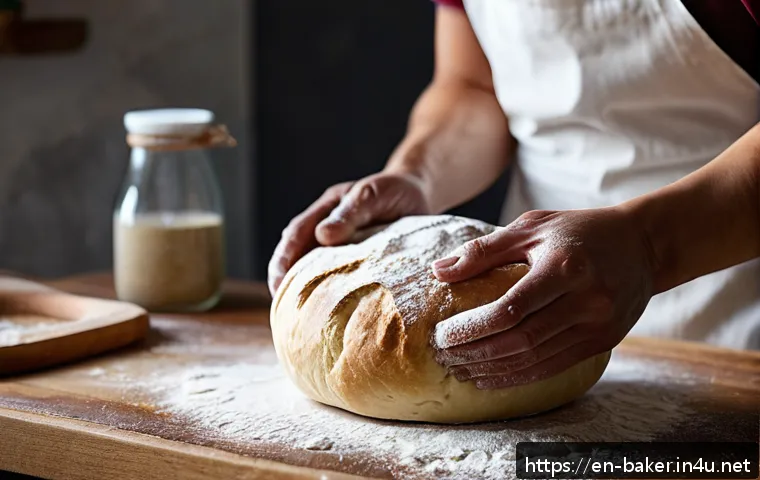
Baking trends are evolving faster than ever, with home bakers and professionals alike seeking new ways to elevate their craft. In this fast-paced world, nothing beats the value of hands-on experience when it comes to mastering pastry arts.
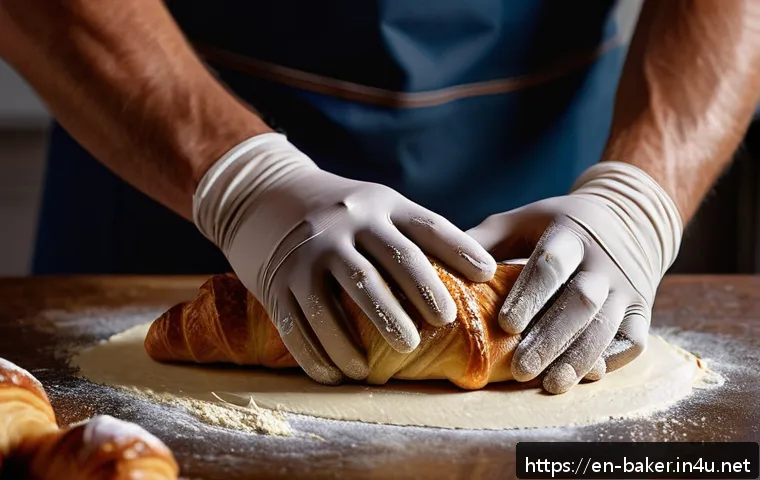
From perfecting delicate doughs to understanding subtle flavor balances, rolling up your sleeves and getting into the kitchen is truly where the magic begins.
If you’ve ever wondered why some bakers seem effortlessly skilled, the secret often lies beyond textbooks and videos—it’s all about real-world practice.
Let’s dive into why hands-on baking is the essential ingredient that transforms passion into pastry perfection.
Building Intuition Through Repetition
Understanding Dough Behavior in Real Time
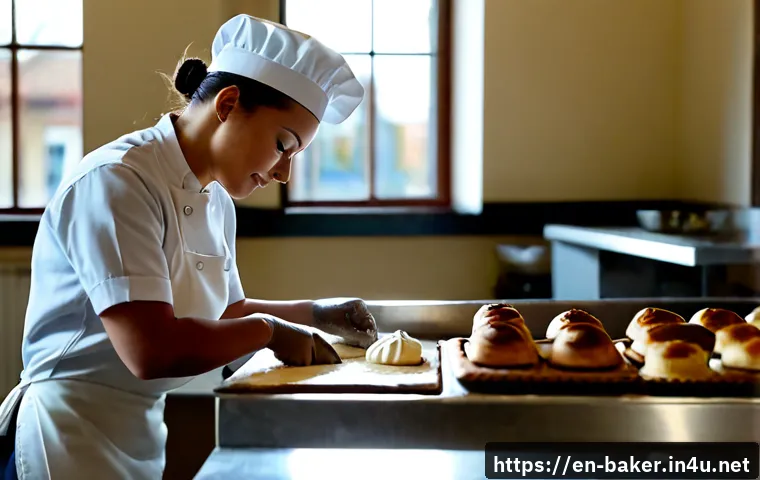
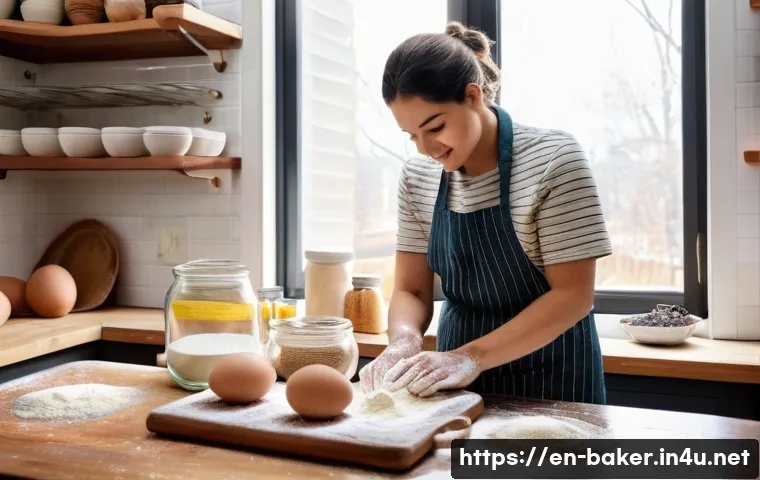
When you first start working with dough, it’s easy to get overwhelmed by all the technical terms and precise measurements. But nothing beats the feeling of your hands kneading dough and sensing its elasticity, softness, or stickiness firsthand.
Over time, repeated practice helps you develop an intuition that no textbook can teach. You begin to predict how a dough will react based on subtle changes in humidity or flour quality.
I remember countless mornings where my dough felt just a bit off, and only after adjusting hydration or kneading time did it transform into the perfect base for my bread.
This kind of tactile feedback is invaluable and comes only from consistent, hands-on experience.
Mastering Timing and Temperature Sensitivity
Baking is all about timing — knowing exactly when your dough has proofed enough or when your pastry is ready to come out of the oven. While recipes give guidelines, real-world baking requires you to read signs like slight browning, aroma changes, or texture shifts.
I once left a batch of croissants in the oven a few minutes too long, and the difference was night and day. That experience taught me to listen to my senses rather than rely solely on timers.
This sensory learning is only possible when you’re actively engaged in the process, observing and adjusting in real time.
Adapting to Variations in Ingredients and Environment
No two kitchens are the same. Your local flour brand, water mineral content, and even your oven’s quirks impact how your baked goods turn out. Hands-on baking forces you to adapt recipes and techniques to suit your unique conditions.
For example, I’ve learned that my home oven runs hotter than most, so I reduce baking temperature by 10 degrees to avoid burning. This kind of personal adjustment can’t be learned passively — it takes trial, error, and a willingness to experiment in your own space.
The Role of Sensory Memory in Baking Success
Training Your Palate Beyond the Recipe
A recipe might list ingredients and quantities, but it can’t tell you exactly how the final product should taste or feel. Developing sensory memory means recognizing the right balance of sweetness, saltiness, and texture through repeated tasting and tweaking.
When I was perfecting my lemon tart, I kept adjusting sugar levels and crust thickness based on how my palate perceived each batch. This kind of feedback loop is crucial and only happens when you bake regularly and mindfully.
Visual and Tactile Cues as Decision-Making Tools
Experienced bakers learn to “read” their dough or batter by sight and touch. Is the surface glossy or dull? Does the dough spring back when pressed?
These cues inform the next step, like whether to knead more or proceed to baking. I recall moments when my dough looked perfect but felt too wet, prompting me to add a bit more flour.
These subtle sensory cues become second nature after repeated practice, turning baking from guesswork into a confident craft.
Building Confidence Through Trial and Error
Nothing builds confidence quite like making mistakes and learning from them. I still remember my first failed batch of puff pastry — the layers didn’t separate, and the texture was dense.
Instead of giving up, I analyzed what went wrong, adjusted my rolling technique, and tried again. Over time, these small setbacks became stepping stones, helping me trust my instincts and improve continuously.
This confidence is only gained through direct, hands-on engagement with the baking process.
Collaborative Learning and Real-Time Problem Solving
Learning From Experienced Bakers in the Kitchen
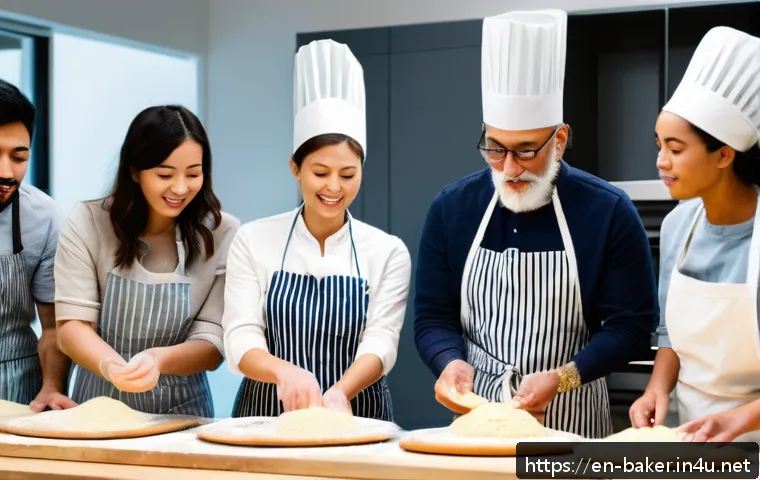
There’s a unique energy in a busy bakery or cooking class where you can watch seasoned bakers work and ask questions on the spot. Observing their techniques and hearing tips as they bake provides insights that you won’t find in books or videos.
When I took a weekend pastry workshop, the instructor’s real-time feedback on my croissant folds helped me immediately correct mistakes and understand the importance of each step.
This kind of collaborative environment accelerates learning exponentially.
Adapting on the Fly When Things Don’t Go as Planned
In real baking scenarios, unexpected things happen — ovens fluctuate, ingredients vary, or timing gets tight. Hands-on experience trains you to think quickly and adapt.
I once had a last-minute order for birthday cupcakes when my mixer broke down. I had to hand-mix the batter and adjust baking times, which taught me the value of flexibility and problem-solving under pressure.
These skills are vital and come only from being actively involved in real baking situations.
Sharing Knowledge and Receiving Constructive Feedback
Baking alongside others opens opportunities to exchange ideas and receive honest feedback. When I started sharing my recipes with a local baking group, their critiques helped me refine techniques and flavors I hadn’t noticed before.
This exchange deepens your understanding and pushes your skills forward in ways solo practice cannot match.
Understanding Ingredient Interactions Beyond Theory
Seeing How Ingredients React Under Different Conditions
Flour, fat, sugar, eggs — each ingredient behaves differently depending on temperature, mixing method, and combination. Hands-on baking lets you witness these interactions firsthand.
For example, I learned that adding butter too cold to dough results in uneven layers, whereas slightly softened butter creates that perfect flakiness.
These lessons come from experience rather than just reading about chemistry in a cookbook.
Experimenting with Substitutions and Flavor Enhancements
When you’re baking regularly, you develop the confidence to experiment with ingredient swaps or adding new flavors. I often swap out half the white flour for whole wheat to add texture or toss in unexpected spices like cardamom for warmth.
Trying these variations in a real kitchen setting helps you understand how flavors meld and how dough consistency changes, enabling you to create unique, personalized recipes.
Recognizing When Ingredients Compete or Complement
Some flavors or textures clash, while others elevate each other. Hands-on practice teaches you to balance these elements intuitively. For instance, pairing tangy citrus with rich buttercream requires careful sweetness adjustment.
Baking repeatedly allows you to fine-tune these balances, something that reading alone cannot achieve.
Developing Speed and Efficiency in the Kitchen
Streamlining Processes Through Muscle Memory
With hands-on baking, repetitive motions like folding dough or piping batter become automatic. This muscle memory not only speeds up your workflow but also reduces errors.
I found that after baking croissants multiple times, my hands naturally knew the exact pressure and angle for each fold without conscious thought, making the process smoother and less stressful.
Organizing Your Workspace for Maximum Productivity
Experience teaches you how to set up your kitchen for efficiency—knowing where tools and ingredients belong, and preparing mise en place before starting.
When I bake professionally, I lay out everything meticulously, which saves precious minutes and keeps me focused. This organizational skill develops only through practice and reflection on what works best for your style.
Handling Multiple Tasks Without Losing Focus
Baking often involves juggling various steps simultaneously, like proofing dough while preparing fillings. Hands-on experience builds your ability to multitask effectively without compromising quality.
I’ve learned to trust my timing and prioritize tasks, which helps me avoid common pitfalls like overproofing or burnt crusts during busy baking sessions.
Practical Troubleshooting Skills That Books Can’t Teach
Identifying Problems Quickly and Correctly
When a recipe doesn’t turn out as expected, it’s crucial to pinpoint the cause fast. Hands-on baking sharpens your diagnostic skills—you learn to distinguish whether an issue stems from ingredient quality, mixing technique, or oven temperature.
For example, when my bread didn’t rise, I realized it was due to expired yeast, a lesson that stuck with me for good.
Implementing Fixes in the Moment
Knowing what went wrong is one thing; fixing it immediately is another. Experience empowers you to apply solutions on the fly. I remember rescuing a soggy pie crust by blind baking it longer and adjusting filling moisture next time.
These quick interventions come only from having faced similar challenges firsthand.
Documenting and Learning From Mistakes
Keeping notes on what worked and what didn’t helps build a personal baking reference. I keep a journal with comments on dough texture, baking times, and flavor tweaks after each session.
This habit turns mistakes into valuable lessons, creating a feedback loop that continuously improves your baking craft.
| Aspect | Hands-On Experience Benefits | Example from Personal Baking |
|---|---|---|
| Dough Handling | Develops tactile intuition for texture and elasticity | Adjusting hydration based on dough stickiness during kneading |
| Timing | Improves ability to judge proofing and baking completion | Removing croissants just as golden brown aroma emerges |
| Ingredient Adaptation | Enables recipe customization for local conditions | Lowering oven temperature due to hotter home oven |
| Sensory Memory | Enhances palate for balanced flavors and textures | Tweaking sugar levels in lemon tart after tasting each batch |
| Troubleshooting | Builds quick problem identification and fixes | Recognizing expired yeast caused poor bread rise |
Closing Thoughts
Hands-on baking is more than following recipes; it’s about developing a deep connection with the ingredients, tools, and environment. Through repeated practice, sensory awareness, and learning from mistakes, you gain confidence and skill that no book alone can provide. Embrace the process, experiment freely, and let your intuition guide you to baking success.
Helpful Information to Keep in Mind
1. Consistency in practice is key to building intuition and improving your baking skills over time.
2. Pay close attention to sensory cues like texture, aroma, and color to know when your dough or pastry is ready.
3. Adapt recipes based on your local ingredients and kitchen environment for the best results.
4. Don’t be afraid to experiment with flavors and ingredient substitutions to personalize your creations.
5. Keep a baking journal to track what works, what doesn’t, and to learn from your experiences.
Key Takeaways for Successful Baking
Building hands-on experience is essential to mastering baking—it sharpens your ability to sense dough behavior, manage timing, and troubleshoot problems efficiently. Developing sensory memory helps you fine-tune flavors and textures, while collaborative learning and adapting on the fly strengthen your problem-solving skills. Organizing your workspace and streamlining techniques enhance speed and productivity, making the baking process smoother and more enjoyable. Ultimately, the blend of intuition, experimentation, and reflection transforms baking from a task into an art.
Frequently Asked Questions (FAQ) 📖
Q: uestionsQ1: Why is hands-on experience so important in baking compared to just following recipes or watching tutorials?
A: Hands-on experience in baking goes beyond simply following steps; it helps you develop a feel for dough texture, timing, and subtle adjustments that no recipe can fully capture.
When you actually work with ingredients and encounter real-time challenges, you learn to adapt and make decisions that improve your results. From my own experience, those moments when you have to troubleshoot—like adjusting hydration or temperature—are where true mastery begins.
It’s the difference between baking a good loaf and consistently creating bakery-quality goods.
Q: How can beginners build confidence in hands-on baking without feeling overwhelmed?
A: Starting small and focusing on one technique at a time is key. For example, try mastering a simple pastry or bread recipe repeatedly until you feel comfortable with the process.
I found that dedicating time to practice specific skills, like kneading or folding dough, helped me build muscle memory and intuition. Also, don’t be afraid to make mistakes—they’re essential learning moments.
Keeping a baking journal to note what worked or didn’t can boost your confidence and guide your next attempt. Remember, patience and persistence are your best friends in the kitchen.
Q: What are some practical ways to incorporate hands-on practice into a busy schedule?
A: Even with limited time, you can sneak in hands-on baking by planning shorter, manageable projects. For instance, preparing dough the night before or baking smaller batches allows you to practice without a huge time commitment.
I personally set aside weekends for more involved recipes, but during weekdays, I focus on quick techniques like shaping or decorating. Another tip is to combine baking with social activities—bake with friends or family, turning it into a fun, shared experience that motivates consistent practice.
Making baking a regular, enjoyable habit is more effective than sporadic marathon sessions.