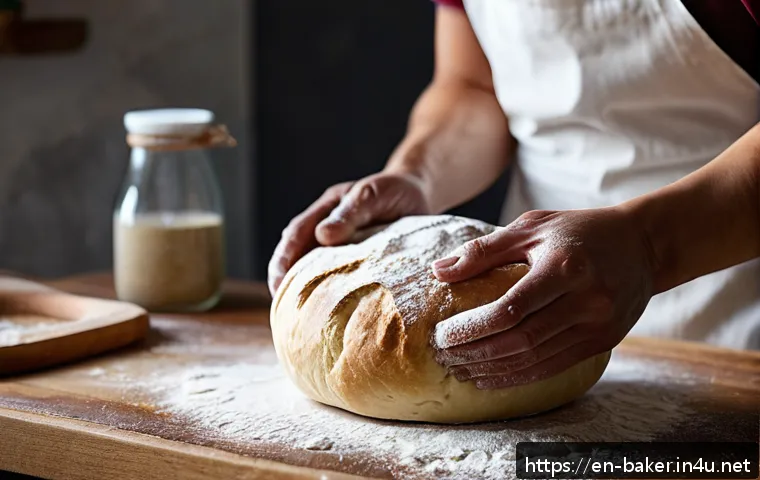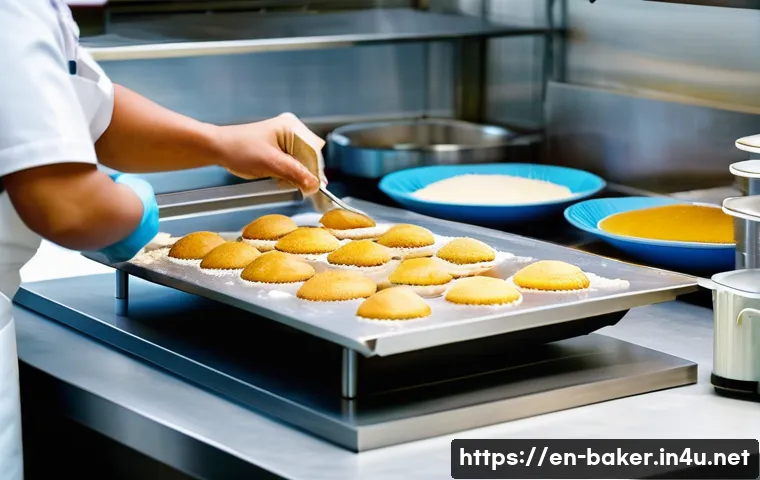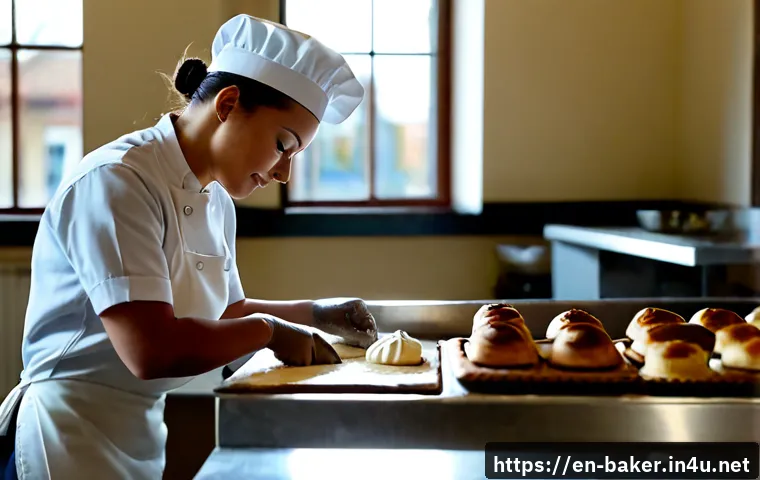
A baking and pastry career can be a good fit if you enjoy precise, hands-on work and can accept early shifts, physical tasks, and repetitive production.
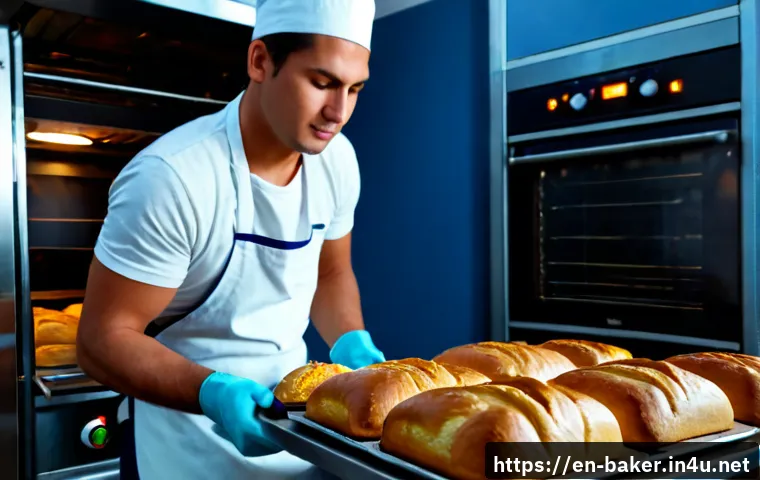
Paid training may be worth considering when it supports a clear goal, such as a specialty role or an employer that values formal culinary education. The work offers creative satisfaction because you produce something tangible every day.
However, the schedule and starting conditions can be very different across bakeries, restaurants, hotels, supermarkets, and production kitchens. Before paying culinary school tuition or buying professional baking tools, compare the training route with the kind of workplace you actually want.
A short job shadow or local employer conversation can reveal more than a course brochure alone.
At a Glance
- Creative reward: Baking and pastry work combines practical production with opportunities to specialize in bread, cakes, desserts, or chocolate.
- Main trade-off: Many roles involve early mornings, weekends, holidays, standing, lifting, heat, and repetitive movements.
- Training choice: On-the-job learning, apprenticeships, certificate programs, and culinary school can all be relevant depending on your target role.
| Entry Route | Time and Cost to Research | Hands-On Practice | Best Career Goal Fit |
|---|---|---|---|
| Workplace training | Ask the employer about training expectations, schedule, and required tools. | Usually tied directly to daily production work. | People who want real bakery experience before investing in tuition. |
| Apprenticeship | Compare local availability, entry requirements, and training structure. | Typically combines supervised work with skill development. | Those who want structured workplace learning. |
| Certificate program | Review tuition, equipment requirements, practical class time, and specialty focus. | Can provide focused practice in core baking or pastry skills. | Career changers or learners targeting a specific skill area. |
| Culinary school diploma or degree | Compare total culinary school tuition, supplies, schedule, and employer recognition. | May offer broader kitchen and pastry training. | People pursuing a defined professional pastry path or specialty employer. |
The Short Answer: When Baking and Pastry Work Is a Good Career Choice
Baking and pastry can be a satisfying career when you like accuracy, routine, practical skill-building, and visible daily results. A successful batch depends on ingredient measurement, timing, temperature, food safety, and quality control. That means the job suits people who enjoy working carefully, not only people who enjoy decorating cakes or creating new flavors.
Best suited to people who enjoy precise, hands-on production
Professional baking involves making the same product consistently, even when the pace is busy. If you enjoy following a process, noticing small differences, and improving through repetition, you may find that rewarding. Creativity matters, but dependable production matters too.
Main trade-off: creativity versus demanding schedules and physical work
The creative side may include bread styles, celebration cakes, plated desserts, chocolate work, or seasonal products. The trade-off is that many bakery jobs require early-morning, weekend, holiday, or shift-based work. You may also stand for long periods, lift ingredients or trays, and work near hot equipment.
When training investment may be worthwhile
A pastry certification program or culinary school program may make sense when it teaches skills connected to your intended job. For example, formal training may be more useful when you want a specialty pastry environment than when you simply need an entry-level bakery role. Before enrolling, ask local employers what they value: experience, a formal qualification, a portfolio, or a practical skills test.
The Benefits That Attract People to Professional Baking
Creative work with tangible daily results
Baking is hands-on work with a clear outcome. You can see whether dough, cakes, pastries, or desserts meet the expected standard. For people who prefer making physical products instead of spending all day at a desk, this can be a major advantage.
Transferable technical skills and multiple workplace options
Bakers and pastry professionals may work in retail bakeries, restaurants, hotels, catering businesses, supermarkets, and production facilities. The setting changes the pace and product range, but core skills such as measuring, timing, temperature control, sanitation, and consistency remain useful.
Opportunities to specialize in bread, cakes, plated desserts, or chocolate
A career can develop toward lead baker, pastry chef, bakery manager, product developer, instructor, or bakery owner. Specialization may help you focus your training and professional baking tools on the work you want to do. Still, a specialty interest should be tested in a real workplace when possible, since creative artisan work and high-volume production work can feel very different.
The Challenges to Consider Before You Commit
Early starts, weekend shifts, and holiday workloads
Many baking roles begin when customers are still asleep, especially where fresh products need to be ready early. Weekend and holiday work may also be part of the role. Ask about the actual shift pattern during interviews rather than assuming every bakery job follows the same schedule.
Physical demands, kitchen heat, and repetitive tasks
The work commonly includes standing, mixing, portioning, shaping, decorating, loading trays, and cleaning. Repetition is normal. Consider whether you are comfortable with a job that can involve physical activity, heat, equipment, and a fast production rhythm.
Why starting wages and career progression should be researched locally
Pay, hiring demand, progression, and workplace conditions vary by city, employer, experience level, and local regulations. Do not assume that culinary school tuition will automatically lead to a certain income or position. Compare local job listings, speak with employers, and ask what entry-level candidates are expected to know.
Compare Training Routes, Costs, and Career Value
Learning on the job versus an apprenticeship
On-the-job training can provide immediate exposure to production standards and workplace expectations. An apprenticeship may offer a more structured learning route while still connecting skills to real work. Either path can be useful if your priority is understanding the schedule and physical demands before making a larger education investment.
Certificate programs versus culinary school diplomas or degrees
A short certificate course may suit someone who wants focused baking or pastry instruction. A broader culinary school program may be more relevant for learners seeking extensive kitchen exposure or a defined professional pathway. A formal culinary qualification is not required for every role, so compare the course content with the requirements of employers you want to approach.

What to check before paying tuition or buying professional tools
Look beyond the program title. Review practical class time, food safety instruction, equipment access, specialty modules, work-placement options if offered, and total required purchases. For professional baking tools, check what a school or employer provides before buying mixers, molds, knives, scales, or decorating equipment on your own.
Choose the Work Setting That Matches Your Goals
Independent bakery, restaurant, hotel, supermarket, and production kitchen differences
An independent bakery may offer close contact with bread, cakes, and local customers. Restaurants and hotels may focus more heavily on plated desserts or pastry service. Supermarkets and production facilities may involve larger-volume, standardized output. None is automatically better; the right choice depends on whether you prefer artisan detail, service-driven desserts, customer-facing retail, or repeatable production.
Employee path versus self-employed bakery path
Starting as an employee can help you learn workflow, inventory, food costs, quality control, and customer expectations. Running a home-based or retail bakery adds responsibilities such as licensing, staffing, marketing, insurance, and inventory management. Owning a bakery does not guarantee higher earnings than employment.
Questions to ask during job shadowing or interviews
Ask what products are made from scratch, what the typical shift looks like, how much lifting is involved, and how new staff are trained. You can also ask whether the role is mainly production, decorating, finishing, customer service, or cleaning. These details help prevent a mismatch between the job you imagine and the job you will actually perform.
Choosing Your Training and Career Path: A Practical Comparison Summary
Choose lower-cost entry routes when you need real workplace exposure first
Workplace training or an apprenticeship may be the sensible first step if you are unsure about early starts, repetitive work, or the physical side of baking. Direct exposure can clarify whether you enjoy professional production before you commit to culinary school tuition.
Consider formal training when it supports a specific specialty or employer target
Formal pastry education may be a stronger fit when you want structured instruction in a specialty or are applying to workplaces that value a particular training background. Compare course schedules, practical training, required professional baking tools, and local employer expectations before deciding.
Final checklist for schedule, finances, physical demands, and long-term goals
Decide whether you can work early, weekends, or holidays. Consider whether you enjoy consistency as much as creativity. Identify your budget for tuition, supplies, and tools. Then choose a route that moves you toward your preferred setting: bakery, restaurant, hotel, supermarket, catering business, or production facility.
Selection Criteria and Comparison Summary
Before choosing a path, check work schedules, physical requirements, local tuition and program terms, employer training preferences, and the tools supplied by the program or workplace. If self-employment is your long-term goal, also research local licensing, insurance, inventory, staffing, marketing, and food-cost responsibilities. Compare official program details, equipment lists, and employer job requirements on the relevant pages before spending money.
Final Thoughts
A baking and pastry career can be practical, creative, and skill-based, but it is not only about beautiful desserts. The daily reality often includes careful repetition, physical work, strict timing, and nontraditional hours. The best route is usually the one that fits your schedule, finances, and preferred work environment. Test your interest through direct workplace exposure whenever possible, then invest in training with a clear purpose.
Useful Things to Know
1. Food safety, measurement, timing, temperature, and quality control are core professional skills.
2. A formal culinary qualification is not necessary for every bakery or pastry job.
3. High-volume production and artisan pastry work can require very different daily routines.
4. Career progression can lead beyond production roles into management, product development, teaching, or business ownership.
Important Considerations
Actual pay, job availability, tuition, licensing rules, and work conditions vary by location and employer. Training programs should be compared using current local information, not assumptions. A bakery ownership plan also requires separate research because self-employment adds operational and financial responsibilities beyond baking skill.
Frequently Asked Questions
Q1. Is baking and pastry a good career for someone who wants creative work?
A1. It can be, especially if you enjoy creating bread, cakes, desserts, or chocolate products. However, professional baking also requires consistent production, accurate measurement, food safety awareness, and repeated tasks. Creativity is one part of the work rather than the entire job.
Q2. Do I need culinary school to become a baker or pastry chef?
A2. No. Some people enter through workplace training, apprenticeships, or certificate programs. Culinary school may be useful for a specific specialty or employer target, but formal qualifications are not required for every baking or pastry role.
Q3. How can I compare culinary school costs with apprenticeship or on-the-job training options?
A3. Compare current tuition, supplies, required professional baking tools, practical class time, schedule, and the skills each route develops. Then compare those details with local employer requirements and your preferred work setting. The best value is the option that supports your actual career goal without adding unnecessary cost.